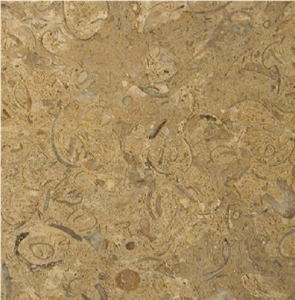
Brecha Tavira Rose Limestone is a distinctive brecciated limestone from the Tavira region in southern Portugal. Known for its striking color palette and dynamic pattern, this stone is primarily used in decorative and architectural applications.
Color Palette:
- Warm Rose
- Pink
- Beige
- Cream
- Terracotta
- Brown (as part of its inclusive spectrum from Mesquita, Sao Bras de Alportel, Faro, Algarve)
Pattern and Texture:
- Dynamic mosaic of angular fragments in contrasting shades
- The rose tones dominate, imparting a lively yet elegant aesthetic
- Natural and expressive texture with high visual variation from piece to piece
Physical and Mechanical Properties:
- Water Absorption: 0.62% by weight
- Density: 2713 kg/m³
- Flexural Strength: 16.4 MPa
- Compressive Strength: 92.0 - 126.1 MPa
- Hardness: Typically rated on the Mohs scale, though specific value not provided, it is generally in line with typical limestone hardness
- Porosity: Moderate, contributing to its unique texture
- Slip Resistance: Variable depending on finish, but generally suitable for interior applications
Chemical and Mineral Compositions:
- Exact chemical compositions can vary, but generally includes:
- Calcium Carbonate (CaCO₃): Predominantly 95%+
- Other Minerals: Silicates and minor impurities contributing to the unique coloration
Usage:
- Interior Applications: Flooring, wall cladding, decorative features
- Exterior Applications: Façade cladding (with proper sealing and maintenance)
- Furniture and Art: Used for crafting tables, countertops, and sculptures
Maintenance:
- Regular cleaning with neutral pH cleaners to maintain its appearance
- Sealing recommended especially in high-traffic or wet areas to prevent staining
- Avoiding acidic cleaners which can harm the limestone surface
Cutting Sizes (Common):
- Tiles: Common sizes include 30x30 cm, 30x60 cm, 60x60 cm, and custom sizes upon request
- Slabs: Typically 2 cm or 3 cm in thickness, with custom sizes available
Available Common Surface Finish Options:
- Polished: Smooth, glossy finish for a sophisticated look
- Honed: Matte finish for a more understated appearance
- Brushed: Textured surface providing a rustic feel
- Antiqued: Weathered look for vintage style applications
- Sandblasted: Uniform texture, enhancing slip resistance
Brecha Tavira Rose Limestone is celebrated for its vibrant hues and adaptable nature, suitable for a range of design contexts, from contemporary interiors to classic architectural restorations. Its intrinsic properties make it a desirable material among designers and architects who value both aesthetics and functionality.


 Portugal


 Italy

 France

 Spain

 United Kingdom

 Lebanon

 Norway

 Croatia

 Bulgaria

 China

