Post Your Needs

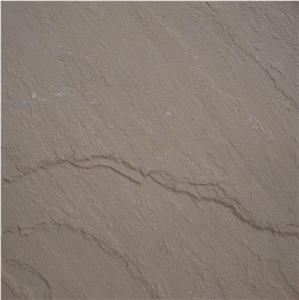
Bretagna Brown Sandstone

Brown - Sandstone

Spain

About

Item Details

Material Type:
Sandstone
Origin:
Spain
Primary Color(s):
Brown
Recommended Usage:
monuments, building stone, ornamental stone, stairs, interior, exterior wall and floor applications, mosaic, wall panels, reliefs, window sills, balustrades, columns, wall and pool copings, pool pavers, sculptures, fireplaces, cobbles, pavers, curbstone
Additional Names:
Arenisca Bretagna Marron, Bretagna Brown Sandstone
Finished Surface:
Bush Hammered,Tumbled,Brushed,Honed,Split,Machine Cut,Natural Surface,Sandblasted,Acid Washing,Combed,Leathered,Water Jet,Filled,Chiseled,Pickling

Testing

Density:
2350 - 2450 kg/m³
Flexural Strength:
6 - 10 MPa
Compressive Strength:
50 - 70 MPa
Stone texture:
a warm, earthy natural stone characterized by a light to medium brown base with subtle grey-brown tonal variations and occasional soft beige undertones. Its appearance is naturally rustic and consistent yet slightly variegated, giving it a refined but organic aesthetic suitable for architectural cladding and paving applications. The stone typically presents a fine-grained sedimentary structure with well-compacted quartz and carbonate particles, showing slight directional alignment in its natural bedding. Its texture is porous but dense in formation, with a compact granular structure that allows both smooth and textured finishes while maintaining durability and a natural, slightly tactile surface character

Description

Bretagna Brown Sandstone is a warm, earthy natural stone quarried in Spain, recognized for its light to medium brown base with grey-brown tonal variations and soft beige undertones. Its naturally rustic yet refined aesthetic makes it an excellent choice for architectural cladding and paving applications. It features a fine-grained sedimentary structure, with well-compacted quartz and carbonate particles and a slightly directional alignment in its natural bedding.

Physical and Mechanical Properties

  • Water Absorption: Typically low, which is beneficial for outdoor applications where resistance to water ingress is essential.
  • Density: Approximately 2,350 - 2,450 kg/m³, indicating a moderately dense composition that is supportive in structural uses.
  • Flexural Strength: Generally measured around 6 - 10 MPa, reflecting its ability to resist bending forces.
  • Compressive Strength: Approximately 50 - 70 MPa, indicative of its strength and durability under weight-bearing conditions.
  • Hardness: Ranges between 3 and 4 on the Mohs scale, providing an insight into scratch resistance.
  • Porosity: Typically moderate, allowing breathability while maintaining structural integrity.
  • Slip Resistance: High in unpolished formats, making it suitable for flooring in wet conditions.

Chemical and Mineral Composition (% by Weight)

  • Quartz: 60% - Known for its hardness and chemical resistance.
  • Carbonate (Calcite/Dolomite): 20% - Provides binding and cementing properties.
  • Clay Minerals: 10% - Adds to structure and porosity.
  • Iron Oxides: 5% - Confers the distinctive brown tones.
  • Others (e.g., Feldspar, Silt): 5%

Usage and Applications

  • Architectural Cladding: Its refined rustic appearance makes it ideal for facades and decorative walls.
  • Paving and Flooring: Suitable for both indoor and outdoor use due to its durability and slip resistance.
  • Pathways and Garden Features: Its natural look enhances landscaping designs.
  • Interior Applications: Including feature walls, fireplaces, and accent pieces due to its aesthetic appeal.

Maintenance

  • Regular Cleaning: Use water and a mild detergent to maintain the stone’s appearance; avoid harsh chemicals that can erode the surface.
  • Sealing: Recommended to prevent staining and moisture ingress; should be applied every 1-2 years depending on exposure conditions.
  • Repair: Minor chips and scratches can be professionally polished out; significant damage may require replacement sections.

Cutting Sizes and Surface Finishes

Cutting Sizes (cm): Customizable, commonly available in tiles and slabs of sizes 30x30, 30x60, 60x60, 60x90, and larger.

Surface Finishes:

  • Honed: Smooth and matte, suitable for indoor applications.
  • Polished: Creates a glossy, reflective surface for walls and interior floors.
  • Bush-Hammered: Textured for enhanced slip resistance, ideal for outdoor paving.
  • Sandblasted: A slightly rough surface providing both aesthetic and functional properties.

Bretagna Brown Sandstone offers a combination of durability, aesthetic warmth, and versatile applications suited for both interior and exterior use. With proper maintenance and care, it remains a beautiful and functional choice for architectural and paving projects.

FAQ

Can Spain's Bretagna Brown Sandstone be used in wall coverings?

Yes, Spains Bretagna Brown Sandstone can be used in wall coverings. Sandstone is a durable and versatile material that can be cut into tiles or slabs suitable for wall applications. It offers a natural and rustic look, making it a popular choice for both interior and exterior wall coverings. The unique variations in color and texture found in Bretagna Brown Sandstone can add character and warmth to any space.

Can Spain's Bretagna Brown Sandstone be used in a kitchen?

Yes, Spains Bretagna Brown Sandstone can be used in a kitchen. Sandstone is a durable and heat-resistant material, making it suitable for kitchen countertops, backsplashes, and flooring. It is also easy to clean and maintain, which is an important consideration for kitchen surfaces. However, it is always recommended to consult with a professional kitchen designer or architect to ensure that the stone is properly sealed and installed for optimal performance in a kitchen environment.

Can Spain's Bretagna Brown Sandstone be used exterior applications in very humid climates?

Spains Bretagna Brown Sandstone can be used for exterior applications in very humid climates, but it is important to take into consideration the specific conditions of the area and its maintenance requirements. Bretagna Brown Sandstone is a natural stone, which is generally durable and can withstand various weather conditions. However, in very humid climates, there are a few factors to consider: 1. Moisture Absorption: Sandstone is a porous material, which means it can absorb moisture. In a humid climate with high levels of rainfall or humidity, the stone may be prone to moisture absorption. This can lead to the growth of algae or mold, especially in shaded or damp areas. Regular cleaning and maintenance may be required to prevent this. 2. Sealing: It is recommended to seal the sandstone to reduce its porosity and enhance its resistance to moisture absorption. A good quality sealer can minimize the water penetration and protect the stone from humidity-related issues. However, even with sealing, periodic resealing may be necessary to maintain its effectiveness. 3. Durability: While sandstone is generally durable, it is important to note that different types and qualities of sandstone may have varying levels of resistance to weathering in humid climates. It is advisable to choose a high-quality and weather-resistant grade of Bretagna Brown Sandstone to ensure its suitability for humid conditions. 4. Maintenance: Regular maintenance is crucial to prevent the growth of algae, moss, or dirt buildup on the stone. This includes cleaning the surfaces and ensuring proper drainage to avoid water pooling. Considering these factors, it is possible to use Spains Bretagna Brown Sandstone for exterior applications in very humid climates. However, proper sealing, maintenance, and choosing a high-quality grade of sandstone are essential for its long-term performance in such conditions. Consulting with a professional stone supplier or contractor experienced in working with sandstone in humid environments can provide more specific guidance for your particular project.

How thick is Spain's Bretagna Brown Sandstone slabs?

I apologize, but I couldnt find any specific information regarding the thickness of Spains Bretagna Brown Sandstone slabs. It is recommended to contact a supplier or manufacturer directly for accurate details on the thickness of this particular type of stone slab.

Are there color variations of Spain's Bretagna Brown Sandstone?

Yes, there can be some variations in color of Spains Bretagna Brown Sandstone. As a natural stone, Bretagna Brown Sandstone can exhibit variations in shades of brown, ranging from light to dark tones. The specific variation in color can depend on factors such as the quarry it is sourced from and the specific batch of stone. It is advisable to view samples or images of the specific stone being sourced to get a better idea of the color variations.

Is Spain's Bretagna Brown Sandstone an expensive stone?

I do not have access to the current market prices of building materials, but Bretagna Brown Sandstone from Spain is generally considered a mid-range priced stone. The cost will be influenced by various factors such as size, thickness, finish, transportation, and availability. It is best to seek advice from a knowledgeable stone supplier or contractor to get an accurate estimate for your specific project.

Products & Prices

Hot Brown Sandstone

New Sandstone

Post Your Request

The request includes:
  1. surface finished, size
  2. quantity required