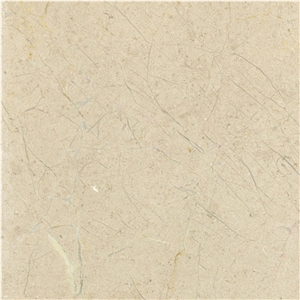
Bursa Light Beige Marble, also known as Bursa Açık Bej Fossil Marble, is an elegant natural beige marble quarried in the Korubaşı–Nilüfer, Gündoğdu, and Çördük–Mustafakemalpaşa areas of Bursa Province, northwestern Türkiye. It features a soft, light creamy beige to warm ivory background, subtle cloudy formations, delicate fossil markings, and occasional fine white or pale beige calcite veins. Its relatively homogeneous appearance, warm neutral color palette, compact structure, and excellent polishing ability make it particularly suitable for both classical and contemporary architectural applications.
Color & Appearance
-
Base Color: Light creamy beige to warm ivory.
-
Secondary Colors: Pale sand, soft cream, and subtle light brown undertones.
-
Veining: Fine, irregular white or pale beige calcite veins.
-
Pattern: Relatively homogeneous background with subtle cloudy formations, occasional fossil markings, and gentle tonal transitions.
-
Overall Appearance: Bright, warm, elegant, and sophisticated.
Texture & Structure
-
Grain Size: Fine-grained to fine-to-medium-grained.
-
Texture: Compact, dense, and relatively homogeneous carbonate structure.
-
Structure: Predominantly calcitic, with occasional fossil remnants and mineral-filled veins.
-
Polishing Ability: Excellent, producing a smooth, glossy surface that enhances its natural creamy tones.
-
Surface Finish Options: Polished, honed, brushed, tumbled, leathered, sandblasted, bush-hammered, and machine-cut.
Technical Characteristics & Test Results
-
Water Absorption: 0.128% by weight.
-
-
Flexural Strength: 14.5 MPa.
-
Compressive Strength: 141.8–146.3 MPa.
-
Mohs Hardness: Approximately 3–4 (estimated).
-
Porosity: Relatively low, consistent with its low water absorption.
-
Abrasion Resistance: Generally good.
-
Acid Resistance: Limited due to its carbonate mineral composition.
-
Durability: High compressive strength, good flexural strength, and low water absorption make it suitable for a wide range of architectural applications.
Chemical & Mineralogical Composition
Mineralogical Composition (% by weight – indicative):
-
-
-
-
Clay minerals, iron oxides, and other accessory minerals: Minor amounts.
Chemical Composition (% by weight – illustrative estimate):
-
Calcium Oxide (CaO): 53.50%
-
Magnesium Oxide (MgO): 0.80%
-
Silicon Dioxide (SiO₂): 1.50%
-
Aluminum Oxide (Al₂O₃): 0.30%
-
Iron Oxide (Fe₂O₃): 0.20%
-
Potassium Oxide (K₂O): 0.10%
-
Sodium Oxide (Na₂O): 0.05%
-
Titanium Dioxide (TiO₂): 0.05%
-
Loss on Ignition (LOI): 43.50%
Quarry Origin
-
Korubaşı: Nilüfer, Bursa, Türkiye.
-
Gündoğdu Village: Bursa, Türkiye.
-
Çördük: Mustafakemalpaşa, Bursa, Türkiye.
-
Geographical Region: Marmara Region, northwestern Türkiye.
Usage & Applications
-
Interior flooring and wall cladding
-
Kitchen countertops and bathroom vanity tops
-
Bathroom and shower wall coverings
-
Staircases, steps, and risers
-
Window sills and door surrounds
-
Fireplace surrounds and mantels
-
Reception desks and tabletops
-
Decorative wall panels and furniture surfaces
-
Columns, balustrades, and ornamental stonework
-
Mosaics and waterjet decorative inlays
-
Swimming pool coping and surrounds
-
Exterior facades and architectural cladding
-
Patios, terraces, and outdoor paving
-
Luxury residential, commercial, hospitality, and public building projects
For exterior applications, frost resistance and slip resistance should be evaluated according to local climatic conditions and the selected surface finish.
Maintenance & Care
-
Clean regularly using a soft cloth and pH-neutral natural stone cleaner.
-
Apply a suitable penetrating marble sealer periodically to minimize staining and moisture penetration.
-
Avoid acidic substances, including vinegar, lemon juice, and aggressive chemical cleaners.
-
Remove spills promptly, particularly coffee, wine, oils, and colored liquids.
-
Use cutting boards, coasters, and heat-resistant protective pads on countertops.
-
Avoid abrasive cleaning products and rough scrubbing materials.
-
Ensure proper drainage and suitable installation methods for exterior applications.
-
Professional repolishing can restore the original surface gloss when necessary.


 Turkey

 7YR

 China


 Spain


 Italy

 Oman

 Egypt


 Greece

 Iran


