Post Your Needs

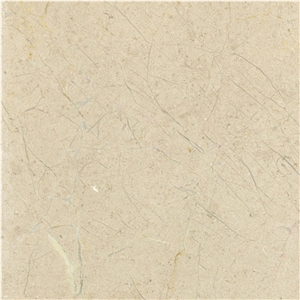
Ceppo Romano Marble

Beige - Marble

Italy

About

Item Details

Material Type:
Marble
Origin:
Italy (Central Italy)
Primary Color(s):
Beige
Recommended Usage:
kitchen and bathroom countertops, stairs, building stone, ornamental stone, interior, exterior wall applications, mosaic, waterjet pattern
Additional Names:
Ceppo Romano Antico, Ceppo Romano Marble
Finished Surface:
Polished,Bush Hammered,Tumbled,Brushed,Honed,Split,Machine Cut,Natural Surface,Sandblasted,Acid Washing,Combed,Leathered,Water Jet,Filled,Chiseled,Pickling

Testing

Water Absorption:
0.15% - 0.30%
Density:
2700 - 2710 kg/m³
Flexural Strength:
12 - 15 MPa
Compressive Strength:
105 - 120 MPa
Stone texture:
lovely sandy beige breccia stone, made up of irregular pieces of rock with different shapes and gravels distinguishable

Description

Ceppo Romano Marble, known for its distinctive aesthetic appeal, is a type of breccia marble that showcases a sandy beige color with a unique composition of irregular rock pieces and gravels. Quarried in Central Italy, it is highly esteemed for its natural beauty and versatility in architectural and interior design. Below is a detailed overview of its properties, composition, and uses:

Physical and Mechanical Properties

  • Water Absorption: Typically low, around 0.15% to 0.30%, which enhances its durability.

  • Density: Approximately 2,700 - 2,710 kg/m³. This reflects its solid composition.

  • Flexural Strength: Ranges from 12 to 15 MPa, indicating good resistance to bending and cracking under stress.

  • Compressive Strength: Usually between 105 and 120 MPa, making it a robust material for structural applications.

  • Hardness: Measures at about 3 to 4 on the Mohs scale, which is typical for marble, offering both workability and resistance.

  • Porosity: Generally low, at 0.3% to 1.0%, contributing to its durability and resistance to water infiltration.

  • Slip Resistance: Slip resistance varies based on the surface finish. Honed surfaces have moderate slip resistance, while polished surfaces have lower slip resistance.

Chemical and Mineral Composition (Approximate % by weight)

  • Calcium Carbonate (CaCO3): Predominantly around 90-95%.

  • Silica (SiO2): Typically 2-5%, depending on the specific quarry.

  • Alumina (Al2O3): Approximately 1-3%.

  • Iron Oxides (Fe2O3): Generally around 1-2%, contributing to its coloration.

  • Other Minerals: Trace amounts of magnesium, phosphorus, and potassium oxides.

Usage

  • Interior Applications: Ideal for flooring, wall cladding, kitchen countertops, bathroom vanities, and decorative features due to its aesthetic appeal.

  • Exterior Applications: Due to its durability, it’s used for facades, outdoor flooring, and columns, though it requires sealing to prevent weathering.

  • Architectural Details: Suitable for intricate carving, moldings, and artistic features.

Maintenance

  • Regular cleaning with mild, pH-neutral cleaners to preserve its appearance.
  • Sealing is recommended every 1-2 years to protect against stains and moisture.
  • Avoid acidic or abrasive cleaners to prevent etching and scratching.

Cutting Sizes

  • Typical slab sizes are available in thicknesses of 2 cm or 3 cm.
  • Custom sizes can be cut to suit specific project requirements.

Common Surface Finish Options

  • Polished: Offers a high-gloss finish that enhances color and veining but requires more maintenance to prevent scratching.

  • Honed: Provides a smooth, matte finish with moderate slip resistance, suitable for most interior applications.

  • Brushed: Features a textured finish that increases slip resistance, ideal for flooring applications.

  • Tumbled: Offers an aged, rustic look suitable for various design aesthetics.

Ceppo Romano Marble remains a popular choice across a range of architectural and design applications due to its distinctive appearance, durability, and the elegance it brings to any project. Its maintenance, usability, and the variety of finishes available make it a versatile material for both traditional and contemporary spaces.

FAQ

Are there color variations of Italy's Ceppo Romano Marble?

Yes, there can be variations in the color of Italys Ceppo Romano marble. The base color of Ceppo Romano marble is typically gray, but it can have different shades of gray, ranging from light gray to dark gray. Some slabs or blocks may also have hints of brown or beige tones. The presence of these color variations depends on the specific quarry and the different mineral deposits found within the marble.

What is the coefficient of friction of Pickled Italy's Ceppo Romano Marble tiles?

The coefficient of friction of Pickled Italys Ceppo Romano Marble tiles can vary depending on several factors such as the type of finish applied to the tiles, the surface conditions, and the testing method used to determine the coefficient of friction. It is recommended to consult the manufacturer or supplier of the tiles for the specific coefficient of friction value for their product.

Can Italy's Ceppo Romano Marble be used exterior applications in very rainy climates?

Italys Ceppo Romano Marble is generally suitable for exterior applications in rainy climates. However, it is important to note that no natural stone is completely impervious to water, and prolonged exposure to moisture can cause some degree of wear or damage over time. To ensure the durability of Ceppo Romano Marble in rainy climates, proper sealing and regular maintenance are necessary. Sealing the marble with a water-repellent sealer will help to protect it from moisture penetration and reduce the risk of staining. This should be done before installation, and the sealer may need to be reapplied periodically depending on the level of exposure and wear. Regular cleaning and maintenance are also important to prevent the buildup of dirt, algae, or other organic matter that could further facilitate moisture retention and damage. Gentle cleaning with a mild soapy solution and regular rinsing can help to keep the marble in good condition. While Ceppo Romano Marble is generally suitable for exterior use in rainy climates, it is essential to consult with a stone professional or supplier for specific recommendations and to ensure that the marble is properly installed and maintained for optimal performance and longevity.

Can Italy's Ceppo Romano Marble be used in a office?

Yes, Italys Ceppo Romano Marble can be used in an office. Ceppo Romano Marble is known for its unique appearance, characterized by grey tones and small limestone and basalt inclusions. It is a popular choice for various applications, including countertops, flooring, and wall cladding. In an office setting, Ceppo Romano Marble can be used for reception desks, conference tables, flooring, and accent walls, adding a touch of elegance and sophistication to the space.

What grade is Italy's Ceppo Romano Marble?

The Ceppo Romano marble from Italy is typically regarded as a high-grade marble. It is highly sought after for its unique and distinctive appearance, characterized by its cream color with irregular dark gray, blue, or brown veins. It is commonly used in luxury buildings, interior design, and high-end architectural projects.

Can Italy's Ceppo Romano Marble be used in heavy use areas?

Yes, Ceppo Romano Marble can be used in heavy use areas. It is a durable and hard-wearing natural stone that is resistant to scratches, stains, and extreme temperatures. However, it is important to properly maintain and seal the marble to ensure its longevity and prevent damage from heavy usage.

How thick is Italy's Ceppo Romano Marble slabs?

The thickness of Ceppo Romano marble slabs can vary, but the standard thickness for most natural stone slabs is 2 centimeters (3/4 inch) or 3 centimeters (1 1/4 inches). However, thicker slabs can also be cut upon request.

Can Italy's Ceppo Romano Marble be used outdoors?

Yes, Ceppo Romano Marble can be used outdoors. It is a durable and weather-resistant natural stone that can withstand harsh weather conditions and is commonly used for outdoor paving, cladding, and landscaping. However, it is important to note that proper installation and maintenance are crucial to ensuring the longevity and aesthetic appeal of the marble.

Is Italy's Ceppo Romano Marble an expensive stone?

I do not have access to the current market prices of Ceppo Romano Marble. However, the cost of Ceppo Romano Marble depends on various factors such as quality, size, and availability. Generally, marble is considered an expensive stone due to its rarity and the labor-intensive process of extraction and processing.

Products & Prices

View More

Hot Beige Marble

New Marble

Post Your Request

The request includes:
  1. surface finished, size
  2. quantity required