


 Turkey
Can Turkey's Champagne Onyx be used exterior applications in cold climates?
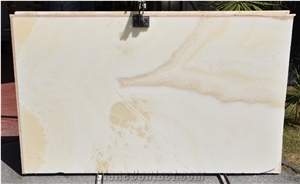
Turkeys Champagne Onyx is a type of onyx that is known for its golden hues and luxurious appearance. However, it is important to consider a few factors before using it in exterior applications in cold climates.
1. Temperature Changes: Onyx is a natural stone that can be sensitive to extreme temperature changes. In cold climates, the expansion and contraction of the stone due to freeze-thaw cycles can cause cracking or damage. It is crucial to ensure that the Champagne Onyx is properly sealed and protected from moisture penetration.
2. Porosity: Onyx is a porous stone, meaning it can absorb water and other liquids when not adequately sealed. In cold climates, water can freeze within the stone, leading to internal pressure and potentially causing cracks. It is vital to select a high-quality, impregnating sealer suitable for exterior use and reseal the stone periodically.
3. Durability: While Champagne Onyx is renowned for its beauty, it may not be as durable as other natural stones like granite or quartzite. Its softer nature makes it more susceptible to scratching and wear over time. In exterior applications, it may be more prone to damage from weather elements like hail, storms, or heavy snowfall.
Ultimately, using Champagne Onyx in exterior applications in cold climates may pose some risks. It is crucial to consult with a stone expert or a professional installer who has experience with this specific stone and its suitability for your climate conditions. They can provide guidance on proper installation, sealing, and maintenance to ensure the best possible outcome.
 4YR

 Italy
 United States
 China

 Spain


 Iran



 Greece


 Kyrgyzstan

 India
