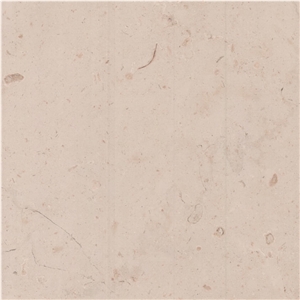
Chianca Albanese Limestone is a fine-grained, durable limestone quarried in Berat, Albania. It is known for its high-grade quality and appealing light ivory creamy beige color, making it a popular choice for various architectural and design projects.
Physical and Mechanical Properties:
-
Water Absorption: Typically around 1-3%, indicating a low level of porosity which contributes to its durability and suitability for various applications.
-
Density: Approximately 2.63 – 2.69 g/cm³, which is typical for limestone and contributes to its substantial and dense nature.
-
Flexural Strength: Approximately 7-10 MPa, indicating good resistance to bending and stress.
-
Compressive Strength: Approximately 80-110 MPa, suggesting robustness for load-bearing applications.
-
Hardness: Generally ranks medium on the Mohs hardness scale, indicating moderate resistance to abrasion.
-
Porosity: Typically low, around 2-5%, which makes it relatively impervious to water and weathering.
-
Slip Resistance: This depends on the finish, with honed surfaces having lower slip resistance compared to textured finishes. This can be enhanced by specific finishing techniques or treatments.
Chemical and Mineral Composition:
The exact chemical composition can vary slightly based on the specific quarry location, but typical values might include:
- Calcium Carbonate (CaCO₃): 90-95%, which is the main component of limestone.
- Magnesium Carbonate (MgCO₃): 1-3%.
- Silica (SiO₂): 1-2%.
- Alumina (Al₂O₃): less than 1%.
- Iron Oxides (Fe₂O₃): less than 1%.
Usage:
Chianca Albanese Limestone is frequently used in:
- Architectural Projects: Facades, cladding, and ornamental features.
- Interior Design: Flooring, walls, and countertops.
- Landscaping: Paving, garden features, and retaining walls.
- Monumental and Restoration Work: Due to its historical aesthetic and durability.
Maintenance:
To maintain the appearance and longevity of Chianca Albanese Limestone:
- Regular Cleaning: With pH-neutral cleaners to avoid etching.
- Sealant Application: Periodic sealing to enhance water and stain resistance.
- Avoid Acidic Substances: To prevent surface damage and staining.
Cutting Sizes:
Chianca Albanese Limestone is available in various sizes based on specific project requirements. Common cutting dimensions include:
- Tiles: 30x30 cm, 60x30 cm, 60x60 cm.
- Slabs: 2 cm and 3 cm thicknesses, often customized for larger projects.
Common Surface Finish Options:
- Polished: For a glossy, reflective surface highlighting the stone's color and patterns.
- Honed: A smooth, matte finish providing a more subtle, understated look.
- Brushed/Antique: For a textured, aged appearance with enhanced slip resistance.
- Bush-Hammered: A rugged, slip-resistant finish often used for outdoor applications.
- Sandblasted: Offering a softly textured surface that diffuses light and reduces glare.
Chianca Albanese Limestone is a versatile material that combines aesthetics with practicality, making it an excellent choice for both traditional and contemporary design projects.


 Albania


 Italy
 Saudi Arabia

 Germany

 Spain

 Portugal


 Norway

 Croatia

 Bulgaria

 China

 France
