Post Your Needs

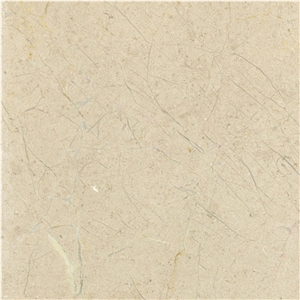
Classic Caribbean Marfil Marble

Beige - Marble

Dominican Republic

About

Item Details

Material Type:
Marble
Origin:
Dominican Republic (San Cristóbal de las Casas)
Primary Color(s):
Beige
Recommended Usage:
Building stone,countertops, sinks, monuments, pool coping, sills, ornamental stone, interior, exterior, wall, floor , paving
Additional Names:
Marfil Caribe Clasico Marmol, Crema Marfil San Cristobal Marble, Classico Caribbean Marfil Marble, Caribbean Crema Marfil Marble, Classic Caribbean Marfil Marble
Finished Surface:
Polished, Sawn Cut, Sanded, Rockfaced, Sandblasted, Tumbled

Description

Classic Caribbean Marfil Marble is a kind of beige marble quarried in Dominican Republic. This stone is especially good for Building stone,countertops, sinks, monuments, pool coping, sills, ornamental stone, interior, exterior, wall, floor , paving and other design projects. It also called Marfil Caribe Clasico Marmol,Crema Marfil San Cristobal Marble,Classico Caribbean Marfil Marble,Caribbean Crema Marfil Marble . Classic Caribbean Marfil Marble can be processed into Polished, Sawn Cut, Sanded, Rockfaced, Sandblasted, Tumbled and so on.

FAQ

What is the best height for a Classic Caribbean Marfil Marble balcony balustrade?

The ideal height for a Classic Caribbean Marfil Marble balcony balustrade is typically between 36-42 inches. This height provides optimum safety and security for those using the balcony while also maintaining an aesthetically pleasing look. It is important to consult local building codes and regulations to ensure the balustrade meets all necessary requirements.

What is the difference between a Classic Caribbean Marfil Marble baluster and a balustrade?

A Classic Caribbean Marfil Marble baluster refers to a single column or post used to support a railing, typically made of marble. It is a decorative element used in architecture and design to provide support and elegance to a staircase or balcony. A balustrade, on the other hand, refers to a row of balusters connected by a railing at the top. It is a complete structure consisting of multiple balusters and a railing, typically used to enclose a staircase, balcony, or terrace. In other words, a balustrade is a system of balusters and handrails that together form a protective and decorative barrier.

What is the best material for Classic Caribbean Marfil Marble stair nosing?

The best material for Classic Caribbean Marfil Marble stair nosing would be the same marble material that is used for the stairs themselves. This ensures a seamless and cohesive look throughout the staircase and prevents any potential mismatched colors or textures. Marfil Marble is a popular choice for stairs due to its elegance, durability, and timeless beauty.

What is the purpose of Classic Caribbean Marfil Marble stair nosing?

The purpose of Classic Caribbean Marfil Marble stair nosing is to provide a finished edge and added protection to stairs made of marble. Stair nosing helps prevent the edges of the stairs from wearing down and becoming damaged over time. It also enhances the appearance of the stairs, creating a clean and polished look. Additionally, stair nosing can improve safety by providing a more defined edge that helps prevent slips and falls.

Can you put a runner on Classic Caribbean Marfil Marble stairs?

Yes, it is possible to put a runner on Classic Caribbean Marfil Marble stairs. However, it is important to take certain precautions to protect the marble from scratches or damage. One option is to use a non-slip rug pad underneath the runner to prevent it from shifting and causing scratches on the marble surface. Additionally, regular cleaning and maintenance of the marble stairs will help to ensure that they remain in good condition.

Is 2cm thick Classic Caribbean Marfil Marble a good countertop for a bathroom?

Classic Caribbean Marfil Marble is a beautiful and elegant material that can make a stunning countertop for a bathroom. However, at 2cm thick, it may not be the most durable option for a high-traffic area like a bathroom, where countertops are subject to frequent use and exposure to moisture. Thicker marble countertops (typically 3cm) are generally recommended for bathrooms to provide more stability and durability. Thinner countertops may be more susceptible to chipping, cracking, and damage over time. If you still prefer the look of Classic Caribbean Marfil Marble for your bathroom countertop, you may want to consider having it installed at a 3cm thickness or adding additional support to ensure its longevity and durability in the space. Additionally, proper sealing and maintenance will be important to protect the marble from stains and damage in a bathroom setting.

How thick is a Classic Caribbean Marfil Marble vanity top?

A Classic Caribbean Marfil Marble vanity top is typically around 1.5 inches thick. However, thickness can vary depending on the manufacturer and specific design of the vanity top. It is always best to check with the supplier for the exact measurements of the product you are interested in.

Is Classic Caribbean Marfil Marble ok for shower walls?

It is not recommended to use Classic Caribbean Marfil Marble for shower walls as marble is a porous material that can easily absorb water and become stained or damaged over time. It is better to choose a non-porous material such as porcelain or ceramic tile for shower walls to ensure longevity and durability.

Is Classic Caribbean Marfil Marble mosaic flooring slippery for bathroom use?

Marble flooring, including Classic Caribbean Marfil Marble, can be slippery when wet, especially in a bathroom setting where water is often present. It is important to ensure that proper precautions are taken to prevent slips and falls, such as using bath mats or rugs with non-slip backing, installing grab bars, and keeping the floor dry. Additionally, sealing the marble regularly can help improve traction and reduce the risk of slipping.

Does the surface of Classic Caribbean Marfil Marble scratch easily?

Marble is a relatively soft stone, so it is possible for the surface of Classic Caribbean Marfil Marble to scratch easily if not properly cared for. It is important to regularly clean and maintain the marble surface, avoid dragging heavy objects across it, and use coasters or trivets to protect against scratches from items such as dishes or pots. Applying a sealant can also help to provide some protection against scratching.

Products & Prices

Hot Beige Marble

New Marble

Post Your Request

The request includes:
  1. surface finished, size
  2. quantity required