Post Your Needs

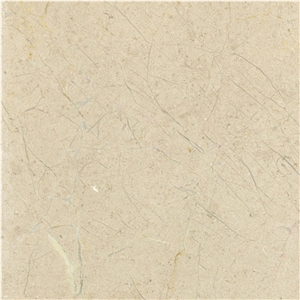
Corinthian Beige First Marble

Beige - Marble

Greece

About

Item Details

Material Type:
Marble
Origin:
Greece (Corinthia, Peloponnese)
Primary Color(s):
Beige
Recommended Usage:
kitchen and bathroom countertops, wash basins, building stone, ornamental stone, stairs, interior, exterior wall and floor applications, mosaic, waterjet pattern, wall panels, table tops, balustrades, columns, wall and pool copings, pool pavers, sculptures, fireplaces, window sills
Additional Names:
Corinthian Beige Marble, Corinthian Beige Nature Marble, Corinthian Beige Extra Marble, Corinthian Beige First, Corinthian Beige First Marble
Finished Surface:
Polished,Bush Hammered,Tumbled,Brushed,Honed,Split,Machine Cut,Natural Surface,Sandblasted,Combed,Leathered,Water Jet,Filled,Chiseled,Pickling

Testing

Water Absorption:
0.1% wt.
Density:
2700 kg/m³
Flexural Strength:
16.7 MPa
Compressive Strength:
137 MPa

Description

Corinthian Beige First Marble, quarried in Corinthia, Peloponnese, Greece, is a distinguished natural stone featuring a warm khaki-beige to light creamy beige background. The marble is enriched with subtle cream tones and fine streak-like variations that create a gentle, elegant flow across its surface, devoid of strong contrasts or bold veining. Its serene and timeless aesthetic makes it an ideal choice for various architectural and interior design applications.

Physical and Mechanical Properties:

  • Apparent Density (EN 1936): 2700 kg/m³
  • Open Porosity (EN 1936): 0.3 % (vol.)
  • Water Absorption (EN 13755): 0.1 % (wt.)
  • Compressive Strength (EN 1926): 137 MPa
  • Flexural Strength (EN 12372): 16.7 MPa
  • Breaking Load at Dowel Hole (EN 13364): 2200 N
  • Abrasion Resistance (EN 14157): 10,395 mm³
  • Rupture Energy (EN 14158): 3 J
  • Frost Resistance (EN 12371 & EN 12372): 15.8 MPa
  • Hardness: Typically around 3 on the Mohs scale
  • Porosity: Low, contributing to its durability and resistance to staining
  • Slip Resistance: Moderate, dependent on finish

Chemical and Mineral Composition (% by weight):

Mineralogical Composition

  • Calcite: 96%
  • Dolomite: 3%
  • Quartz: 1%

Chemical Composition (% by Weight)

  • CaO: 55.00%
  • LOI (Loss on Ignition): 43.70%
  • SiO₂: 0.30%
  • Al₂O₃: 0.15%
  • Fe₂O₃: 0.15%
  • MgO: 0.50%
  • MnO: 0.01%
  • TiO₂: 0.01%
  • K₂O: 0.01%
  • Na₂O: 0.01%

Usage:

  • Suitable for both interior and exterior applications
  • Commonly used in flooring, wall cladding, countertops, bathroom vanities, and decorative elements.
  • Popular choice for residential and commercial spaces due to its warm, neutral tones.

Maintenance:

  • Regular cleaning with pH-neutral, non-abrasive cleaners is recommended.
  • Periodic sealing may be required to maintain its appearance and protect against stains, especially in high-traffic or moisture-prone areas.
  • Avoid harsh chemicals and acidic cleaners to prevent surface etching.

Cutting Sizes (cm):

  • Typically available in standard tile sizes: 30x30, 30x60, 40x40, 60x60
  • Slabs are generally cut to custom specifications for countertops and large surface areas.

Available Common Surface Finish Options:

  • Polished: For a high-gloss, reflective finish that enhances color and pattern.
  • Honed: Offers a matte, smooth surface that's less reflective.
  • Brushed: Provides a textured finish that adds slip resistance and natural look.
  • Sandblasted: For a rougher texture, adding slip resistance and a rustic appeal.
  • Antiqued: To create a worn, aged look that highlights natural variances.

This marble's classical aesthetics combined with its mechanical strength make Corinthian Beige First Marble a versatile and durable option for various design styles and architectural applications. Proper care and maintenance ensure that it remains a beautiful and long-lasting feature in any space.

FAQ

Can Greece's Corinthian Beige First Marble be used in a bathroom?

Yes, Greeces Corinthian Beige First Marble can be used in a bathroom. Marble is a popular choice for bathroom surfaces due to its elegance and durability. However, it is important to note that marble is a natural stone and requires proper maintenance and sealing to prevent stains or etching from exposure to water and chemicals commonly found in bathrooms. Regular cleaning and sealing can help maintain the beauty of Corinthian Beige First Marble in a bathroom setting.

Can Greece's Corinthian Beige First Marble be used exterior applications in very humid climates?

Greeces Corinthian Beige First Marble can be used for exterior applications in very humid climates, but it is important to consider several factors. Firstly, marble is a natural stone and is more porous than other materials like granite or porcelain, which could potentially lead to moisture absorption or staining in high humidity environments. To mitigate this, a high-quality sealer specific to marble should be applied to the surface to protect it from moisture. The sealer should be reapplied periodically to maintain its effectiveness. Additionally, proper installation techniques, such as using the correct adhesive and grout, are crucial to ensuring the marble withstands the humidity. Lastly, regular cleaning and maintenance are necessary to prevent the build-up of mold or mildew in such humid conditions. Overall, with proper preparation, installation, and maintenance, Greeces Corinthian Beige First Marble can be used exterior applications in very humid climates, but it will require more care and attention compared to other materials.

Are there color variations of Greece's Corinthian Beige First Marble?

Yes, there can be some color variations in Greeces Corinthian Beige First Marble. Natural stones like marble are formed over millions of years and can have different mineral composition, impurities, and veining, resulting in variations in color and pattern. These variations can range from lighter shades of beige to darker tones, and some may even have hints of yellow or grey. It is advisable to see and select the specific slab or tiles you desire to ensure you get the exact color and look you want.

Can Greece's Corinthian Beige First Marble be used in landscaping?

Yes, Greeces Corinthian Beige First Marble can be used in landscaping. This type of marble is known for its elegant beige color and can lend a sophisticated and classic look to outdoor spaces. It can be used for various landscaping purposes such as paving, walkways, patios, garden edging, retaining walls, decorative features, and even as a material for sculptures or fountains. Its durability and natural beauty make it a popular choice for both residential and commercial landscaping projects.

Can Greece's Corinthian Beige First Marble be used outdoors?

Yes, Greeces Corinthian Beige First Marble can be used outdoors. Marble is a durable and weather-resistant natural stone that has been used for outdoor applications for centuries. It can withstand various weather conditions, including rain, sunlight, and freezing temperatures. However, it is important to note that outdoor marble surfaces may require regular maintenance and sealing to protect them from staining and deterioration caused by outdoor elements.

Is Greece's Corinthian Beige First Marble an expensive stone?

I do not have access to real-time market prices. However, Corinthian Beige First Marble from Greece is considered a high-quality and premium marble, so it is likely to be expensive compared to lower-quality and less rare stones. The price of this marble can vary depending on the size, thickness, and finish of the stone, as well as the market demand and availability.

Products & Prices

Hot Beige Marble

New Marble

Post Your Request

The request includes:
  1. surface finished, size
  2. quantity required