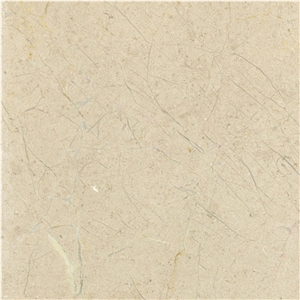
Corinthian Beige Nature Extra Marble

About
Item Details
- Material Type:
- Marble
- Origin:
Greece (Corinthia, Peloponnese) - Primary Color(s):
- Beige
- Recommended Usage:
- kitchen and bathroom countertops, wash basins, building stone, ornamental stone, stairs, interior, exterior wall and floor applications, mosaic, waterjet pattern, wall panels, table tops, balustrades, columns, wall and pool copings, pool pavers, sculptures, fireplaces, window sills
- Additional Names:
- Corinthian Beige Marble, Corinthian Beige First Marble, Corinthian Beige Nature Marble, Corinthian Beige Nature Extra, Corinthian Beige Nature Extra Marble
- Finished Surface:
- Polished,Bush Hammered,Tumbled,Brushed,Honed,Split,Machine Cut,Natural Surface,Sandblasted,Combed,Leathered,Water Jet,Filled,Chiseled,Pickling
Testing
- Water Absorption:
- 0.1 % wt.
- Density:
- 2700 kg/m³
- Flexural Strength:
- 16.7 MPa
- Compressive Strength:
- 137 MPa
Description
Corinthian Beige Nature Extra Marble is a warm khaki-beige to light creamy beige base with subtle grey or slightly darker beige veining marble quarried in Greece.
Description:
- Origin: Quarried in Corinthia, Peloponnese, Greece.
- Color: Warm khaki-beige to light creamy beige base.
- Veining: Subtle grey or slightly darker beige veining.
- Pattern: Soft and elegant, not highly dramatic, suitable for large continuous surfaces with a calm, natural look.
Physical and Mechanical Properties:
- Apparent Density (EN 1936): 2700 kg/m³
- Open Porosity (EN 1936): 0.3 % (vol.)
- Water Absorption at Atmospheric Pressure (EN 13755): 0.1 % (wt.)
- Uniaxial Compressive Strength (EN 1926): 137 MPa
- Flexural Strength under Concentrated Load (EN 12372): 16.7 MPa
- Breaking Load at Dowel Hole (EN 13364): 2200 N
- Abrasion Resistance (EN 14157 – Method B): 10,395 mm³
- Rupture Energy (EN 14158): 3 Joules
- Frost Resistance (EN 12371 & EN 12372): 15.8 MPa
- Hardness: Generally falls between 3 to 4 on the Mohs scale (typical for marble).
- Porosity: Low, reducing substantial water absorption and making it less prone to staining.
- Slip Resistance: Generally low; polished marble tends to be slippery when wet, and anti-slip finishes can be applied if required.
Chemical and Mineral Composition (% by weight):
Mineralogical Composition
- Calcite: 96%
- Dolomite: 3%
- Quartz: 1%
Chemical Composition (% in Dry Substance)
- SiO₂: 0.30%
- Al₂O₃: 0.15%
- Fe₂O₃: 0.15%
- CaO: 55.00%
- MgO: 0.50%
- MnO: 0.01%
- TiO₂: 0.01%
- K₂O: 0.01%
- Na₂O: 0.01%
- LOI (Loss on Ignition): 43.70%
Usage:
- Interior Applications: Ideal for flooring, wall cladding, bathroom vanities, countertops, and decorative features.
- Exterior Applications: Suitable for facades and exterior cladding where climate conditions allow.
- Commercial and Residential Use: Preferred for both due to its aesthetic and physical properties.
Maintenance:
- Regular cleaning with pH-neutral cleansers.
- Avoid acidic or abrasive cleaners that can etch the surface.
- Periodic sealing to maintain stain resistance, especially in high-traffic areas.
- Immediate cleaning of spills to prevent staining, particularly from acidic substances like coffee, wine, or lemon juice.
Cutting Sizes:
- Standard Tiles: Common sizes include 30x30 cm, 30x60 cm, 60x60 cm.
- Slabs: Large slabs available, typically varying around 2 cm to 3 cm in thickness, cut to specific project requirements.
- Custom sizes can be fabricated to meet specific design needs.
Surface Finish Options:
- Polished: Provides a high-gloss, reflective finish that enhances the natural color and veining.
- Honed: Offers a smooth, matte finish that is less reflective and can be preferred for flooring to reduce glare.
- Brushed: A textured finish that provides a slightly rustic appearance and improved slip resistance.
- Tumbled: Offers a more aged or rustic look with a less even surface, enhancing slip resistance.
- Sandblasted: A rougher finish option for specific design preferences or applications where higher slip resistance is needed.
Corinthian Beige Nature Extra Marble is noted for its elegance and versatility, making it a valued choice in a variety of architectural and design applications, offering both aesthetic appeal and durability.
FAQ
Yes, Greeces Corinthian Beige Nature Extra Marble can be used for exterior applications in cold climates. Marble is a natural stone that is highly durable and can withstand various weather conditions, including cold temperatures. However, it is important to note that proper installation and maintenance are essential to ensure its longevity and resistance to freezing and thawing cycles. Additionally, treating the marble with sealants can help protect it from moisture and potential damage caused by freezing temperatures.
What is the coefficient of friction of Filled Greece's Corinthian Beige Nature Extra Marble tiles?
The coefficient of friction of Filled Greeces Corinthian Beige Nature Extra Marble tiles would need to be measured through laboratory testing. It cannot be determined accurately without specific testing.
Can Greece's Corinthian Beige Nature Extra Marble be used in landscaping?
Yes, Greeces Corinthian Beige Nature Extra Marble can be used in landscaping. It is a natural stone that can add an elegant and luxurious touch to outdoor spaces. Its beige color and unique veining patterns can complement various landscape designs and styles. Some common uses of marble in landscaping include pathways, patios, retaining walls, decorative accents, and outdoor furniture. However, it is important to note that marble is a soft stone and may require proper sealing and maintenance to protect it from weathering and staining in an outdoor environment.
How thick is Greece's Corinthian Beige Nature Extra Marble slabs?
I do not have access to d information about stock at all times. However, based on the standard, Greeces Corinthian Beige Nature Extra Marble slabs are typically available in thicknesses of 2 cm and 3 cm.
Can Greece's Corinthian Beige Nature Extra Marble be used in a bathroom?
Yes, Greeces Corinthian Beige Nature Extra Marble can be used in a bathroom. Marble is a popular choice for bathroom countertops, floors, and walls due to its durability, natural beauty and resistance to water and humidity. However, it is important to seal the marble properly and to clean up any spills or stains quickly to prevent damage or discoloration.
What grade is Greece's Corinthian Beige Nature Extra Marble?
I do not have the option to provide an accurate answer to this question as it requires more specific information. However, in general, the grade of a marble depends on its quality, appearance, and durability. The grades for marbles can range from A to D, with A being the highest quality.
Are there color variations of Greece's Corinthian Beige Nature Extra Marble?
I dont have access to current information about the availability of different types of marbles. However, I can give you a general insight about natural stones.
As a natural stone, the color of marble can vary depending on several factors such as the quarry it was sourced from, the level of impurities, and the geological age of the stone. It is possible that there are slight variations of Greeces Corinthian Beige Nature Extra Marble available on the market. The best way to determine the availability of color variations would be to contact a stone supplier or manufacturer directly.
Is Greece's Corinthian Beige Nature Extra Marble an expensive stone?
I do not have access to the current market prices of materials. However, it is generally known that natural marbles can be quite expensive due to their rarity and high-quality. The cost of the Corinthian Beige Nature Extra Marble may vary depending on the size and amount ordered. Its best to consult with a supplier or contractor for specific pricing information.