


 Iran
Can Iran's Cream Namin Marble be used exterior applications in cold climates?
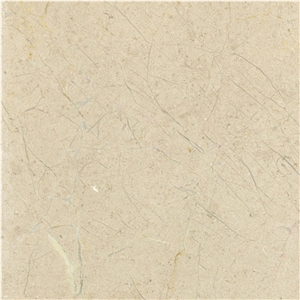
Irans Cream Namin Marble is known for its high-quality cream-colored appearance and durability. While it is primarily used for interior applications, such as flooring, walls, and countertops, it can also be used for exterior applications in cold climates with some considerations.
1. Frost resistance: Cold climates often experience freezing and thawing cycles, which can cause damage to some types of marble. Therefore, it is crucial to ensure that the Cream Namin Marble has excellent frost resistance properties to withstand these conditions.
2. Water absorption: Marble that absorbs water can be prone to cracking and damage when exposed to freezing temperatures. Therefore, it is important to choose Cream Namin Marble with a low water absorption rate, ideally less than 0.5%.
3. Thermal resistance: Marble should have good thermal resistance to withstand extreme temperature variations. Cream Namin Marble is known to have good heat resistance, but its performance in cold climates might vary. Consult with a supplier or expert to determine if it can withstand the specific cold temperatures of your location.
4. Sealing and maintenance: Proper sealing and maintenance are critical for exterior marble applications. Applying a high-quality sealant will help protect the marble from moisture penetration and minimize the risk of damage due to freeze-thaw cycles. Regular cleaning and maintenance will also help preserve its appearance.
In conclusion, while Cream Namin Marble can be used for exterior applications in cold climates, it is important to consider its frost resistance, water absorption, thermal resistance, and implement proper sealing and maintenance practices to ensure its longevity. Consulting with a supplier or marble expert can provide more specific guidance based on the climate and conditions of your location.


 Spain

 Turkey

 Italy

 Oman

 Egypt


