Post Your Needs

Crema Extra Limestone

Beige - Limestone

Bulgaria

About

Item Details

Material Type:
Limestone
Origin:
Bulgaria (Vratsa)
Primary Color(s):
Beige
Recommended Usage:
planters, fountains, facade, urban street furnitures, building stone, ornamental stone, stairs, interior, exterior wall applications, mosaic, waterjet pattern, wall panels, table tops, balustrades, columns, wall and pool copings, pool pavers, fireplaces
Additional Names:
Vratsa Crema Extra Limestone, Vratsa Crema Limestone, Vratsa Limestone, Rhine Beige Limestone, Vratza Limestone, in China stone market:莱茵米黄(Lái Yīn Mǐ Huáng), Crema Extra Limestone
Finished Surface:
Polished,Bush Hammered,Tumbled,Brushed,Honed,Split,Machine Cut,Natural Surface,Sandblasted,Combed,Leathered,Water Jet,Chiseled,Pickling

Testing

Water Absorption:
3.9 - 4.8 %
Density:
2680 - 2720 Kg/m3
Compressive Strength:
651.1 - 866.2 x10⁵ Ра
Stone texture:
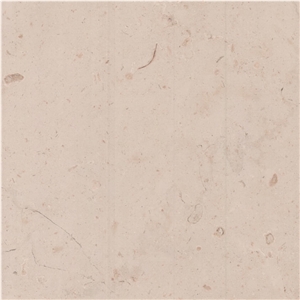
a premium sedimentary rock quarried in the Vratsa Province of Bulgaria, widely celebrated for its uniform, light-beige to creamy aesthetic and exceptional physical durability. Formed during the Early Cretaceous period from accumulated marine fossils and minerals, it behaves more like a dense marble, Dominated by warm, earthy tones ranging from soft cream and light yellow to medium beige, occasionally presenting subtle light gray or brown variations, Features a fine-to-medium grain texture heavily enriched with delicate fossilized fragments and subtle veining. Density 2.16 - 2.25 g/cm3Specific density 2.68 - 2.72 g/cm3Pore volume 16.36 - 19.40 %Pore coefficient 0.196 - 0.242 %Water absorption 3.9 - 4.8 %Compressive strength in dry conditions 651.1 - 866.2 x10⁵ РаCompressive strength in water saturation 454.3 - 677.4 x10⁵ РаCompressive strength in frozen conditions 356.8 - 565.6 x10⁵ РаFrost-resistance coefficient .50 - 0.65Abrasion coefficient 4.7 - 5.4 %

Description

Crema Extra Limestone is a premium sedimentary rock quarried in the Vratsa Province of Bulgaria. Known for its uniform light-beige to creamy appearance, it bears physical durability reminiscent of a dense marble. Formed during the Early Cretaceous period, it is composed of accumulated marine fossils and minerals. The stone is characterized by its warm, earthy tones that include soft cream, light yellow, and medium beige, with occasional hints of light gray or brown. It features a fine-to-medium grain texture enriched with delicate fossilized fragments and subtle veining.

Physical Properties

  • Density: 2.68 - 2.72 g/cm³ (2680 - 2720 Kg/m³)
  • Specific Density: 2.68 - 2.72 g/cm³
  • Pore Volume: 16.36 - 19.40%
  • Pore Coefficient: 0.196 - 0.242 %
  • Water Absorption: 3.9 - 4.8 %
  • Compressive Strength:
  • Dry conditions: 651.1 - 866.2 x 10⁵ Pa
  • Water-saturated conditions: 454.3 - 677.4 x 10⁵ Pa
  • Frozen conditions: 356.8 - 565.6 x 10⁵ Pa
  • Flexural Strength: Information not provided (typically tested during application-specific processing)
  • Frost-Resistance Coefficient: 0.50 - 0.65
  • Abrasion Coefficient: 4.7 - 5.4%
  • Hardness: Typically assessed using Mohs Hardness Scale (exact value not specified)
  • Porosity: Described through pore volume percentage above
  • Slip Resistance: Specific value not provided but can be improved with surface finishes.

Chemical and Mineral Composition (Percentage by Weight)

  • Actual detailed chemical composition is not provided; typically includes calcite and aragonite given the limestone base.

Usage

  • Interior Cladding: Walls, floors, and decorative features
  • Exterior Cladding: Facades and outdoor architectural details
  • Countertops: Suitable for both kitchens and bathrooms due to its durability
  • Staircases: Applicable for elegant interior steps
  • Paving: Ideal for patios and outdoor walkways

Maintenance

  • Regularly seal the surface to enhance longevity and maintain appearance.
  • Use neutral pH cleaners to avoid chemical reactions that could damage the limestone.
  • Avoid abrasive cleaning materials which can scratch or wear the surface.

Available Common Surface Finish Options

  • Polished Finish: Provides a shiny, reflective surface, enhancing color and veining
  • Honed Finish: Offers a smooth, matte finish for a natural appearance
  • Brushed Finish: Textured surface enhancing slip resistance
  • Sandblasted Finish: Rough surface applied for aesthetics or slip resistance

Cutting Sizes (Typical cm dimensions)

  • Tiles: 30x30, 30x60, 60x60
  • Slabs: Can be customized per project requirements, typically starting from 2 cm thickness

Crema Extra Limestone's versatility in terms of aesthetics and functionality makes it a favored choice among architects and interior designers aiming for an earthy yet luxurious look. Its composition allows it to withstand various environmental conditions, making it suitable for a wide range of applications.

FAQ

Can Bulgaria's Crema Extra Limestone be used in landscaping?

Yes, Bulgarias Crema Extra Limestone can be used in landscaping. Limestone is a versatile natural stone that is commonly used in landscaping projects. It can be used for various purposes such as paving, patios, walkways, retaining walls, garden borders, and decorative elements. Bulgarias Crema Extra Limestone, with its natural beauty and creamy color, can add an elegant and timeless look to any outdoor space. However, it is important to ensure that the limestone is properly sealed and maintained to prevent staining and damage from weathering over time.

Can Bulgaria's Crema Extra Limestone be used exterior applications in cold climates?

While Bulgarias Crema Extra Limestone is a durable and versatile stone, it is important to consider the specific characteristics and requirements of the limestone before using it in exterior applications in cold climates. Crema Extra Limestone has a density of 2565 kg/m3 and a compressive strength of 149 MPa, which indicates its strength and durability. It is known for its beige color and consistent texture, making it aesthetically pleasing. However, when it comes to cold climates, there are a few factors to consider. Limestone is a porous material, and when exposed to freeze-thaw cycles in cold climates, water can penetrate the stones pores, freeze, and expand. This freeze-thaw process can cause cracks, spalling, and deterioration of the limestone over time. To mitigate these risks, proper installation and maintenance are crucial. Applying a water repellent sealant to the limestone can help minimize water absorption and protect it from freeze-thaw damage. Additionally, regular cleaning and inspection to address any signs of damage or wear is important to maintain the limestones integrity in cold climates. In summary, while Crema Extra Limestone can be used in exterior applications in cold climates, it requires proper installation, sealing, and maintenance to ensure its longevity and durability. Consulting with a knowledgeable professional or supplier who is familiar with the specific characteristics and performance of Bulgarias Crema Extra Limestone would be advisable before using it in such conditions.

Can Bulgaria's Crema Extra Limestone be used in a bathroom?

Yes, Bulgarias Crema Extra Limestone can be used in a bathroom. Limestone is a natural stone that is often used for various interior and exterior applications, including bathrooms. However, it is important to note that limestone is a porous material and is more prone to staining and water damage compared to other stones like granite or marble. Therefore, proper sealing and maintenance are necessary to ensure its durability in a bathroom setting.

What is the coefficient of friction of Filled Bulgaria's Crema Extra Limestone tiles?

The coefficient of friction of Filled Bulgarias Crema Extra Limestone tiles can vary depending on various factors such as surface treatment, finish, and conditions. To obtain the specific coefficient of friction for these tiles, it is recommended to contact the manufacturer or supplier of the tiles directly. They will be able to provide the most accurate and up-to-date information based on the specific product.

What grade is Bulgaria's Crema Extra Limestone?

Bulgarias Crema Extra Limestone does not typically have a specific grade classification. The quality of the limestone can vary based on factors such as color, texture, and consistency. It is recommended to inquire with a supplier or expert in the industry for specific information about the grade of the Crema Extra Limestone from Bulgaria.

Are there color variations of Bulgaria's Crema Extra Limestone?

Yes, there are subtle variations of color in Bulgarias Crema Extra Limestone. Depending on the quarry and batch, the stone can range from a light cream to a beige color. The veining in the stone can also vary, from minimal to more pronounced patterns. However, these variations are generally considered part of the stones natural beauty and are appreciated by designers and homeowners alike.

Is Bulgaria's Crema Extra Limestone an expensive stone?

I do not have access to real-time pricing information. However, Crema Extra limestone is considered a high-end material and can be relatively expensive compared to other types of limestone. The cost of Crema Extra limestone can vary depending on factors such as the supplier, location, and quality of the stone. It is best to contact a supplier or receive a quote to get an accurate idea of the cost.

Project Show

Renaissance Hotel Algeria 2015

Created: Xiamen Wanli Stone Stock Co. Ltd. China

Renaissance Hotel- Algeria

Year  :2015

Material: Crema Extra Limestone

Surface: Honed-Polished

Size:...

Renaissance Hotel Algeria 2015

Products & Prices

Hot Beige Limestone

New Limestone

Post Your Request

The request includes:
  1. surface finished, size
  2. quantity required