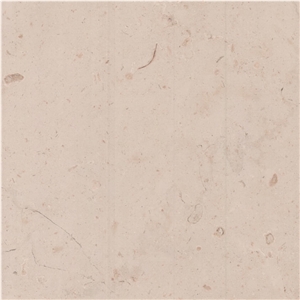
Spains Crema Pinar Limestone can be used for exterior applications in humid climates, but proper sealing and maintenance are extremely important to ensure its durability and longevity. Limestone is a porous and natural stone, which means it can absorb moisture if left unsealed. In very humid climates, the risk of water infiltration and potential damage is higher.
To mitigate this risk, it is crucial to apply a high-quality sealer specifically designed for limestone before installing it in exterior areas. The sealer acts as a protective barrier, preventing water and moisture from penetrating the stone. It should be applied according to manufacturer instructions and may require periodic reapplication over time.
Additionally, regular cleaning and maintenance are essential. This includes removing debris, dirt, and organic materials that can trap moisture and lead to discoloration or algae/mold growth. Stains should be addressed promptly, using suitable cleaning products that wont damage the limestone or its sealant.
Its also worth noting that in very humid climates, limestone may be more prone to developing a patina or weathering over time. Some people may find this natural aging process desirable, as it enhances the stones character and charm. However, if maintaining the stones original appearance is a priority, regular cleaning and sealing are necessary to slow down the effects of weathering.
In summary, while Spains Crema Pinar Limestone can be used for exterior applications in very humid climates, proper sealing, cleaning, and maintenance are critical to ensure its performance and longevity.


 Spain


 Saudi Arabia

 Germany


 Portugal


 Norway

 Croatia

 Bulgaria

 China

 France
