Post Your Needs

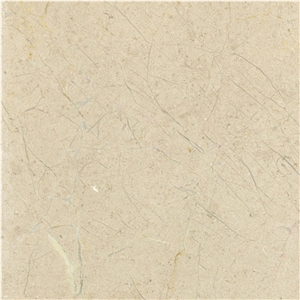
Danish Cream Marble

Beige - Marble

Turkey

About

Item Details

Material Type:
Marble
Origin:
Turkey
Primary Color(s):
Beige
Recommended Usage:
Kitchen and bathroom countertops, wash basins, building stone, ornamental stone, stairs, interior, exterior wall and floor applications, mosaic, waterjet pattern, wall panels, table tops, balustrades, columns, wall and pool copings, pool pavers, sculptures, fireplaces
Additional Names:
Danish Creme Marble, Danish Beige Marble, Danish Cream Marble
Finished Surface:
Polished,Bush Hammered,Tumbled,Brushed,Honed,Split,Machine Cut,Natural Surface,Sandblasted,Combed,Leathered,Water Jet,Filled,Chiseled,Pickling

Testing

Water Absorption:
0.18% - 0.30%
Density:
2700 - 2730 Kg/m³
Flexural Strength:
9 - 12 MPa
Compressive Strength:
90 - 110 MPa

Description

Danish Cream Marble is a type of calcite marble that is prized for its aesthetic appeal and durability. This natural stone is quarried in Turkey and is known for its earthy beige base, which is accentuated by quartz stains and lighter hue patterns. It is a popular choice for various applications in both residential and commercial settings due to its elegant appearance and robust properties.

Colors

  • Primary Color: Beige
  • Accent Colors: Light gray, Ivory (from quartz stains)

Physical and Mechanical Properties

  • Water Absorption: Typically ranges between 0.18% - 0.30%
  • Density: Approximately 2.70 - 2.73 g/cm³
  • Flexural Strength: Ranges from 9 to 12 MPa
  • Compressive Strength: Typically between 90 - 110 MPa
  • Hardness: 3 on Mohs scale (typical for calcite marble)
  • Porosity: Low
  • Slip Resistance: Generally considered moderate; can be enhanced with specific finishes or treatments

Chemical and Mineral Composition

  • Calcium Carbonate (CaCO3): Approximately 90-95%
  • Quartz (SiO2): Approximately 2-4%
  • Other Minerals: Including trace amounts of iron oxides and other minerals

Usage

Danish Cream Marble is highly versatile and is used in:

  • Flooring: Popular in living rooms, hallways, and lobbies.
  • Wall Cladding: Adds a touch of elegance, often used in bathrooms and kitchens.
  • Countertops: Suitable for kitchen and bathroom countertops, offering practicality and beauty.
  • Fireplace Surrounds: Durable against heat and aesthetically pleasing.
  • Staircases: Provides durability and style for residential and commercial staircases.
  • Sculpture and Decorative Items: Used for artistic sculptures and various decorative pieces.

Maintenance

  • Cleaning: Use a mild, pH-neutral stone cleaner and a soft cloth. Avoid acidic or abrasive cleaners.
  • Sealing: Periodically apply a penetrating sealer to enhance stain resistance.
  • Polishing: Regularly polish to maintain the stone's natural shine and luster.

Cutting Sizes (Commonly Available)

  • Tiles: 30x30 cm, 30x60 cm, 60x60 cm
  • Slabs: Typically 2 cm and 3 cm thickness

Available Surface Finishes

  • Polished: Offers a shiny, reflective surface that brings out the stone's natural colors and patterns.
  • Honed: Provides a smooth, matte finish for a more understated look.
  • Brushed: Gives a textured finish, enhancing slip resistance.
  • Sandblasted: Offers a rougher texture for a rugged, natural look ideal for exterior use.
  • Tumbled: Provides an aged and weathered appearance, perfect for rustic designs.

Danish Cream Marble offers timeless elegance and robust functionality, making it a preferred choice for both traditional and contemporary designs. When selecting this marble for projects, it's important to consider the desired appearance, application, and maintenance requirements to ensure the best outcome.

FAQ

What grade is Turkey's Danish Cream Marble?

There is no specific grade for Turkeys Danish Cream Marble. The grading of marble typically refers to its quality, with higher grades indicating better quality marble. However, the Danish Cream Marble from Turkey is generally considered to be of good quality and is popularly used for various applications such as flooring and countertops.

Are there color variations of Turkey's Danish Cream Marble?

Yes, there are color variations of Turkeys Danish Cream Marble. The base color of the marble is usually a creamy white or beige, but it can also have veining in different shades of cream, beige, light brown, or even hints of grey. These variations occur naturally in the stone and can give each slab a unique appearance.

Can Turkey's Danish Cream Marble be used in a office?

Yes, Turkeys Danish Cream Marble can be used in an office. It is a versatile and elegant material that can add a luxurious touch to any space, including office environments. The cream-colored marble with its subtle veins can create a sophisticated and professional ambiance in an office setting. Additionally, marble is durable and easy to maintain, making it suitable for high-traffic areas like offices.

What is the coefficient of friction of Leathered Turkey's Danish Cream Marble tiles?

The coefficient of friction for Leathered Turkeys Danish Cream Marble tiles would depend on the specific finish and the surface it is interacting with. The coefficient of friction can vary depending on factors such as the texture of the marble, the presence of any sealants or coatings, and the type of surface it is being compared to (e.g., tile, wood, carpet). To obtain the coefficient of friction for a specific marble tile, it would be best to consult the manufacturer or supplier of the tiles who can provide accurate and specific information. They may conduct tests or provide technical data that includes the coefficient of friction for their specific product.

Can Turkey's Danish Cream Marble be used exterior applications in very sunny climates?

Turkeys Danish Cream Marble is a popular choice for interior applications, but it may not be the best option for exterior applications in very sunny climates. Marble is a natural stone that is prone to fading, discoloration, and damage when exposed to direct sunlight and harsh weather conditions over time. In very sunny climates, the intense UV rays can cause the marble to fade and lose its original color. Additionally, the high temperatures and moisture levels can cause the marble to crack and deteriorate. If youre looking for a natural stone option for exterior applications in very sunny climates, it is recommended to choose a more suitable stone that is specifically designed for outdoor use. Options like granite or quartzite are often more durable and resistant to fading and weathering. Alternatively, there are some types of marble that are specifically engineered to be more fade-resistant and suitable for outdoor use, so its worth considering those as well.

Can Turkey's Danish Cream Marble be used in landscaping?

Yes, Turkeys Danish Cream Marble can be used in landscaping. It is often used for outdoor applications such as patios, walkways, garden paths, and pool decks. Its natural beauty and light cream color make it a popular choice for enhancing the aesthetics of outdoor spaces. It is also durable and can withstand weather conditions, making it suitable for landscaping projects.

Can Turkey's Danish Cream Marble be used outdoors?

Turkeys Danish Cream Marble is often used for interior applications such as flooring, walls, countertops, and backsplashes due to its elegant and luxurious appearance. However, using it outdoors may not be recommended for several reasons: 1. Porosity: Danish Cream Marble is a natural stone, which means it is porous and prone to absorbing moisture. When exposed to outdoor elements like rain, snow, and humidity, the marble may absorb water, leading to discoloration, staining, and degradation over time. 2. Weather Resistance: Marble is not highly resistant to extreme weather conditions, such as freeze-thaw cycles or prolonged exposure to direct sunlight. These factors can cause the stone to crack, chip, or fade, making it unsuitable for outdoor use. 3. Slippage: Marble tends to become slippery when wet, posing a potential safety hazard when used in outdoor areas like patios or pool surrounds. 4. Maintenance: Outdoor surfaces require more frequent cleaning and maintenance due to exposure to dirt, dust, and other outdoor debris. Marble requires special care and regular sealing to maintain its appearance and prevent damage, which can be challenging to maintain in outdoor settings. Overall, while Turkish Danish Cream Marble can enhance the beauty of indoor spaces, it may not be the best choice for outdoor applications due to its susceptibility to damage from moisture, weather conditions, and higher maintenance requirements.

Is Turkey's Danish Cream Marble an expensive stone?

I do not have access to up-to-date market prices. However, Danish Cream Marble is considered a high-end and luxurious stone due to its unique texture and rarity. Therefore, it is generally expected to be expensive compared to other types of marble. The exact pricing may vary depending on various factors such as quality, thickness, availability, and location.

Products & Prices

Hot Beige Marble

New Marble

Post Your Request

The request includes:
  1. surface finished, size
  2. quantity required