Post Your Needs

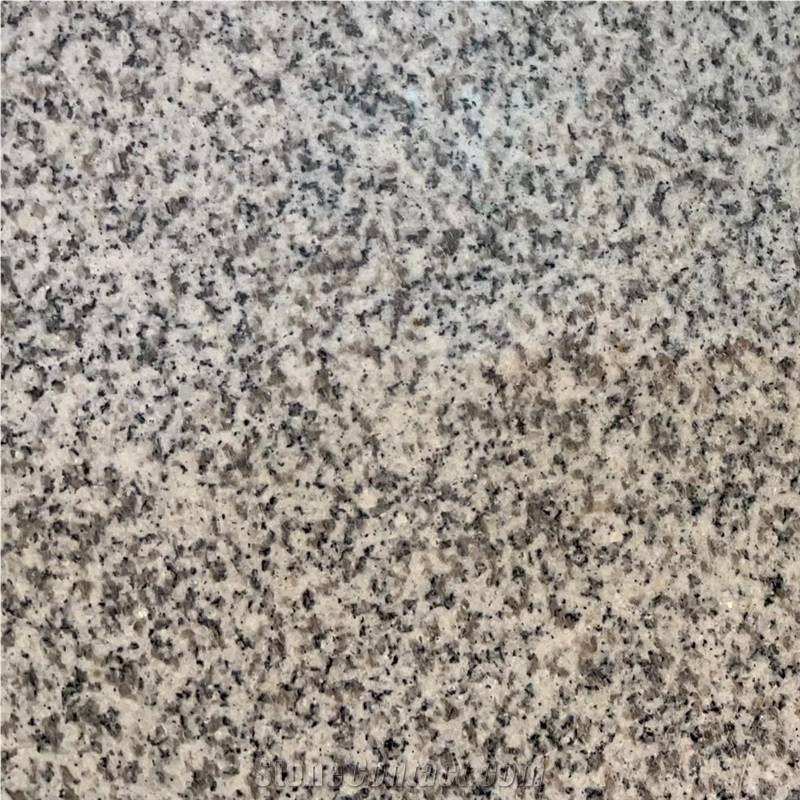
Dark Steel Granite

Grey - Granite

Canada

About

Item Details

Material Type:
Granite
Origin:
Canada (Riviere-a-Pierre, Quebec)
Primary Color(s):
Grey
Recommended Usage:
Countertops, mosaic, exterior - interior wall and floor applications, fountains, pool and wall capping, stairs, window sills
Additional Names:
Dark Steel Gray Granite, Dark Steel Grey Granite, Dark Steel Granite
Finished Surface:
Polished, Sawn Cut, Sanded, Rockfaced, Sandblasted, Tumbled

Testing

Density:
2810 kg/m3
Flexural Strength:
15 MPa
Compressive Strength:
161 MPa

Description

Dark Steel Granite is a kind of dark grey granite quarried in Canada. This stone is especially good for Countertops, mosaic, exterior - interior wall and floor applications, fountains, pool and wall capping, stairs, window sills and other design projects. It also called Dark Steel Gray Granite,Dark Steel Grey Granite . Dark Steel Granite can be processed into Polished, Sawn Cut, Sanded, Rockfaced, Sandblasted, Tumbled and so on.

FAQ

How can I drill a hole in place for the faucet outlet in the Dark Steel Granite kitchen countertop?

To drill a hole for the faucet outlet in Dark Steel Granite countertop, follow these steps: 1. Measure and mark the exact location where you want to drill the hole for the faucet outlet using a measuring tape and a pencil. Double-check the measurements to ensure accuracy. 2. Put on safety goggles and a face mask to protect your eyes and lungs from the granite dust that will be generated during the drilling process. 3. Choose a diamond-tipped hole saw drill bit that is specifically designed for drilling through granite. The size of the hole saw drill bit should match the diameter of the faucet outlet. 4. Attach the diamond-tipped hole saw drill bit to a power drill. Make sure the drill bit is securely tightened. 5. Place a small piece of masking tape over the marked spot to help prevent the drill bit from slipping during the drilling process and to minimize any chipping. 6. Pour water onto the marked spot on the countertop to act as a lubricant and coolant during the drilling process. This will help prevent the granite from overheating and cracking. 7. Start drilling slowly at a low speed. Begin with light pressure, gradually increasing the pressure as the hole deepens. Be patient and avoid rushing to prevent any damage to the countertop. 8. Apply consistent and even pressure throughout the drilling process, allowing the drill bit to slowly and steadily penetrate the granite. Avoid excessive force, as this may cause the drill bit to overheat and wear out prematurely. 9. Periodically stop drilling and lift the drill up to remove excess dust and debris from the hole. You can use a squeeze bottle or a misting spray bottle filled with water to flush away debris and keep the drill bit cool. 10. Continue drilling until the hole has been fully penetrated. Avoid drilling entirely through the countertop to prevent any damage to the underside or support structure. 11. Once the hole is drilled, remove the masking tape and inspect the hole for any rough edges or burrs. Gently sand any rough areas using fine-grit sandpaper or a diamond file to smooth the edges. 12. Clean the countertop with a stone cleaner and wipe it dry. Now, your Dark Steel Granite countertop is ready for the faucet to be installed. Remember, if you are not confident in your abilities or lack the necessary tools, it is always best to hire a professional to drill the hole for you.

What type of cutting blade should I use to cut 2cm thick Dark Steel Granite?

To cut 2cm thick Dark Steel Granite, it is recommended to use a diamond cutting blade specifically designed for cutting granite. Diamond blades are known for their durability and ability to cut through hard materials like granite. Look for a blade with a continuous rim or segmented rim design for smooth and clean cuts. Additionally, ensure that the blade is compatible with your cutting tool or machine. Always follow the manufacturers recommendations and safety guidelines when using cutting blades.

Will Dark Steel Granite kitchen top crack from heat?

Dark Steel Granite is a dense and durable natural stone commonly used for kitchen countertops. While it is highly resistant to heat, it is not completely heat-proof. Extreme and sudden changes in temperature can potentially cause the granite to crack or develop stress fractures. It is recommended to use a trivet or hot pad while placing hot pots, pans, or other heated objects directly on the countertop to prevent heat damage. Additionally, it is important to avoid exposing Dark Steel Granite countertops to direct and prolonged contact with very high heat sources like open flames. Regular care and maintenance, such as proper sealing and avoiding harsh cleaning agents, can help preserve the appearance and durability of the Dark Steel Granite countertop over time.

Is Dark Steel Granite countertop resistant to heat?

Yes, Dark Steel Granite countertop is generally resistant to heat. Granite is known for its natural heat-resistant properties, and Dark Steel Granite is no exception. However, it is always recommended to use trivets or hot pads when placing hot objects directly on the countertop to avoid any potential damage or discoloration.

Is Dark Steel Granite good for outdoor steps?

Dark Steel Granite can be a good choice for outdoor steps due to its durability and strength. Granite is known for its ability to withstand heavy foot traffic and the outdoor elements, making it an ideal material for steps that will be exposed to weather conditions. Moreover, the dark steel color of the granite can create a contemporary and sophisticated look for the outdoor steps. However, it is important to note that proper installation and regular maintenance are crucial to ensure the longevity and safety of the steps.

How do I anchor a railing to Dark Steel Granite stair steps?

Anchoring a railing to Dark Steel Granite stair steps requires a few steps. Here is a general guide on how to do it: 1. Measure and mark the placement of the railing: Determine the desired location of the railing by measuring and marking it on the granite stair steps. Use a measuring tape and a pencil to ensure accuracy. 2. Pre-drill the holes: Use a masonry drill bit, suitable for granite, to pre-drill the holes for the railing anchors. The size of the drill bit should match the size of the anchors that will be used. 3. Install the anchors: Insert the anchors into the pre-drilled holes. Ensure that they are fully ed and flush with the surface of the granite. 4. Attach the railing brackets: Place the railing brackets over the anchors, aligning them with the pre-drilled holes. Use screws or bolts provided with the brackets to secure them. Make sure the brackets are tightly fastened to the anchors. 5. Attach the railing: With the brackets securely in place, attach the railing to the brackets. The method of attachment may vary depending on the type of railing being used (screws, bolts, etc.). Follow the manufacturers instructions regarding the specific railings you are installing. 6. Secure the railing: Once attached, double-check the stability of the railing. Give it a firm shake to ensure it is securely anchored and does not move. Make any necessary adjustments to tighten the railing or brackets if needed. Always refer to the manufacturers instructions for the specific railing system you are using, as they may have their own recommendations or requirements for installation. Additionally, if you are unsure about the process or lack experience, it may be best to consult a professional to ensure the railing is securely anchored to the granite stair steps.

How do I attach Dark Steel Granite to steel?

Attaching Dark Steel Granite to steel typically involves using adhesive or epoxy specifically designed for bonding stone to metal surfaces. Here is a step-by-step guide to help you with the process: 1. Clean the steel surface: Ensure that the steel surface is clean, free from rust, dirt, oil, or any other contaminants. Use a degreasing agent or solvent to thoroughly clean the surface. Allow it to dry completely. 2. Prepare the Dark Steel Granite: Clean the backside of the Dark Steel Granite slab using a mild detergent and warm water. Rinse it well and allow it to dry completely. 3. Apply the adhesive: Use a high-quality adhesive or epoxy that is suitable for bonding stone and metal. Apply a thin layer of the adhesive on the steel surface using a notched trowel or a similar tool. 4. Place the granite slab: Carefully position the Dark Steel Granite slab over the adhesive, making sure it aligns properly with the steel. Apply even pressure on the slab to ensure a firm bond. Adjust the position if necessary. 5. Allow the adhesive to cure: Follow the instructions provided by the adhesive manufacturer regarding curing time. Typically, it takes around 24 hours for the adhesive to fully cure. Avoid disturbing or putting any weight on the attached slab during this time. 6. Clean up excess adhesive: Once the adhesive has cured, remove any excess adhesive that might have squeezed out from the edges using a putty knife or a similar tool. Be careful not to scratch the granite or the metal surface. Note: Its always recommended to consult the instructions and guidelines provided by the adhesive manufacturer for the specific products you are using. Additionally, if youre unsure about performing this task yourself, its advisable to seek professional assistance to ensure a successful and secure attachment.

Can I install Dark Steel Granite steps myself?

Installing Dark Steel Granite steps can be a challenging and complex project, especially if you dont have experience with stone installation. It requires careful measuring, cutting, and leveling to ensure proper installation and stability. If you have experience with stone or masonry work and feel confident in your abilities, you may be able to install Dark Steel Granite steps yourself. However, if youre unsure or lack experience, its generally recommended to hire a professional to ensure a proper and safe installation. Additionally, granite is a heavy material, so you will need proper equipment and assistance to handle and maneuver the steps. Its also important to consider any local building codes or regulations that may apply to the installation of steps. In conclusion, installing Dark Steel Granite steps yourself can be possible if you have the necessary skills, experience, and equipment, but its generally advised to hire a professional for the best results.

Products & Prices

View More

Hot Grey Granite

New Granite

Post Your Request

The request includes:
  1. surface finished, size
  2. quantity required