Desert Oasis Marble

About
Item Details
- Material Type:
- Marble
- Origin:
Oman - Primary Color(s):
- Beige
- Recommended Usage:
- Countertop, monuments, roofing tiles, building stone, ornamental stone, stairs, interior, exterior wall and floor applications, mosaic, waterjet pattern, wall panels, window sills, flagstones, wall and pool copings, pool pavers, fireplaces, pavers
- Additional Names:
- Desert Oasis Beige Marble, Desert Beige Marble, Omani Beige Marble, Desert Oasis, Desert Oasis Marble
- Finished Surface:
- Polished,Bush Hammered,Tumbled,Brushed,Honed,Split,Machine Cut,Natural Surface,Sandblasted,Acid Washing,Combed,Leathered,Water Jet,Filled,Chiseled,Pickling
Testing
- Water Absorption:
- 0.22 – 0.35% by weight
- Density:
- 2690 – 2720 Kg/m³
- Flexural Strength:
- 12 – 18 MPa
- Compressive Strength:
- 105 – 122 MPa (dry), ~98 MPa (wet)
Description
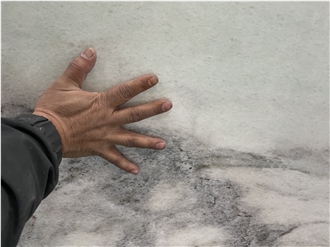
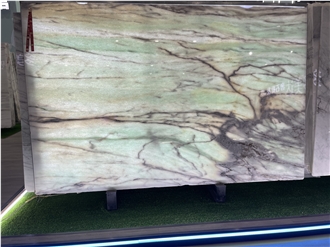
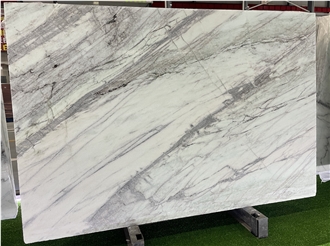
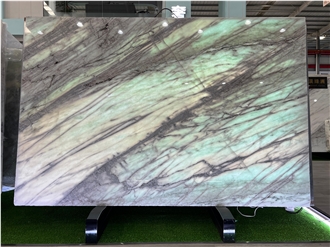
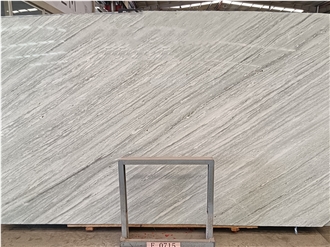
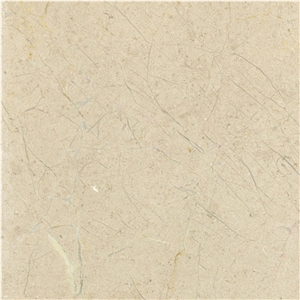
Desert Oasis Marble is characterized by a soft, sandy beige base tone, enriched with natural variations of light cream hues and dispersed fossil segments. The surface features fine to medium grains of varying sizes, with occasional tiny shell and fossil fragments that add an organic, ancient character to the stone. Its subtle, earthy elegance makes it a timeless choice for both traditional and contemporary applications.
Physical Properties
(All values are approximate and may vary slightly depending on quarry lot and testing source.)
- Apparent Density: 2.69 – 2.72 gr/cm³
- Water Absorption: 0.22 – 0.35% by weight
- Porosity: 0.6 – 1.1%
- Compressive Strength: 105 – 122 MPa (dry), ~98 MPa (wet)
- Flexural Strength: 12 – 18 MPa
- Abrasion Resistance: 17.5 – 20.0 mm (Ha value)
- Slip Resistance: Dry (R Rating): R10 Wet: R9 (depending on finish)
Chemical Composition (% by weight)
- CaCO3 (Calcium Carbonate): ~92.5%
- MgCO3 (Magnesium Carbonate): ~3.5%
- SiO2 (Silica): ~1.2%
- Fe2O3 (Iron Oxide): ~0.4%
- Al2O3 (Alumina): ~0.3%
- Others (trace elements): ~2.1%
Mineralogical Composition (% by weight)
- Calcite: 92–94%
- Dolomite: 3–4%
- Quartz: ~1%
- Feldspar and Accessory Minerals: ~1–2%
Mohs Hardness: 3 – 4 (typical for calcitic marbles)
Surface Finish Options:
- Polished (enhances creamy tones and fossil visibility)
- Honed (matte, smooth texture with soft warmth)
- Brushed (textured, slightly antique look)
- Sandblasted (slightly rough and non-slip)
- Tumbled (weathered look for rustic applications)
- Leathered (soft sheen with tactile texture)
Applications:
- Indoor flooring and wall cladding
- Bathrooms, vanity tops
- Countertops (residential, light commercial)
- Staircases and landings Decorative features and reception areas
- Suitable for low-traffic commercial projects
Maintenance & Care:
- Regular dusting and mopping with pH-neutral cleaners
- Sealing recommended for stain protection, especially in kitchens and bathrooms
- Avoid acidic or abrasive cleaning agents
- Polished surfaces should be re-polished periodically to maintain shine
- Honed and brushed finishes may hide minor etching or wear better
FAQ
Omans Desert Oasis Marble is a popular choice for both interior and exterior applications due to its unique and aesthetically pleasing appearance. However, when it comes to using marble in very humid climates, there are a few factors to consider.
Marble is a natural stone and is porous, meaning it can absorb moisture if not properly sealed. In very humid climates, where there is a lot of moisture in the air, there is a higher chance of the marble absorbing humidity and potentially developing issues such as efflorescence, discoloration, or even cracks due to expansion and contraction.
That being said, with proper sealing and maintenance, Omans Desert Oasis Marble can still be used in exterior applications in very humid climates. A high-quality sealer should be applied to the marble surface, creating a protective barrier against moisture, staining, and other environmental factors. Routine maintenance, including re-sealing as recommended by the manufacturer, is essential to ensure the long-term durability and appearance of the marble.
It is also advisable to consult with a professional stone supplier or installer who can assess the specific environmental conditions and provide appropriate guidance on the suitability and maintenance requirements of the marble.
In summary, while Omans Desert Oasis Marble can be used in exterior applications in very humid climates, proper sealing and maintenance are crucial to mitigate any potential issues that may arise due to the higher moisture levels in such environments.
Can Oman's Desert Oasis Marble be used outdoors?
Yes, Omans Desert Oasis Marble can be used outdoors. It is a durable and weather-resistant stone that is suitable for various outdoor applications such as flooring, paving, cladding, and landscaping. Its unique patterns and colors can enhance the aesthetic appeal of outdoor spaces, making it a popular choice for exterior projects. However, it is always recommended to consult with a professional or supplier to ensure proper installation and maintenance guidelines specific to the stones characteristics.
What grade is Oman's Desert Oasis Marble?
There is no specific grade for Omans Desert Oasis Marble. The grade of marble typically refers to its quality and appearance, which can vary based on factors such as color, veining, and overall aesthetic appeal. Therefore, it is not possible to determine a specific grade for Omans Desert Oasis Marble without more information.
What is the average water absorption of Oman's Desert Oasis Marble?
There is no specific information available about the average water absorption of Omans Desert Oasis Marble.
What is the coefficient of friction of Chiseled Oman's Desert Oasis Marble tiles?
The coefficient of friction of Chiseled Omans Desert Oasis Marble tiles is not specified. The coefficient of friction can vary depending on several factors such as the surface finish, thickness, and polishing method of the tiles. It is recommended to consult the manufacturer or supplier of the tiles for accurate information on their coefficient of friction.
Can Oman's Desert Oasis Marble be used in a office?
Yes, Omans Desert Oasis Marble can be used in an office setting. It is a premium natural stone with a unique and luxurious look, making it an excellent choice for creating an elegant and sophisticated office environment. The neutral color tones and beautiful patterns in the marble can add a sense of depth and richness to the space, making it visually appealing and conducive to a productive work environment. However, it is important to consider factors such as budget, maintenance requirements, and suitability for the specific office design and style before making a final decision.
How thick is Oman's Desert Oasis Marble slabs?
There is no specific information available about the thickness of Omans Desert Oasis Marble slabs. The thickness of marble slabs can vary depending on the specific quarry and the customers requirements. It is recommended to contact a supplier or manufacturer directly for accurate information on the thickness options available for this particular type of marble.
Are there color variations of Oman's Desert Oasis Marble?
Yes, there can be variations in the color of Omans Desert Oasis Marble. The main color of this marble is typically white or off-white, but it can also have varying shades of beige, cream, or tan. These color variations can occur due to the natural mineral content and impurities present in the stone, as well as the specific quarry location.
Is Oman's Desert Oasis Marble an expensive stone?
I do not have access to the current market prices of Omans Desert Oasis Marble. However, marble is generally considered a luxurious and expensive stone due to its beauty, durability, and rarity. The cost of Omans Desert Oasis Marble will depend on various factors such as its quality, availability, and demand in the market. It is recommended to consult with a stone supplier or a professional to determine the current pricing and availability of this particular stone.


13YR