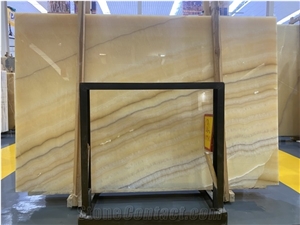
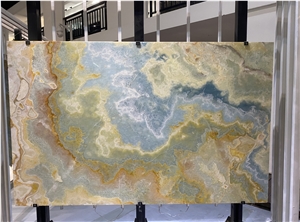
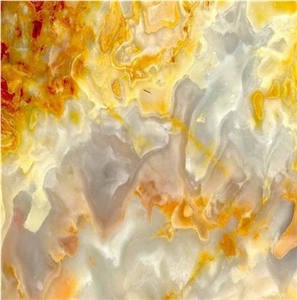
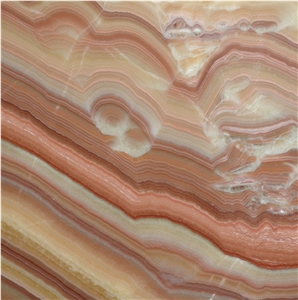
Desert Onyx

About
Item Details
- Material Type:
- Onyx
- Origin:
Brazil - Primary Color(s):
- Yellow
- Recommended Usage:
- Commercial tops, bar and bathroom countertops, ornamental stone, interior & exterior wall applications, mosaic, waterjet pattern, wall panels, table tops, fireplace surround, sculptures, balustrades, columns
- Additional Names:
- Desert Gold Onyx, Desert Onyx
- Finished Surface:
- Polished,Tumbled,Brushed,Honed,Split,Machine Cut,Natural Surface,Sandblasted,Leathered,Water Jet,Chiseled
Testing
- Water Absorption:
- 0.2 - 0.5%
- Density:
- 2660 - 2700 kg/m³
- Flexural Strength:
- 9 - 13 MPa
- Compressive Strength:
- 80 - 100 MPa
- Stone texture:
- warm earthy tones, golden beige, rusty brown tones with soft banding that creates depth and movement
Description
Desert Onyx is a visually captivating natural stone, quarried in Brazil, known for its distinctive warm earthy tones. It features golden beige and rusty brown tones with soft banding that creates depth and movement, along with hints of yellow that add vibrancy to its appearance. This onyx is appreciated for its aesthetic appeal, making it a popular choice in interior design and architectural applications.
Physical and Mechanical Properties:
- Water Absorption: 0.2 - 0.5%
- Density: 2660 - 2700 kg/m³
- Flexural Strength: 9 - 13 MPa
- Compressive Strength: 80 - 100 MPa
- Hardness: Onyx generally falls around 3-4 on the Mohs scale.
- Porosity: It is typically low, contributing to its water resistance.
- Slip Resistance: Generally low in polished form but can be enhanced with specific finishes.
Chemical and Mineral Composition (approximate % by weight):
- Calcium Carbonate (CaCO₃): Major component as with most onyx stones.
- Silica (SiO₂): Present in smaller amounts.
- Iron Oxides (Fe₂O₃): Which contribute to its rusty brown and golden tones.
- Traces of other minerals: Provide additional coloration and banding effects.
Usage:
- Interior Cladding: Used for wall panels and feature walls due to its translucent quality, which can be backlit for stunning visual effects.
- Countertops and Tabletops: Offers a luxurious surface that stands out in kitchen and dining areas.
- Flooring: Suitable for low-traffic areas due to its beauty, though care in maintenance is needed.
- Decorative Elements: Such as sculptures, bowls, and other artistic pieces.
Maintenance:
- Sealing: Regular sealing is recommended to protect against staining and preserve its natural beauty.
- Cleaning: Use a pH-neutral cleaner to avoid etching and maintain the finish.
- Avoid Harsh Chemicals: As they can damage the stone's surface.
Cutting Sizes:
- Available in a variety of custom sizes, commonly cut to industry standards ranging from smaller tiles (30x30 cm or 12x12 inches) to larger slabs depending on the application.
Available Surface Finishes:
- Polished: Enhances its translucent properties and vibrant colors.
- Honed: Provides a softer, more matte appearance.
- Leathered: Adds texture while maintaining a matted look.
- Sandblasted: Creates a rougher surface for better slip resistance.
Desert Onyx’s unique aesthetic qualities and remarkable physical attributes make it a sought-after material for creating luxurious interior spaces. Its versatility in surface finishes and cutting sizes further enhances its appeal for various design requirements.
FAQ
Yes, Brazils Desert Onyx can be used in landscaping. It is a beautiful and exotic stone with a unique color pattern that can add an eye-catching element to any landscape design. Its earthy tones and delicate veining create a natural and organic look that blends well with various outdoor settings. This stone can be utilized for pathways, garden borders, steps, patios, and even as a decorative element in water features or rock gardens. However, it is important to note that Desert Onyx is a natural stone with specific characteristics, so it may require sealing and maintenance to ensure its longevity and preserve its aesthetic appeal.
What is the coefficient of friction of Leathered Brazil's Desert Onyx tiles?
The coefficient of friction of Leathered Brazils Desert Onyx tiles is not provided in the question. The coefficient of friction can vary depending on several factors such as the surface finish, tile thickness, and the presence of any sealants. It is best to consult with the manufacturer or supplier of the tiles to obtain the specific coefficient of friction for this particular product.
Can Brazil's Desert Onyx be used exterior applications in very humid climates?
The Desert Onyx, also known as Brazilian Onyx, is a type of natural stone that is commonly used in both interior and exterior applications. However, its suitability for exterior use in very humid climates depends on various factors.
Onyx is a softer and more porous stone compared to other natural stones like granite or quartzite. This makes it more prone to damage from moisture and humidity. In very humid climates, where the weather conditions can be constantly damp, onyx may absorb humidity and become discolored or damaged over time.
To use Desert Onyx in exterior applications in very humid climates, it is important to take appropriate precautions:
1. Sealant: Applying a high-quality sealant specifically designed for onyx is crucial to protect the stone from moisture absorption. The sealant creates a protective barrier and helps to prevent water damage and staining.
2. Proper installation: It is important to ensure that the onyx is installed correctly by a professional to prevent any gaps or cracks where water can seep in. Adequate drainage systems should be in place to divert water away from the stone.
3. Maintenance: Regular maintenance and cleaning are essential to remove any algae, moss, or other organic materials that can accumulate on the surface due to high humidity. Avoid using harsh chemicals or acidic cleaners that can damage the stone.
Overall, while Desert Onyx can be used in exterior applications in very humid climates, it requires proper maintenance and care to prevent damage from moisture. It is advisable to consult with a stone professional or supplier for specific recommendations based on your location and climate.
How thick is Brazil's Desert Onyx slabs?
I am not certain about the specific thickness of Brazils Desert Onyx slabs. However, based on my research, the thickness of onyx slabs generally ranges from 2cm to 3cm. It is advisable to check with a supplier or manufacturer for precise information on thickness and dimensions.
Can Brazil's Desert Onyx be used in a office?
Yes, Brazils Desert Onyx can be used in an office as it is a beautiful and durable stone with unique patterns and colors that can add a touch of elegance to any workspace. It is commonly used for flooring, countertops, and decorative panels in offices, lobbies, and conference rooms. Additionally, onyx is known for its light-transmitting properties, making it ideal for creating backlit features that can create a warm and inviting atmosphere in any workspace.
What grade is Brazil's Desert Onyx?
I could not find any information regarding Brazils Desert Onyx being graded or classified. Onyx is generally categorized based on its color, pattern, and translucency. However, these categorizations are not standardized and can vary depending on the region and industry.
Are there color variations of Brazil's Desert Onyx?
I do not have access to the latest s and information on Brazils Desert Onyx. However, in general, there can be variations in color and pattern within a type of onyx depending on the location and conditions in which it is formed. So it is possible that there may be some color variations of Brazils Desert Onyx.
Is Brazil's Desert Onyx an expensive stone?
I do not have up-to-date information on prices. However, the price of Brazils Desert Onyx can vary depending on factors such as quality, size, and availability. Generally, onyx is considered to be a semi-precious stone and can be more affordable than other types of stones like diamonds or emeralds. However, some onyx varieties may be rarer and, therefore, more expensive. Its best to consult with a reputable stone dealer or do further research for current pricing information.


19YR