Post Your Needs

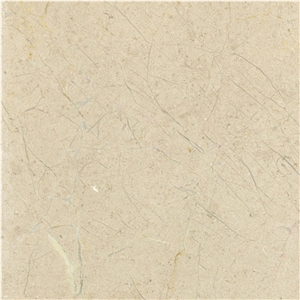
Didima Beige Marble

Beige - Marble

Greece

About

Item Details

Material Type:
Marble
Origin:
Greece (Didyma, Argolis, Peloponnese)
Primary Color(s):
Beige
Recommended Usage:
Kitchen and bathroom countertops, wash basins, building stone, ornamental stone, stairs, interior, exterior wall and floor applications, mosaic, waterjet pattern, wall panels, table tops, balustrades, columns, wall and pool copings, pool pavers, sculptures, fireplaces, window sills
Additional Names:
Didyma Beige Marble, Didimon Marble, Didimon Beige Marble, Didimou Beige Marble, Didymon Beige Marble, Didima Brown Marble, Didima Beige Limestone, Dydima Beige Marble, Didima Brown Wooden Marble, Didima Beige Marble
Finished Surface:
Polished,Bush Hammered,Tumbled,Brushed,Honed,Split,Machine Cut,Natural Surface,Sandblasted,Acid Washing,Combed,Leathered,Water Jet,Filled,Chiseled,Pickling

Testing

Water Absorption:
0.27 By weight %
Density:
2720 kg/m3
Flexural Strength:
12.0 - 12.2 MPa
Compressive Strength:
110.0 - 112.2 MPa
Stone texture:
a warm beige to light brown base with intricate, flowing grey and darker brown veining; pattern resembles natural wood grain or organic water currents, offering a rich, textured appearance

Description

Didima Beige Marble is a stunning natural stone that presents a warm beige to light brown base, with intricate, flowing grey and darker brown veining. This pattern gives it an appearance reminiscent of natural wood grain or organic water currents, contributing to its rich and textured aesthetic. Quarried in Didyma, Argolis, Peloponnese, Greece, it is prized for its elegant yet natural appeal.

Physical and Mechanical Properties

  • Water Absorption: 0.27% by weight
  • Density: 2720 kg/m³
  • Flexural Strength: 12.0 - 12.2 MPa
  • Compressive Strength: 110.0 - 112.2 MPa
  • Hardness: Generally falls between 3 and 4 on Mohs scale, typical for marble
  • Porosity: Low to moderate, contributing to its durability
  • Slip Resistance: May require treatment or finishes to improve slip resistance, especially in wet conditions

Chemical and Mineral Composition

Mineralogical Composition (% wt):

  • Calcite: 95 %
  • Dolomite: 3 %
  • Quartz: 2 %

Chemical Analysis (% wt):

  • CaO: 53 %
  • MgO: 0.83 %
  • SiO₂: 1.72 %
  • Fe₂O₃: 0.43 %
  • Al₂O₃: 0.38 %
  • K₂O: 0.04 %
  • Na₂O: 0.03 %
  • MnO: 0.00 %
  • LOI: 42.50 %

Usage

  • Interior Wall Cladding: Enhances the aesthetic appeal of any room with its elegant look
  • Flooring: Suitable for low to moderate foot traffic areas
  • Countertops and Vanity Tops: Offers a sophisticated and classic appearance
  • Fireplace Surrounds: Provides a warm and inviting look
  • Interior Staircases and Risers: Combines functional and decorative qualities
  • Decorative Elements: Such as sculptures and columns

Maintenance

  • Sealing: Regular sealing recommended to maintain appearance and protect against stains
  • Cleaning: Use pH-neutral cleaners to avoid damaging the stone’s surface
  • Avoid: Abrasive cleaners or scrubbing pads

Available Common Surface Finish Options

  • Polished: Offers a glossy, reflective surface enhancing the marble’s natural patterns
  • Honed: Provides a smooth, matte finish, ideal for flooring
  • Brushed/Textured: Provides a slightly rougher texture, adding slip resistance
  • Tumbled: Gives a more rustic or antique appearance

Didima Beige Marble, with its exceptional blend of colors and patterns, adds a unique touch of elegance and warmth to both traditional and contemporary spaces. Its durability and aesthetic versatility make it a popular choice for a variety of architectural and design applications.

Test Result - Technical Specifications:

  • Apparent Specific Density (ASTM C-97): 2,720 kg/m³
  • Water Absorption (ASTM C-97): 0.27 % wt
  • Compressive Strength (ASTM C-170): 110 MPa
  • Flexural Strength – Wet Condition (ASTM C-99): 12 MPa
  • Abrasion Resistance (DIN 52108 – 20 Cycles): 2.81 mm

FAQ

Can Greece's Didima Beige Marble be used exterior applications in very windy climates?

Greeces Didima Beige Marble can be used in exterior applications, but its suitability in very windy climates may depend on various factors. Marble is generally a durable and long-lasting material, but it is not as resistant to weathering as some other stones like granite or limestone. In very windy climates, the marble may be exposed to high amounts of wind-blown debris, which can cause scratching or chipping of the surface over time. Additionally, extreme temperature fluctuations, combined with strong winds, can cause the marble to expand and contract, leading to the development of cracks or fractures. This can be more pronounced in regions with freeze-thaw cycles. To ensure the longevity of the marble in such climates, it is important to consider proper installation techniques and maintenance practices. Adequate sealing of the marble can help protect it from moisture infiltration, which can worsen freeze-thaw damage. Furthermore, regular cleaning and maintenance, including removing any debris or dirt that may have accumulated on the marbles surface, can help preserve its appearance and prevent any potential damage. Ultimately, it is advisable to consult with professionals who have experience working with the specific marble in windy climates to assess its suitability and determine the best practices for installation and maintenance.

What is the coefficient of friction of Leathered Greece's Didima Beige Marble tiles?

It is not possible to determine the coefficient of friction of a specific type of marble tiles without further information or testing. The coefficient of friction can vary depending on various factors such as the surface finish, texture, and any additional treatments applied to the tiles. It is best to consult the manufacturer or supplier of the specific marble tiles for the coefficient of friction information.

Can Greece's Didima Beige Marble be used in a kitchen?

Yes, Greeces Didima Beige Marble can be used in a kitchen. Marble is a popular choice for kitchen countertops and backsplashes due to its natural beauty and durability. However, keep in mind that marble is a porous stone and can be prone to staining and scratching, so it requires proper sealing and maintenance. Additionally, acidic substances like vinegar and lemon juice can etch the surface of marble, so it is important to clean up spills promptly. Overall, if properly cared for, Greeces Didima Beige Marble can be a stunning addition to a kitchen design.

Can Greece's Didima Beige Marble be used in wall coverings?

Yes, Greeces Didima Beige Marble can be used in wall coverings. This type of marble is commonly used for both interior and exterior applications, including wall cladding. Its neutral beige color and natural veining make it a popular choice for adding an elegant and timeless look to walls. The durability and aesthetic appeal of Didima Beige Marble make it suitable for a variety of design styles and settings.

How thick is Greece's Didima Beige Marble slabs?

The thickness of Greeces Didima Beige Marble slabs can vary depending on the specific supplier and customer requirements. However, common thickness options for marble slabs, including Didima Beige, range from 2 centimeters (0.79 inches) to 3 centimeters (1.18 inches).

Can Greece's Didima Beige Marble be used outdoors?

Yes, Greeces Didima Beige Marble can be used outdoors. It is a natural stone that is durable and weather-resistant, making it suitable for various outdoor applications such as flooring, wall cladding, paving, and landscaping. However, it is always recommended to consult with a professional stone supplier or installer to ensure proper installation and maintenance for outdoor use.

What grade is Greece's Didima Beige Marble?

I dont have access to the information about grades of Greeces Didima Beige Marble. However, marble grades in general depend on factors like color consistency, veining, and quality of polish. Its best to consult a marble supplier for specific information on the grades of a particular type of marble.

Is Greece's Didima Beige Marble an expensive stone?

I do not have up-to-date information on the pricing of marble on the market. However, in general, the price of marble can vary depending on several factors, such as the quality, rarity, origin, color, and size. Didima Beige Marble is known for its high quality and unique golden beige color, which may make it more expensive than some other types of marble. It is best to consult with a reputable stone supplier or get a quote for specific pricing information.

Products & Prices

View More

Hot Beige Marble

New Marble

Post Your Request

The request includes:
  1. surface finished, size
  2. quantity required