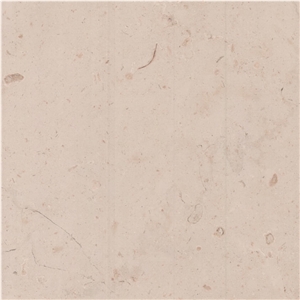
Dietfurt Dolomite

About
Item Details
- Material Type:
- Limestone
- Origin:
Germany (Dietfurt,Treuchtlingen, Altmühltal, Bavaria) - Primary Color(s):
- Beige
- Recommended Usage:
- wash basins, building stone, ornamental stone, stairs, interior, exterior wall and floor applications, mosaic, waterjet pattern, wall panels, table tops, balustrades, columns, wall and pool copings, pool pavers, sculptures, fireplaces
- Additional Names:
- Dietfurt Dolomit Kalkstein, Wachenzell Dolomite, Dietfurt Kalkstein, Dietfurt Limestone, Dietfurt Dolomite
- Finished Surface:
- Polished,Bush Hammered,Tumbled,Brushed,Honed,Split,Machine Cut,Natural Surface,Leathered,Water Jet,Filled,Chiseled,Pickling
Testing
- Water Absorption:
- 1.81 %
- Density:
- 2580 kg/m3
- Flexural Strength:
- 5.9 MPa
- Compressive Strength:
- 134.0 MPa
Description
Dietfurt Dolomite is a limestone quarried in the region of Dietfurt, Treuchtlingen, Altmühltal in Bavaria, Germany. It is renowned for its sophisticated beige and gray color palette, offering an attractive mix of gray and beige tones that give it an elegant appearance. This fossilized beige limestone is highly valued in architecture and design for its aesthetic and physical properties.
Physical and Mechanical Properties
- Water Absorption: 1.81%
- Density: 2580 kg/m³
- Flexural Strength: 5.9 MPa
- Compressive Strength: 134.0 MPa
- Hardness: Generally considered medium, suitable for moderate wear applications
- Porosity: Moderate to low, contributing to its strength and durability
- Slip Resistance: Moderate, varying with surface finish
Chemical and Mineral Composition (approximate % by weight)
- Calcium Carbonate (CaCO₃): Predominantly composed of calcite
- Magnesium Carbonate (MgCO₃): Lesser amount, typical in dolomitic limestones
- Silicon Dioxide (SiO₂): Trace amounts, contributing to the stone's durability
- Iron Oxides (Fe₂O₃): Minor traces, influencing the subtle color variations
Usage
- Interior Applications: Wall cladding, flooring, staircases, and countertops.
- Exterior Applications: Facades, landscaping, and garden features.
- Decoration: Used in ornamental features due to its attractive color palette.
Maintenance
- Cleaning: Requires regular cleaning with pH-neutral cleaners to maintain its appearance.
- Sealing: It is advisable to seal the stone to protect against staining and to enhance its water resistance.
- Surface Care: Avoid harsh chemicals or abrasive materials to prevent scratching or etching.
Cutting Sizes
- Typically available in slabs or tiles cut to standard industry sizes, customized upon request. Common dimensions include:
- Big Slabs: Length and width can vary; usually around 240 x 120 cm
- Tiles: Various sizes such as 30 x 30 cm, 40 x 40 cm, etc.
Common Surface Finishes
- Polished: High gloss finish, enhancing colors and patterns.
- Honed: Smooth, matte finish for a more understated look.
- Brushed: Textured surface, adding a rustic appeal.
- Sandblasted: Rougher finish for added slip resistance.
Dietfurt Dolomite's unique color palette and robust physical characteristics make it a favored choice in both traditional and contemporary design projects. Its timeless elegance, paired with durability, offers versatility for a wide range of aesthetic applications.
FAQ
Dietfurt Dolomite is a type of limestone, and limestone generally has a Mohs hardness of around 3 to 4. A typical kitchen knife has a hardness around 5.5 on the Mohs scale. Therefore, it is possible to scratch Dietfurt Dolomite with a knife.
Do I need a special blade to cut 3cm thick Dietfurt Dolomite tile?
Yes, cutting a 3cm thick Dietfurt Dolomite tile requires a specific type of blade, typically a diamond blade designed for cutting natural stone. Here are some tips for selecting the right blade and cutting the tile:
1. **Diamond Blade**: Use a continuous-rim or segmented diamond blade that is specifically designed for cutting stone or tile. These blades are durable and capable of handling the hardness of dolomite.
2. **Wet Saw**: Consider using a wet saw with a diamond blade. The water helps to keep the blade cool, reduce dust, and minimize the risk of chipping or cracking the tile.
3. **Blade Quality**: Invest in a high-quality blade to ensure clean and precise cuts. Cheaper blades may wear out faster or result in rough edges.
4. **Cutting Speed**: Use a slow and steady feed rate to allow the blade to work through the material without overheating or causing damage to the tile.
5. **Protection Gear**: Wear appropriate safety gear, including eye protection, hearing protection, and gloves, when using power tools.
By using the correct tools and techniques, you can achieve clean and accurate cuts on Dietfurt Dolomite tiles.
How can I clean the grout of antique finish Dietfurt Dolomite tiles?
Cleaning the grout on antique finish Dietfurt Dolomite tiles requires a gentle approach to avoid damaging the tiles or altering their finish. Here are some steps you can take:
1. **Gentle Vacuuming or Sweeping**: Start by removing any loose dirt or debris from the tiles and grout lines with a vacuum cleaner with a soft brush attachment or a soft-bristled broom.
2. **Mild Detergent Solution**: Mix a mild pH-neutral detergent or a stone-specific cleaner with warm water. Avoid acidic or alkaline cleaners, as they can damage natural stone.
3. **Test Spot**: Before applying the cleaning solution to the entire area, test it on a small, inconspicuous area to ensure it does not affect the tiles finish.
4. **Soft Brush Cleaning**: Apply the cleaning solution to the grout lines using a soft-bristle brush or an old toothbrush. Gently scrub the grout, taking care not to scratch the tiles.
5. **Rinse Thoroughly**: After scrubbing, rinse the area well with clean water to remove any soap residues, which can attract more dirt.
6. **Dry Immediately**: Use a soft cloth or towel to dry the tiles and grout to prevent water spots and possible mold growth.
7. **Seal Grout**: Consider applying a grout sealer specifically designed for use with natural stone. This will help protect against future stains and make maintenance easier.
8. **Regular Maintenance**: Regularly clean the tiles and grout lines with a dry mop or a vacuum to minimize the build-up of dirt and debris.
Note: For particularly tough stains or if youre unsure about cleaning products, its best to consult a professional who specializes in cleaning and restoring natural stone.
Does Dietfurt Dolomite paving need sealing?
Dietfurt Dolomite is a type of natural stone that is commonly used for paving and other outdoor applications. Whether it needs sealing depends on several factors, including the specific installation environment and the desired appearance and longevity of the stone.
1. **Porosity**: Dolomite is typically less porous than other stones like limestone or sandstone, but it can still absorb moisture and stains. Sealing can help reduce this porosity and protect the stone from staining.
2. **Protection**: Sealing the stone can provide an extra layer of protection against weathering, stains from oils, grease, and other substances that commonly occur in outdoor settings.
3. **Aesthetics**: Sealing can enhance the color and texture of the stone, giving it a more polished look. Some prefer the natural appearance of unsealed stone, so this is a matter of personal preference.
4. **Maintenance**: Sealing can make the stone easier to clean and maintain, as it creates a barrier that prevents dirt and grime from penetrating the surface.
5. **Environmental Conditions**: In areas with harsh weather conditions, such as freeze-thaw cycles, sealing can help prevent damage by reducing water absorption.
6. **Frequency**: If you decide to seal the paving, it may need to be reapplied periodically (every few years) to maintain its protective qualities.
Ultimately, whether or not to seal Dietfurt Dolomite paving is a decision based on your specific conditions and personal preferences. If youre unsure, consulting with a professional or the supplier of your paving stones can provide guidance tailored to your situation.
Can 5 cm thick Dietfurt Dolomite be used for driveway?
Dietfurt Dolomite is a type of limestone that is well regarded for its durability and aesthetic appeal. However, using 5 cm (or approximately 2 inches) thick slabs for a driveway might not be the best option for a few reasons:
1. **Load-bearing capacity:** Driveways are subject to the weight of vehicles, which can exert considerable pressure. Thicker slabs, typically at least 7.5 to 10 cm (3 to 4 inches), are often recommended to withstand such weight without cracking or breaking.
2. **Durability and longevity:** While Dietfurt Dolomite is durable, the thickness of the stone is a crucial factor. Thinner slabs are more susceptible to damage from the stresses of vehicle traffic, especially if the substrate or base layer is not adequately prepared.
3. **Installation considerations:** Proper installation is critical for any stone used in exterior applications. Without a suitable base or support, even the most durable stones can fail prematurely. Installing thicker slabs can help ensure a more stable driveway.
If you are set on using Dietfurt Dolomite for a driveway, consider consulting with a professional stone supplier or contractor. They can assess your specific needs and conditions and potentially recommend a thicker slab or alternative materials better suited for driveway use.
How thick should Dietfurt Dolomite pool terrace pavers be?
When selecting the thickness for Dietfurt Dolomite pool terrace pavers, a general guideline is to opt for a thickness that ensures durability and stability. Typically, pavers used in pool areas are 1.25 to 2 inches thick (approximately 3 to 5 centimeters). However, the specific thickness can depend on several factors, such as the installation method (e.g., sand bed or mortar set), the expected load or traffic, and any local building codes or regulations.
For areas subject to heavy foot traffic or where outdoor furniture will be used, a thicker paver might be advisable. Additionally, always consult with a professional installer or a structural engineer to ensure the pavers meet all required specifications for safety and longevity in your specific setting.
Can Germany's Dietfurt Dolomite Limestone be used in a bathroom?
Yes, Germanys Dietfurt Dolomite Limestone can be used in a bathroom. Limestone is a popular choice for bathroom surfaces due to its natural beauty and durability. It can be used for bathroom countertops, vanities, and flooring. However, it is important to note that limestone is a porous material, so it requires regular sealing to prevent staining and water absorption. Additionally, it is advisable to avoid using acidic cleaning products on limestone, as they can damage the surface. Overall, with proper care and maintenance, Dietfurt Dolomite Limestone can be an attractive and functional choice for a bathroom.
Can Germany's Dietfurt Dolomite Limestone be used exterior applications in cold climates?
Germanys Dietfurt Dolomite Limestone can be used for exterior applications in cold climates. This type of limestone is known for its durability and resistance to frost. It has been used in a variety of projects around the world, including in countries with cold climates. However, it is always recommended to consult with a professional architect or stone supplier to confirm suitability and ensure proper installation methods specific to the climate and project requirements.
What is the coefficient of friction of Filled Germany's Dietfurt Dolomite Limestone tiles?
To determine the coefficient of friction of a specific type of tile, such as Filled Germanys Dietfurt Dolomite Limestone tiles, you would typically need to consult the manufacturer or supplier for this specific information. Each type of tile may have different characteristics and coefficients of friction that are determined through testing and measurements.
However, generally speaking, natural limestone typically has a coefficient of friction ranging from 0.5 to 0.8. This means that the surface of the limestone has moderate to high friction, which can provide reasonable slip resistance.
Please note that these values are approximate and can vary depending on factors such as surface finish, polishing, and specific variations within the material. It is always recommended to consult the manufacturer or supplier for the most accurate and up-to-date information regarding a specific product.
Are there color variations of Germany's Dietfurt Dolomite Limestone?
Yes, there are color variations in the Dietfurt Dolomite Limestone of Germany. The limestone can occur in various shades of gray, ranging from light gray to dark gray. Additionally, it may have variations in color due to the presence of other minerals and impurities, resulting in some brown, beige, or even reddish-brown tones. These variations in color make the Dietfurt Dolomite Limestone suitable for a variety of architectural and decorative applications.