- Material Type:
- Granite
- Origin:
 Italy (Biella Migliano, Piemonte)
- Primary Color(s):
- Grey
- Recommended Usage:
- Kitchen and bathroom countertops, monuments, building stone, ornamental stone, stairs, interior, exterior wall and floor applications, mosaic, waterjet pattern, wall panels, table tops, window sills, balustrades, columns, wall and pool copings, pool pavers, sculptures, fireplaces, pavers, cobbles, curbstone
- Additional Names:
- Diorite Piemonte Granite, Diorite di Piemonte Granite, Piedmontese Diorite Granite, Tomaino's Diorite Granite, Tomaino Diorite Granite, Diorite di Traversella Granite, Diorite del Piemonte, Diorite del Piemonte Granite
- Finished Surface:
- Polished,Flamed,Bush Hammered,Tumbled,Brushed,Honed,Split,Machine Cut,Natural Surface,Sandblasted,Acid Washing,Combed,Leathered,Water Jet,Filled,Chiseled,Pickling
Description
Diorite del Piemonte is a type of diorite quarried in Biella Migliano, Piemonte, Italy. It is closely related to granite and shares many of its qualities, making it highly sought after in the commercial market. Below is a detailed description, including its physical and mechanical properties, chemical and mineral compositions, usage, maintenance, cutting sizes, and surface finish options.
Physical and Mechanical Properties:
- Water Absorption: 2.91%
- Density: 2805 kg/m³
- Flexural Strength: 20.0 MPa
- Compressive Strength: 201.0 - 219.0 MPa
- Hardness: Comparable to other diorites and granites, which typically have a Mohs hardness of around 6-7.
- Porosity: Low porosity, contributing to its durability and resistance to weathering.
- Slip Resistance: Generally good, but varies with surface finish. Honed and flamed finishes typically offer higher slip resistance.
Chemical and Mineral Compositions (% by weight):
- Feldspar: 50-60%
- Mafic Minerals: 25-35% (includes minerals such as biotite, hornblende)
- Quartz: 5-15%
- Accessory Minerals: Trace amounts of minerals such as magnetite, apatite
Detailed Usage:
- Interior Applications: Used for flooring, countertops, vanity tops, and wall cladding.
- Exterior Applications: Suitable for facade cladding, paving, and outdoor surfaces due to its durability.
- Monuments and Sculptures: Due to its aesthetic appeal and strength.
- Public Spaces: Often utilized in high-traffic areas due to its robustness.
Maintenance:
- Regular Cleaning: Use pH-neutral cleaners to avoid damaging the surface.
- Sealing: Periodic sealing is recommended to protect against staining and moisture penetration, especially in high-use areas.
- Avoid Abrasive Cleaners: To prevent surface scratching.
Available Common Surface Finish Options:
- Polished: Provides a high-gloss finish that enhances the stone's natural patterns.
- Honed: Offers a smooth, matte finish, ideal for floors and countertops.
- Flamed: Achieves a rough texture, increasing slip resistance, perfect for outdoor use.
- Brushed: Gives a slightly textured finish that is softer to the touch.
- Bush-Hammered: Delivers a rugged surface, often used for exterior paving.
Aesthetic Description:
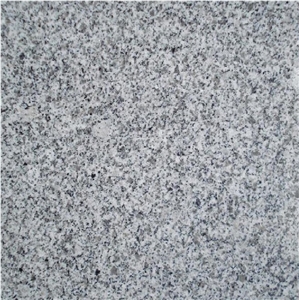
- Color: Predominantly grey to medium-dark grey with subtle tonal variations.
- Appearance: Features a naturally mottled appearance with scattered darker mineral grains.
- Accent Specks: Sometimes accompanied by lighter beige or pale grey crystalline specks, adding a balanced contrast.
Diorite del Piemonte Granite's combination of aesthetic appeal, durability, and versatility makes it an excellent choice for a variety of architectural and decorative applications. Its strong physical properties ensure long-lasting performance, even in challenging environments.
Test Result
- Petrographic Definition: Diorite
- Mass per Unit Volume: 2,805 kg/m³
- Water Absorption: 2.91%
- Compressive Strength (Uniaxial): 219 MPa
- Compressive Strength after Freeze-Thaw: 201 MPa
- Tangent Elastic Modulus: 45,700 MPa
- Secant Elastic Modulus: 42,300 MPa
- Indirect Tensile Strength (Flexural): 20 MPa
- Relative Abrasion Coefficient (referenced to St. Fedelino Granite): 0.85
- Impact Resistance (Minimum Drop Height): 90 cm
- Coefficient of Linear Thermal Expansion: 7.6 × 10⁻⁵ °C⁻¹
- Knoop Microhardness: 4,776 MPa
- Hardness Non-Uniformity Index: 1.30
- Source: Politecnico di Torino


 China
 India


 United States

 Spain


 Brazil

 Australia

