Diorite di Traversella
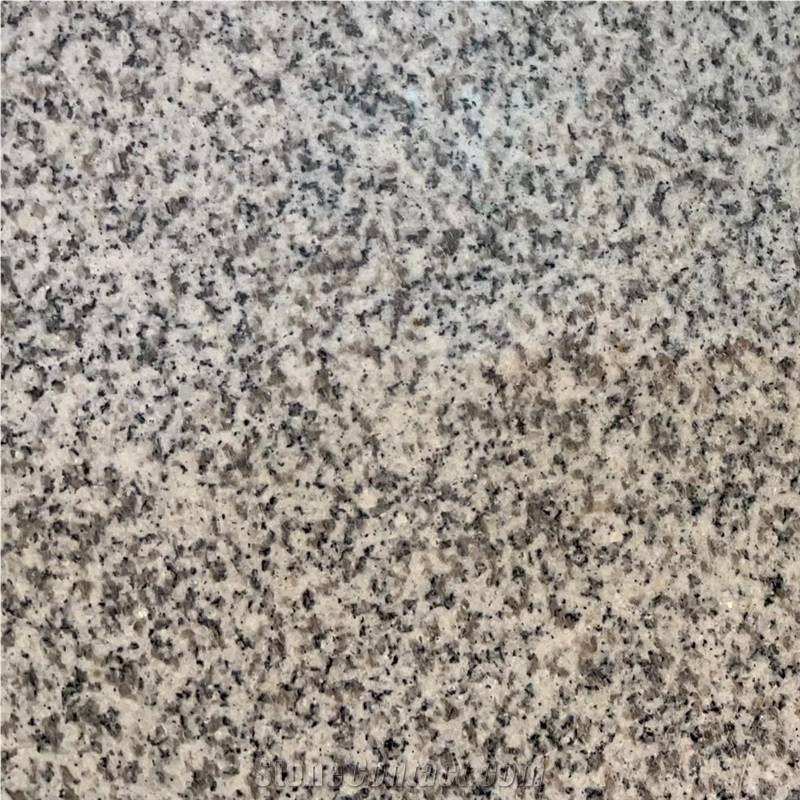
Diorite di Traversella Granite is a notable type of diorite that originates from the quarry in Traversella, Vico Canavese in the Province of Torino, Piemonte, Italy. It is recognized for its robust physical characteristics and distinctive aesthetics. Below is a detailed description encompassing its properties, compositions, uses, and other related information.
Physical and Mechanical Properties
- Color: Predominantly grey, ranging from light to dark grey.
- Water Absorption: 0.21%
- Density: 2750 kg/m³
- Flexural Strength: 19.3 MPa
- Compressive Strength: 171.0 - 191.0 MPa
- Hardness: Hard, due to dense interlocking mineral matrix.
- Porosity: Low, enhancing its durability.
- Slip Resistance: Generally good, but depends on surface finish.
Chemical and Mineral Composition (% by weight)
- Plagioclase Feldspar: Majority composition, ensures the compact structure.
- Amphibole: Prominent component contributing to the darker mineral tones.
- Biotite: Presence contributes to the grainy texture and darker hues.
- Quartz: Small amounts provide additional strength and a subtle sheen.
- Potassium Feldspar: Minor presence, offering slight color variations.
Uses
- Interior Applications: Suitable for flooring, countertops, and wall cladding due to its aesthetic appeal and durability.
- Exterior Applications: Ideal for facade cladding and outdoor paving, owing to its weather-resistant properties.
- Monumental and Sculptural Works: Used in statues and monuments for its workability and enduring beauty.
Maintenance
- Cleaning: Regular cleaning with a mild detergent and water. Avoid acidic or harsh chemical cleaners to maintain surface integrity.
- Sealing: Occasional sealing recommended to enhance stain resistance, especially in high-use areas like countertops.
Cutting Sizes (cm)
Diorite di Traversella Granite can be cut into various dimensions tailored to specific project needs, commonly available in:
- Slabs: Varying thickness, usually between 2 cm to 3 cm.
- Tiles: Common sizes include 30x30, 30x60, 60x60 cm, etc.
Surface Finish Options
- Polished: Brings out the full color and grains, ideal for interior spaces.
- Honed: Provides a matte finish with reduced glare, suitable for conventional flooring.
- Flamed: Enhances slip resistance, often used for outdoor paving.
- Bush-Hammered: A textured finish that offers a rustic look, also improving traction.
Diorite di Traversella Granite is a versatile material well-suited for both architectural and decorative applications, thanks to its durable nature, aesthetic flexibility, and the ability to withstand various environmental conditions.
Test Result:
- Petrographic Definition: Quarziodiorite
- Mass Unit Volume: 2750 kg/m³
- Water Absorption: 0.21 %
- Compressive Strength (Simple Compression): 191 MPa
- Compressive Strength After Freeze–Thaw: 171 MPa
- Indirect Tensile Strength (Flexural): 19.3 MPa
- Relative Abrasion Coefficient (referenced to Granite St. Fedelino): 0.65
* Source: Archivio Azienda Vuillermin Gualtiero & Figli Srl


 Italy


 China
 India


 United States

 Spain


