Post Your Needs

Donnybrook Sandstone

Beige - Sandstone

Australia

About

Item Details

Material Type:
Sandstone
Origin:
Australia (Donnybrook, Bunbury, 250 km s. Perth, Western Australia)
Primary Color(s):
Beige
Recommended Usage:
Monuments, building stone, ornamental stone, stairs, interior, exterior wall and floor applications, mosaic, wall panels, reliefs, window sills, balustrades, columns, wall and pool copings, pool pavers, sculptures, fireplaces, cobbles, pavers, curbstone
Additional Names:
Donnybrook Wooden Sandstone, Acrogem Sandstone, Beelerup Sandstone, Australian Wood Sandstone, Australian Sandstone, in China Stone Market:澳洲砂岩(Àozhōu Shāyán), Donnybrook Sandstone
Finished Surface:
Bush Hammered,Tumbled,Brushed,Honed,Split,Machine Cut,Natural Surface,Sandblasted,Acid Washing,Combed,Leathered,Filled,Chiseled,Pickling

Testing

Water Absorption:
3.5 %
Density:
2400 kg/m3
Flexural Strength:
12 MPa
Compressive Strength:
70 MPa
Stone texture:
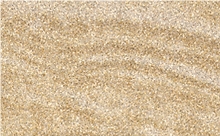
fine- to medium-grained natural stone, quarried in Western Australia, known for its beige, yellow, or brown tones and distinctive grain or vein patterns that often resemble wood

Description

Donnybrook Sandstone is a fine- to medium-grained natural stone known for its aesthetic appeal and versatility in various construction and architectural applications. Quarried in Donnybrook, Bunbury, located approximately 250 km south of Perth in Western Australia, this sandstone is renowned for its distinctive appearance, which often includes grains or vein patterns that resemble wood.

Colors:

  • Beige
  • Yellow
  • Brown

Physical and Mechanical Properties:

  • Water Absorption: 3.5%
  • Density: 2400 kg/m³
  • Flexural Strength: 12 MPa
  • Compressive Strength: 70 MPa
  • Hardness: Typically measured on the Mohs scale; generally around 6-7 for sandstones, though specific metrics might be available from testing.
  • Porosity: Generally varies but can be notable in sandstones; important for determining absorption.
  • Slip Resistance: Varies based on surface finish; generally considered good for sandstones.

Chemical and Mineral Composition:

  • Silica (SiO₂): Predominantly comprises quartz, a major component, often contributing over 90% by weight.
  • Feldspar: A significant mineral component in many sandstones.
  • Iron Oxides: Present in smaller quantities, often contribute to the stone's color variations, particularly the yellows and browns.
  • Clay Minerals: Can be present in smaller quantities, affecting porosity and durability.

Usage:

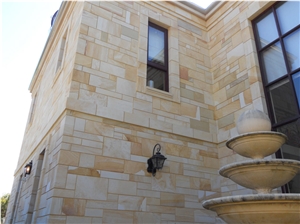
  • Construction: Used for building walls, foundations, and cladding due to its aesthetic appeal and durability.
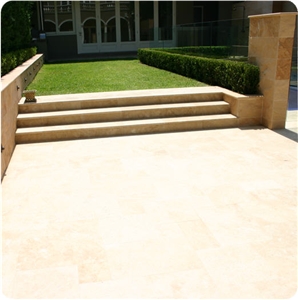
  • Paving: Effective for pathways and patios, offering both beauty and slip resistance.
  • Landscaping: Utilized in creating retaining walls, garden beds, and decorative features.
  • Interior: Used for flooring, countertops, and decorative wall features, benefiting from its unique patterns.
  • Monumental and Sculptural: Suitable for carving and shaping into monuments, sculptures, and other artistic elements.

Maintenance:

  • Sealing: Recommended to protect against stains and weathering, particularly for exterior applications.
  • Cleaning: Regular cleaning with gentle, pH-balanced cleaners; avoid acidic or abrasive cleaners to prevent surface damage.
  • Inspection and Repair: Periodic inspections to ensure no structural issues; small chips or scratches should be repaired promptly.

Cutting Sizes (cm):

  • Tiles, slabs, and blocks are available; specific sizes vary by quarry and manufacturer.
  • Common dimensions range from small tiles (30x30, 60x60) to larger slabs (100x100, 200x100).
  • Custom sizes are often available to meet specific project requirements.

Available Common Surface Finish Options:

  • Honed: Smooth, matte finish that offers a sleek, modern look.
  • Polished: High-gloss finish enhances color and patterns but may be less suitable for high-traffic areas due to reduced slip resistance.
  • Sandblasted: Provides a textured, non-slip surface ideal for external applications.
  • Bush Hammered: Features a rugged surface that enhances slip resistance and is suited for outdoor use.
  • Natural/Cleft: Retains the stone's natural texture, offering a rustic appearance.

Overall, Donnybrook Sandstone is a versatile, durable choice for a variety of architectural and decorative applications, combining aesthetic appeal with practical performance. Proper maintenance and selection of finish options ensure its longevity and visual impact in both interior and exterior settings.

FAQ

Can Australia's Donnybrook Sandstone be used in landscaping?

Yes, Australias Donnybrook Sandstone can be used in landscaping. Donnybrook Sandstone is a durable and versatile natural stone that can be used for a variety of landscaping purposes such as retaining walls, paving, garden edging, stepping stones, and decorative features. It is known for its unique warm colors and natural textures, which make it a popular choice for adding character and natural beauty to outdoor spaces.

Can Australia's Donnybrook Sandstone be used exterior applications in very sunny climates?

Yes, Australias Donnybrook Sandstone can be used for exterior applications in very sunny climates. Donnybrook Sandstone is known for its natural durability and resistance to weathering, making it suitable for use in various outdoor applications, including building facades, cladding, paving, and landscaping. It can withstand exposure to sunlight and high temperatures commonly found in sunny climates without significant deterioration or color fading. However, it is always recommended to consult with professionals and follow proper installation and maintenance practices to ensure the best performance of the material.

Can Australia's Donnybrook Sandstone be used in a dining room?

Yes, Australias Donnybrook Sandstone can be used in a dining room. It is a versatile and durable natural stone that can be utilized for a range of purposes, including flooring, countertops, and wall cladding. Donnybrook Sandstones natural beauty and warm tones make it a popular choice for interior design projects, including dining rooms. Its unique texture and color variations can add an elegant and sophisticated touch to the overall decor of the dining room.

Can Australia's Donnybrook Sandstone be used outdoors?

Yes, Australias Donnybrook Sandstone can be used outdoors. Donnybrook Sandstone is a durable and weather-resistant stone that can withstand the elements and is commonly used in landscape and architectural applications such as paving, wall cladding, and outdoor structures like retaining walls, steps, and benches. It is known for its natural beauty, warm colors, and unique texture, making it a popular choice for outdoor projects in Australia.

How thick is Australia's Donnybrook Sandstone slabs?

I cannot access current information. However, according to general data, the thickness of Australias Donnybrook Sandstone slabs ranges from 15 to 30 centimeters, depending on the specific application and project requirements.

What grade is Australia's Donnybrook Sandstone?

I dont have the most up-to-date information on Donnybrook Sandstones grade. However, I can tell you that Donnybrook Sandstone ranges from a light cream to a deep yellow hue and is known for its durability and strength. It is commonly used in construction and landscaping projects.

Are there color variations of Australia's Donnybrook Sandstone?

Yes, there are color variations of Australias Donnybrook Sandstone, ranging from light cream to yellow, pink, and even red shades. The color variation depends on the mineral content of the sandstone and the geological conditions under which it formed. The colors are often mottled, giving the stone a unique and diverse appearance.

Is Australia's Donnybrook Sandstone an expensive stone?

I do not have access to up-to-date information regarding pricing and market condition changes. However, generally speaking, Donnybrook Sandstone can be considered an expensive stone due to its high-quality and unique color and texture. The final price of the stone will depend on a variety of factors such as availability, demand, location, and shipping costs. Its always recommended to do thorough research and compare prices and quality before making a final decision.

Customer reviews

Sim****

Australia, 2025-05-12

A) Please can we get a quote on the following Donybrook sandstone: 1) 50mm thick in 600x900 format 2) 75mm thick in 900x1200 format 3) 100mm thick in 900x1200 format B) are the above format sizes common? If not please can you comment on the dimensions and what would normally be supplied for cladding? C) Can you provide samples / photos of the colour that can be ordered from the current quary face and comment on how that could change in the next year or two
Helpful (0) 1

Customer reviews

Write a Review
Sim**** Australia

A) Please can we get a quote on the following Donybrook sandstone: 1) 50mm thick in 600x900 format 2) 75mm thick in 900x1200 format 3) 100mm thick in 900x1200 format B) are the above format sizes common? If not please can you comment on the dimensions and what would normally be supplied for cladding? C) Can you provide samples / photos of the colour that can be ordered from the current quary face and comment on how that could change in the next year or two

Helpful (0) 1Reply
Dan****

Hello, please contact [email protected] for any future enquirys

Chr**** Australia

Can I buy Donnybrook Sandstone direct from the factory?

Helpful (1) 1Reply
Dan****

Hello, please contact [email protected] for any future enquirys

Products & Prices

View More

Hot Beige Sandstone

New Sandstone

Post Your Request

The request includes:
  1. surface finished, size
  2. quantity required