Post Your Needs

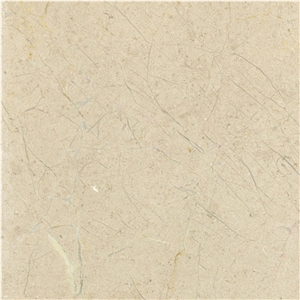
Dyno Beige Marble

Beige - Marble

Oman

About

Item Details

Material Type:
Marble
Origin:
Oman
Primary Color(s):
Beige
Recommended Usage:
kitchen and bathroom countertops, monuments, stairs, building stone, ornamental stone, interior, exterior wall and floor applications, mosaic, waterjet pattern
Additional Names:
Oman Beige Marble, Dyno Beige Marble
Finished Surface:
Polished,Flamed,Bush Hammered,Tumbled,Brushed,Honed,Split,Machine Cut,Natural Surface,Sandblasted,Acid Washing,Combed,Leathered,Water Jet,Filled,Chiseled,Pickling

Testing

Water Absorption:
0.4 %
Density:
2669 Kg/m3
Flexural Strength:
7-10 MPa
Compressive Strength:
170.0 MPa

Description

Dyno Beige Marble is a luxurious natural stone quarried in Oman, known for its elegant wooden vein texture and rich earth tones. The marble features a dark earth beige color, which provides a warm, sophisticated look ideal for various architectural and design applications.

Physical and Mechanical Properties:

  • Water Absorption: 0.4% - This low absorption rate indicates good resistance to liquid penetration, making it suitable for both interior and exterior applications.
  • Density: 2669 Kg/m³ - This high density signifies strength and durability.
  • Flexural Strength: (Specific value not provided; generally ranges from 7-10 MPa for similar marbles) - Important for applications involving bending stress.
  • Compressive Strength: 170.0 MPa - Reflects the marble's ability to withstand heavy loads.
  • Hardness: (Specific value not provided; generally around 3-4 on the Mohs scale for marble) - Suggesting moderate scratch resistance.
  • Porosity: Low - Ensures minimal water and dirt retention, contributing to durability and ease of maintenance.
  • Slip Resistance: (Specific value not provided; however, polished surfaces are naturally less slip-resistant) - Often adjusted through surface finishing.

Chemical and Mineral Composition:

  • Calcium Carbonate (CaCO3): Predominantly around 95% - Forms the base composition of most marbles.
  • Silica (SiO2): 1-3% - Contributes to durability.
  • Iron Oxides (Fe2O3): Around 0.5-2% - Influences color variation and veining.
  • Other Minerals: Small amounts of clay, silt, and various trace elements.

Usage:

  • Interior Applications: Flooring, wall cladding, countertops, staircases, and bathroom vanities.
  • Exterior Applications: Facades, garden paths, and outdoor decorative elements.
  • Artistic Uses: Sculptures and decorative pieces.

Maintenance:

  • Routine Cleaning: Use a pH-neutral stone cleaner and a soft cloth.
  • Sealing: Regularly apply a high-quality sealant to protect against stains and etching.
  • Avoid: Acidic or abrasive cleaners that can damage the marble’s surface.

Cutting Sizes (cm):

  • Standard tiles: 30x30, 30x60, 60x60
  • Slabs: Custom sizes available, typically around 2-3 cm thick.

Available Surface Finish Options:

  • Polished: High gloss, enhances color and veining, less slip-resistant.
  • Honed: Smooth with a matte finish, provides a softer look.
  • Brushed: Textured surface increasing slip resistance.
  • Sawn: Natural and rough surface emphasizing natural beauty.
  • Sandblasted: Rough texture suitable for slip resistance.

Dyno Beige Marble offers a versatile option for high-end design, combining aesthetic appeal with robust physical properties. Its versatility in cutting sizes and various finishes make it suitable for numerous applications, while its low porosity and high compressive strength ensure long-term performance. Maintenance is straightforward, keeping the stone’s natural beauty intact for years.

FAQ

Does Dyno Beige Marble leave water spots?

Marble is generally known to be sensitive to water spots, which can occur for various reasons such as hard water or impurities in the water. It is recommended to promptly wipe up any spills or standing water from marble surfaces to prevent water spots from occurring. Its best to check with the manufacturer or refer to user reviews for the Dyno Beige Marble product specifically to determine if it is prone to water spots or if any special care instructions are provided.

Does chlorine damage Dyno Beige Marble?

Chlorine can potentially damage Dyno Beige Marble if proper precautions are not taken. Marble, in general, is sensitive to acidic substances like chlorine bleach, which can etch or discolor the surface of the stone. It is important to avoid direct contact between chlorine and marble surfaces to prevent any potential damage.

What happens to Dyno Beige Marble when it gets wet?

When Dyno Beige Marble gets wet, it typically undergoes a physical change in appearance and may also be affected chemically. Heres what commonly happens: 1. Appearance: The wet marble tends to darken in color, revealing more prominent veining and patterns. The intensity of the color change depends on the particular type of Dyno Beige Marble and its porosity. 2. Surface Texture: Wetting the marble may cause the surface to become smoother and shinier due to the water filling in tiny pores and imperfections. This effect can highlight the natural beauty of the stone. 3. Stain absorption: Marble is a porous material, and when it gets wet, it becomes more susceptible to absorbing liquids. This increased absorption makes the marble more vulnerable to staining from spills or other liquid sources. It is recommended to promptly clean any spills on marble to minimize the risk of permanent staining. 4. Durability: Excessive water exposure over time may harm the structural integrity of the marble, leading to damage such as cracks, erosion, or surface deterioration. It is advisable to avoid extended or continuous contact with water, especially in areas with high moisture levels. Overall, Dyno Beige Marble can handle occasional water exposure without significant damage, but prolonged or excessive contact should be avoided to preserve its beauty and longevity. Regular sealing and maintenance can help protect the marble against stains and other water-related issues.

Can Dyno Beige Marble be used as terrace pavers?

Yes, Dyno Beige Marble can be used as terrace pavers. Marble is a durable and versatile material that can withstand outdoor elements. It can be used to create elegant and stylish terrace paving. However, it is important to ensure proper installation and sealing to protect the marble from stains and damage caused by weather conditions. Additionally, regular maintenance and cleaning may be required to keep the marble pavers in good condition.

Is travertine better than Dyno Beige Marble around pools?

Travertine and Dyno Beige Marble are both popular choices for pool areas and have their own unique characteristics. Travertine is a type of limestone that is known for its natural beauty and durability. It has a matte finish and comes in a range of colors, from light beige to dark brown. Travertine has a porous surface, which allows it to absorb water and prevent it from becoming slippery. It also stays cool to the touch, making it comfortable for bare feet in hot weather. Additionally, travertine is resistant to pool chemicals and can withstand the outdoor elements well. Dyno Beige Marble, on the other hand, is a type of marble that has a beige color with subtle veins running through it. Marble is a natural stone that is visually stunning and can add a luxurious touch to any space. However, marble is more porous than travertine, making it more prone to staining and etching from pool chemicals. It may also become slippery when wet. In terms of maintenance, travertine tends to be more forgiving and easy to maintain compared to marble. It requires regular sealing to prevent staining or discoloration, but it generally withstands the test of time well. Ultimately, the choice between travertine and Dyno Beige Marble would depend on personal preference and the specific needs of your pool area. It is recommended to consult with a professional to assess factors such as climate, foot traffic, and maintenance requirements before making a decision.

Is polished Dyno Beige Marble slippery around a pool deck?

Polished Dyno Beige Marble, like most marble surfaces, can be slippery when wet. Marble is a naturally smooth material, and when combined with water, it can become slick. Therefore, it is important to exercise caution when walking on polished Dyno Beige Marble around a pool deck, as it could pose a slipping hazard. To minimize the risk of slipping, it is recommended to use rugs or non-slip mats in areas prone to water accumulation and to ensure the surface is well-maintained and free from any kind of debris or spills.

Can Dyno Beige Marble be used in a swimming pool?

Yes, Dyno Beige Marble can be used in a swimming pool. Marble is a popular choice for pool surfaces due to its durability, resistance to chemicals, and aesthetic appeal. However, it is important to ensure that the marble is properly sealed to prevent water absorption and potential staining over time. Additionally, the finish of the marble, whether it be polished or honed, can affect its slip resistance and should be considered when selecting it for a swimming pool.

Is Dyno Beige Marble good for swimming pool coping?

Dyno Beige Marble can be a viable option for swimming pool coping, but there are a few factors to consider before making a decision. 1. Slip Resistance: It is crucial to ensure that the coping material has a textured surface and provides adequate slip resistance to prevent accidents around the pool area. 2. Heat Resistance: Marble is a natural stone and can absorb heat, so it is essential to choose a light-colored marble like Dyno Beige to minimize heat absorption and keep the coping cool under direct sunlight. 3. Maintenance: Marble requires regular sealing and maintenance to keep it in top condition, especially in a high-moisture environment like a swimming pool. Be aware that regular cleaning and sealing may be necessary to prevent staining and deterioration. 4. Aesthetics: Dyno Beige Marble offers a beautiful and elegant appearance, which can enhance the overall aesthetic appeal of the pool area. 5. Cost: Marble tends to be more expensive than other coping materials such as concrete or natural stone. Consider your budget and other available options. Ultimately, Dyno Beige Marble can be a good choice for swimming pool coping if you prioritize aesthetics and are willing to invest in proper maintenance to keep it in optimal condition.

How do I clean Dyno Beige Marble outdoor stairs?

To clean outdoor stairs made of Dyno Beige Marble, you can follow these steps: 1. Begin by removing any loose dirt or debris from the stairs using a broom or a brush. This will help prevent scratches during the cleaning process. 2. Fill a bucket with warm water and add a few drops of mild dish soap or a pH-neutral stone cleaner. Avoid using harsh chemicals or acidic cleaners as they can damage the marble. 3. Dip a soft-bristle brush or a mop into the soapy water and gently scrub the stairs in small sections. Make sure to cover the entire surface and pay extra attention to any stained or dirty areas. 4. After scrubbing, rinse the stairs thoroughly with clean water to remove all the soap residue. You can use a hose or a pressure washer on a low setting for a more thorough rinse. 5. If there are any stubborn stains or embedded dirt, you can create a paste by mixing baking soda with water. Apply the paste to the stained areas and gently scrub with a soft brush. Let it sit for a few minutes, then rinse off with clean water. 6. Once the stairs are cleaned, use a soft cloth or a mop to remove excess water and allow them to air dry. Avoid using any abrasive materials that can scratch the marble. 7. As a final step, you can apply a marble sealer specifically designed for outdoor use. This will help protect the marble from staining and make future cleaning easier. Remember to consult the manufacturers guidelines for the best cleaning practices specific to Dyno Beige Marble, as certain variations may have specific requirements.

Is Dyno Beige Marble good for stairs?

Yes, Dyno Beige Marble can be a good choice for stairs. It is known for its durability, elegance, and versatility, which makes it suitable for various applications, including stairs. Its natural beige color and unique veining patterns add a touch of sophistication to any staircase. Additionally, marble is typically resistant to scratches and stains, making it a long-lasting option for high-traffic areas like stairs.

Products & Prices

Hot Beige Marble

New Marble

Post Your Request

The request includes:
  1. surface finished, size
  2. quantity required