Post Your Needs

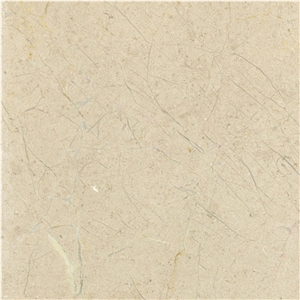
Egyptian Beige Marble

Beige - Marble

Egypt

About

Item Details

Material Type:
Marble
Origin:
Egypt (Eastern Desert)
Primary Color(s):
Beige
Recommended Usage:
Building stone,countertops, sinks, monuments, pool coping, sills, ornamental stone, interior, exterr
Additional Names:
Golden Cream Marble, Sunny Beige, Sunny Marble, Golden Cream Light Marble, Golden Cream Silvia Marble, Golden Cream Egypt Marble, Golden Cream Isis Marble, Egypt Beige Marble, Egyptian Light Beige Marble, in China stone market:埃及米黄(āijí mǐhuáng), Egyptian Beige Marble
Finished Surface:
Polished, Sawn Cut, Sanded, Rockfaced, Sandblasted, Tumbled

Testing

Water Absorption:
0.42 %
Density:
2650 kg/m3
Flexural Strength:
10.8 MPa
Compressive Strength:
97.8 MPa

Description

Egyptian Beige is a kind of beige marble quarried in Egypt. This stone is especially good for Building stone,countertops, sinks, monuments, pool coping, sills, ornamental stone, interior, exterr and other design projects. It also called Golden Cream Marble,Sunny Beige,Sunny Marble,Golden Cream Light Marble,Golden Cream Silvia Marble,Golden Cream Egypt Marble,Golden Cream Isis Marble,Egypt Beige Marble,Egyptian Light Beige Marble,in China stone market:埃及米黄(āijí mǐhuáng) . Egyptian Beige Marble can be processed into Polished, Sawn Cut, Sanded, Rockfaced, Sandblasted, Tumbled and so on.

FAQ

Do Egyptian Beige Marble countertops scratch easily?

Egyptian Beige Marble countertops can be prone to scratching, particularly when they are not properly sealed or maintained. Marble is a relatively soft and porous natural stone, which makes it more susceptible to scratches and etching from sharp objects, acidic spills, or abrasive materials. To minimize scratches on Egyptian Beige Marble countertops, it is essential to use cutting boards, avoid placing hot objects directly on the surface, clean up spills promptly, and use non-abrasive cleaning products. Regular sealing and polishing of the marble surface can also help protect it from scratches and maintain its appearance.
Is Egyptian Beige Marble suitable for kitchen countertops?

Yes, Egyptian Beige Marble is suitable for kitchen countertops. It is a durable and high-quality marble that can withstand the daily use and wear of a kitchen. It has a classic and elegant look, making it a popular choice for kitchen countertops. However, it is important to properly seal and maintain the marble to ensure its longevity and to prevent staining or etching from acidic substances.

How often do I need to seal Egyptian Beige Marble floor?

The frequency of sealing Egyptian Beige Marble floors may vary depending on factors such as foot traffic, spills, and maintenance routines. However, it is generally recommended to seal marble floors every 6-12 months to maintain their beauty and protect them from stains, scratches, and etching. It is also advisable to reseal the marble if water no longer beads up on the surface when splashed on it. Ultimately, following the manufacturers instructions and consulting with a professional can help determine the best sealing schedule for your specific marble floor.

How can I make Egyptian Beige Marble floors not slippery?

There are a few options to make Egyptian Beige Marble floors less slippery: 1. Use non-slip adhesives: Apply non-slip adhesive strips or mats to the areas of the floor that are most prone to slipping, such as entryways or high traffic areas. These adhesives provide friction and increase traction, reducing the chances of slipping. 2. Apply an anti-slip sealant: Use an anti-slip sealant specifically designed for marble surfaces. These sealants create a textured surface that enhances traction. It is important to make sure the sealant is compatible with the Egyptian Beige Marble and follow the manufacturers instructions. 3. Add rugs or mats: Place rugs or mats in areas where slipping is a concern. These provide additional traction and absorb any moisture that may contribute to slippery surfaces. 4. Clean spills immediately: Promptly clean up any spills on the marble floor to prevent moisture from making the surface slippery. Use a mild cleaner suitable for marble and dry the area thoroughly. 5. Maintain the floors cleanliness: Regularly sweep or vacuum the floor to remove any dust or dirt that may contribute to a slippery surface. This will help maintain the natural texture of the marble, which can provide better traction. 6. Use proper footwear: Encourage people to wear non-slip shoes or slippers when walking on the marble floors. Some footwear materials have better traction that can help prevent slipping accidents. Its essential to keep in mind that no method can completely eliminate the risk of slipping on a polished marble floor, as it naturally has a smooth surface. Therefore, implementing multiple methods for reducing slipperiness will provide the best results. Additionally, consult with a professional floor installer or a marble specialist to ensure the chosen method is suitable for your specific marble type and condition.

Is polished Egyptian Beige Marble too slippery?

Polished Egyptian Beige Marble can be slippery when it is wet or polished, especially if it is installed in areas where water is frequently present, such as bathrooms, kitchens, or swimming pool decks. However, the slipperiness can be reduced by using specially designed non-slip treatments or adding mats or rugs in areas where water is likely to accumulate.

Is honed Egyptian Beige Marble floor slippery when wet?

Marble floors, including honed Egyptian Beige Marble, can become slippery when wet. The natural polished surface of marble does not provide a high level of traction, and water can further reduce grip on the surface. It is advisable to take precautions when walking on marble floors that are wet to avoid slipping and falling.

Are Egyptian Beige Marble steps slippery?

Egyptian Beige Marble is typically not slippery. However, the slipperiness of any marble steps can vary depending on factors such as the finish and the degree of polish. If the marble is highly polished, it may become slightly more slippery, especially when wet. It is always recommended to exercise caution when walking on any marble steps, particularly if they are wet or if you are wearing footwear with smooth soles.

What are the disadvantages of Egyptian Beige Marble flooring?

1. Prone to scratching: Egyptian Beige Marble is known to be a relatively softer material compared to other types of marble, making it more susceptible to scratches and damage from everyday use. Heavy furniture or sharp objects may leave visible marks on the surface if not handled with caution. 2. Staining: Marble is a porous material, and Egyptian Beige Marble is no exception. This means that it can absorb liquids and materials that may cause permanent staining. Spilled liquids like red wine, acidic substances, or oils can seep into the pores and create stubborn stains that are difficult to remove. 3. High maintenance: Egyptian Beige Marble requires regular and thorough maintenance to keep its shine and appearance intact. This includes regular sealing to prevent stains and seal the pores, as well as frequent polishing to maintain its luster. The need for ongoing maintenance and professional cleaning can increase the overall cost and effort required to keep the flooring looking its best. 4. Slippery when wet: As with any smooth and polished surface, Egyptian Beige Marble can become slippery when wet. This can pose a potential safety hazard, especially in areas such as bathrooms or kitchens. Extra caution and the use of rugs or mats may be necessary to prevent accidents. 5. Limited color variations: While Egyptian Beige Marble has its own unique beauty, it is limited in terms of color options. If you are looking for a floor with a wider range of colors and patterns, other marbles or flooring materials may offer more choices. 6. Cost: Egyptian Beige Marble tends to be relatively expensive compared to other flooring options. The cost of the material itself, along with the professional installation and ongoing maintenance, can add up significantly. It may not be a suitable choice for those on a tight budget.

What is better for stairs Egyptian Beige Marble or granite?

The choice between Egyptian Beige Marble and granite for stairs ultimately depends on personal preference and specific requirements. Here are some factors to consider: 1. Aesthetics: Egyptian Beige Marble has a unique elegance and smooth, creamy appearance, while granite comes in a wider range of colors and patterns. Consider the overall style and color palette of your space. 2. Durability: Both materials are durable, but granite is generally more resistant to scratches, heat, and stains. This can be an important factor if your stairs will experience heavy foot traffic or potential spills. 3. Maintenance: Marble requires regular sealing and more delicate care to avoid etching or staining. Granite is relatively easier to maintain, requiring less frequent sealing and being more resistant to staining. 4. Cost: The cost of Egyptian Beige Marble and granite can vary depending on the specific type and quality. In general, granite tends to be more affordable, but premium types of marble may be more expensive. 5. Lighting: Consider the lighting conditions of the staircase area. Marble, with its natural elegance and ability to reflect light, can brighten up darker spaces and create a more luminous look. Ultimately, it is recommended to visit showrooms or view samples of Egyptian Beige Marble and granite to determine which material aligns better with your personal taste, budget, and practical considerations.

Products & Prices

View More

Hot Beige Marble

New Marble

Post Your Request

The request includes:
  1. surface finished, size
  2. quantity required