Ekachai Red Granite

About
Item Details
- Material Type:
- Granite
- Origin:
Thailand (Prachuap Khiri Khan) - Recommended Usage:
- Kitchen and bathroom countertops, monuments, building stone, ornamental stone, stairs, interior, exterior wall and floor applications, mosaic, waterjet pattern, wall panels, table tops, window sills, balustrades, columns, wall and pool copings, pool pavers, sculptures, fireplaces, pavers, cobbles, curbstone
- Additional Names:
- Thai Red Granite, Prajoub Manichoat Granite, in China stone market:意可采红(Yì kě cǎi hóng), Ekachai Red Granite
- Finished Surface:
- Polished,Flamed,Bush Hammered,Tumbled,Brushed,Honed,Split,Machine Cut,Natural Surface,Sandblasted,Acid Washing,Combed,Water Jet,Filled,Chiseled,Pickling
Testing
- Water Absorption:
- 0.15–0.35 % by weight
- Density:
- 2650–2750 Kg/m³
- Flexural Strength:
- 16–20 MPa
- Compressive Strength:
- 180–190 MPa
Description
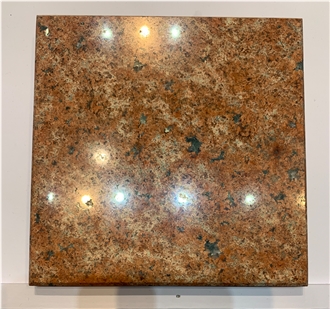
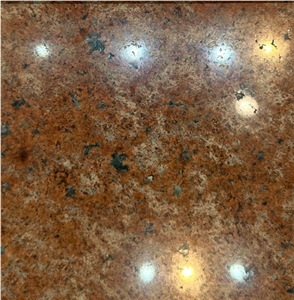
Ekachai Red Granite is a medium- to coarse-grained crystalline granite characterized by a warm reddish-brown base accented with scattered, irregular mineral inclusions in deep green, along with lighter gray and off-white speckles. This natural contrast gives the stone a lively yet balanced appearance, making it suitable for both traditional and contemporary architectural applications.
Texture
- Medium to coarse crystalline texture
- Dense, interlocking mineral structure
- Hard, compact surface with high durability
- Smooth and reflective when polished; natural and tactile in textured finishes
Pattern
- Granular, non-directional pattern
- Moderate natural movement
- Even distribution of mineral grains with occasional darker inclusions
- Consistent appearance across slabs and tiles
Typical Technical Test Results
(Indicative values; may vary slightly depending on quarry block and testing standard)
- Bulk Density: 2.65–2.75 g/cm³
- Water Absorption: 0.15–0.35 % by weight
- Compressive Strength: 180–190 MPa
- Flexural Strength: 16–20 MPa
- Abrasion Resistance: High, suitable for heavy-traffic areas
- Mohs Hardness: 6–7 Excellent resistance to scratching, impact, and wear.
Chemical Composition (approx. % by weight)
- Silicon Dioxide (SiO₂): 65–70%
- Aluminum Oxide (Al₂O₃): 14–16%
- Potassium Oxide (K₂O): 4–6%
- Sodium Oxide (Na₂O): 3–5%
- Iron Oxides (Fe₂O₃): 3–5%
- Calcium Oxide (CaO): 1–3%
- Magnesium Oxide (MgO): 0.5–2%
Mineral Composition (approx. % by weight)
- Quartz: 20–30%
- Potassium Feldspar: 30–40%
- Plagioclase Feldspar: 20–30%
- Biotite & Amphibole: 5–10%
- Accessory Minerals: <2%
Applications / Usage
- Kitchen countertops and islands
- Bathroom vanity tops
- Interior and exterior flooring
- Wall cladding and facades
- Staircases and steps
- Exterior paving and landscaping
- Commercial buildings and public spaces
Maintenance
- Clean with water and mild, pH-neutral stone cleaners
- Periodic sealing recommended for polished and honed finishes
- Highly resistant to heat, weathering, and staining
- Avoid prolonged exposure to harsh acidic chemicals
FAQ
Cleaning Ekachai Red Granite window sills requires some care to maintain their natural beauty while avoiding damage. Here are steps you can follow:
1. **Dust and Debris Removal**: Start by using a soft, dry microfiber cloth to gently wipe away any dust and loose debris from the surface of the granite. This prevents scratching during the cleaning process.
2. **Mild Cleaning Solution**: Prepare a cleaning solution with warm water and a few drops of a pH-balanced dish soap. Avoid acidic or harsh cleaners, as they can etch or dull the granite surface.
3. **Wipe Down**: Dip a soft cloth or sponge into the soapy water, wring out excess water, and gently wipe down the granite surface. Make sure the cloth or sponge is not too wet, as excess water can seep into the granite and cause damage over time.
4. **Rinse**: Using a clean, damp cloth, wipe the granite again to remove any soap residue. It’s important to ensure all soap is removed to prevent streaks or film on the granite.
5. **Dry**: After cleaning, use a dry, soft microfiber cloth to thoroughly dry the granite window sill. This helps to prevent water spots and maintains the luster of the granite.
6. **Polishing (Optional)**: For extra shine, you can use a granite polish or a few drops of mineral oil. Apply it sparingly with a clean cloth, buffing in a circular motion, and then wipe off any excess.
7. **Sealant Maintenance**: Regularly check if your granite needs resealing. You can test this by dropping a small amount of water on the surface. If it absorbs quickly, its time to reseal. Use a high-quality granite sealer according to the manufacturers instructions.
By following these steps, you can keep your Ekachai Red Granite window sills looking beautiful and well-maintained.
Is 2cm thickness Ekachai Red Granite good for window sills?
Ekachai Red Granite, like other types of granite, is known for its durability, resistance to weathering, and aesthetic appeal, making it a popular choice for various construction applications, including window sills. A 2cm thickness for granite window sills is generally considered adequate for most residential and commercial applications.
Here are a few points to consider when deciding if 2cm thick Ekachai Red Granite is suitable for your window sills:
1. **Durability**: Granite is incredibly durable and resistant to scratches and environmental factors, which makes it suitable for window sills.
2. **Weight**: 2cm thick granite is not too heavy for a standard window sill application, but make sure that the structure supporting the granite is strong enough to handle the weight.
3. **Aesthetic**: Ekachai Red Granite has a distinctive red hue which can add a rich color and visual interest to your windows.
4. **Cost**: Thinner granite slabs generally cost less than thicker ones, but prices can vary based on the specific type of granite and sourcing.
5. **Installation**: Ensure that expertise is available to properly cut and install the granite to fit the window spaces precisely.
If these factors align with your project requirements, 2cm thick Ekachai Red Granite should work well for your window sills. If you are unsure, consulting with a professional architect or contractor to evaluate your specific needs and structural requirements would be advisable.
How to make Ekachai Red Granite stairs less slippery?
Making Ekachai Red Granite stairs less slippery involves several methods to enhance traction and ensure safety. Here are some effective approaches:
1. **Non-slip Treads**: Install adhesive non-slip treads or strips specifically designed for stone surfaces. These are available in various materials, including rubber and textured tape, providing extra grip.
2. **Anti-slip Coating**: Apply a clear or translucent anti-slip coating to the granite. These coatings can be brushed or sprayed on and are designed to increase traction without altering the appearance of the stone significantly.
3. **Surface Treatment**: Use a mechanical treatment like honing or sandblasting to texture the granite surface, increasing friction. This option may alter the appearance of the granite, so its best for areas where aesthetics are less of a concern.
4. **Carpet Runners**: Place securely-fitted carpet runners or mats on the stairs. Ensure these are well-anchored to prevent movement, which could create new hazards.
5. **Regular Cleaning and Maintenance**: Keep the stairs clean and free of debris, dirt, and moisture, which can increase slipperiness. Use appropriate cleaners that do not leave a slippery residue.
6. **Rubber Launders or Matting**: Use removable rubber matting or launder strips during wet conditions to provide temporary extra grip.
7. **Etching**: Lightly etch the surface using a chemical etching solution to increase traction. This method should be done carefully to avoid damaging the granite.
8. **Ensure Proper Drainage**: Make sure that outdoor granite stairs are designed with proper drainage to avoid accumulation of water.
9. **Professional Services**: Consult with professionals who specialize in stone surfaces for tailored solutions based on the specific type and treatment of your granite stairs.
By using a combination of these methods, you can significantly reduce the slipperiness of granite stairs while maintaining their appearance and functionality.
Are polished Ekachai Red Granite steps slippery?
Polished Ekachai Red Granite, like other polished granite surfaces, can be slippery, especially when wet. The polishing process creates a smooth, glossy finish, which reduces the natural texture that might provide traction. If you are considering using polished granite steps in an area that is frequently wet or where safety is a concern, it might be wise to take precautions. You can consider the following options:
1. **Anti-slip Treatments**: There are anti-slip coatings or treatments available that increase the traction on polished stone surfaces.
2. **Rug or Mats**: Placing non-slip mats or rugs on the steps can help prevent slipping.
3. **Textured Finish**: Instead of a polished finish, you might opt for a honed or flamed finish, which is less slippery due to its textured surface.
4. **Regular Maintenance**: Keep the steps clean and free of debris and moisture to reduce the risk of slipping.
Taking these precautions can help improve safety while maintaining the aesthetic appeal of granite steps.
Do I need to seal Ekachai Red Granite fireplace?
Ekachai Red Granite, like other types of granite, is generally quite durable and resistant to heat, making it a popular choice for fireplace surrounds. However, sealing your granite fireplace can help protect it from potential staining and make it easier to clean. Granite is a natural stone that can have tiny pores, and sealing it helps prevent liquids and dirt from penetrating the surface.
It is recommended to seal the granite once a year or as needed, depending on the specific product and its usage. The process involves applying a granite sealer, allowing it to penetrate the surface, and then wiping off the excess. Some variables to consider include:
1. **Porosity Test**: Drop a small amount of water on the granite surface and see how long it takes to be absorbed. If it absorbs quickly, it may be time to reseal.
2. **Appearance**: If the granite starts to look dull or stained despite regular cleaning, it might be time for resealing.
3. **Usage**: Areas with higher usage might require more frequent sealing.
4. **Type of Sealer**: Choose a sealer specifically designed for granite and follow the manufacturers instructions for application and frequency.
By maintaining a sealed surface, you can ensure that your Ekachai Red Granite fireplace remains in top condition and continues to enhance the aesthetic of your space for many years.
Will heat damage Ekachai Red Granite countertops?
Ekachai Red Granite, like other types of granite, is known for its durability and heat resistance, making it a popular choice for kitchen countertops. However, while granite countertops can withstand significant heat, they are not entirely immune to heat damage. Prolonged exposure to high temperatures or direct contact with extremely hot objects, such as pots and pans straight from the stove or oven, can potentially cause thermal shock or lead to discoloration or cracks in the stone.
To avoid heat damage to Ekachai Red Granite countertops, its a good practice to use trivets or hot pads between hot cookware and the surface. This precaution will help preserve the appearance and durability of the granite over time.
Can scratches in Ekachai Red Granite countertop be fixed?
Yes, scratches in Ekachai Red Granite countertops can generally be fixed, but the method of repair will depend on the severity of the scratches. Here are some general steps to follow:
1. **Clean the Surface**: Before starting any repair, clean the countertop thoroughly with a mild detergent and warm water to remove any dirt or debris. Dry it completely.
2. **Minor Scratches**:
- **Granite Polish**: For light scratches, you can use a granite polish or stone polishing compound. Apply the polish according to the manufacturer’s instructions using a soft cloth or pad.
- **Buffing**: Buff the area gently with a microfiber cloth in a circular motion until the scratch is no longer visible.
3. **Deeper Scratches**:
- **Sanding**: For deeper scratches, you might need to use a fine-grit sandpaper (such as 300 or 600 grit). Lightly sand the scratched area, going with the grain of the stone. Be careful not to sand too aggressively or for too long.
- **Polishing**: After sanding, polish the area with a granite polishing compound to restore the shine.
4. **Professional Repair**: For very deep or extensive damage, it might be best to consult a professional stone restoration specialist. They have the tools and expertise to repair the countertop without causing further damage.
5. **Sealing**: After the scratch is repaired, consider sealing the granite to protect it from future damage. Make sure to use a high-quality granite sealer and follow the application instructions.
Its important to always test any product or method in a small, inconspicuous area first to ensure it does not discolor or damage the granite further.


19YR