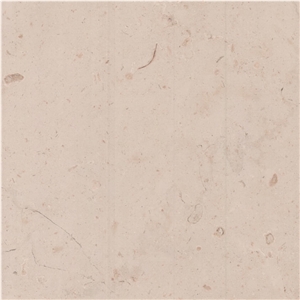
Frontenac Limestone

About
Item Details
- Material Type:
- Limestone
- Origin:
France (Frontenac, Gironde,Aquitaine in southwestern France) - Primary Color(s):
- Beige
- Recommended Usage:
- Kitchen and bathroom countertops, wash basins, building stone, ornamental stone, stairs, interior, exterior wall and floor applications, mosaic, waterjet pattern, wall panels, table tops, balustrades, columns, wall and pool copings, pool pavers, sculptures, fireplaces
- Additional Names:
- Pierres de Frontenac, Pierres des Frontenac, Pierre Frontenac, Frontenac Beige Limestone, Calcaire Frontenac, Frontenac
- Finished Surface:
- Polished,Bush Hammered,Tumbled,Brushed,Honed,Split,Machine Cut,Natural Surface,Sandblasted,Acid Washing,Combed,Leathered,Water Jet,Filled,Chiseled,Pickling
Testing
- Water Absorption:
- >1 %
- Density:
- 2300 Kg/m3
- Compressive Strength:
- 63 N/mm2
- Stone texture:
- a soft, neutral coloration and fine, consistent grain, light earth grey to beige-light cream background with subtle tonal variations and minimal veining, offering a calm and elegant aesthetic
Description
Frontenac Limestone is a distinctive natural stone quarried in Frontenac, Gironde, in the Aquitaine region of southwestern France. Known for its soft, neutral coloration, this limestone features a light earth grey to beige-light cream background with subtle tonal variations and minimal veining, lending it a calm and elegant aesthetic.
Physical and Mechanical Properties
- Water Absorption: >1%
- Density: Approximately 2300 Kg/m³
- Flexural Strength: Typically varies but should be tested for specific applications
- Compressive Strength: Around 63 N/mm²
- Hardness: Moderate; suitable for indoor applications but should be used with caution in high-traffic areas
- Porosity: Medium; due to water absorption, it requires sealing in moisture-prone areas
- Slip Resistance: Generally low; surface finishes can be applied to enhance slip resistance for flooring
Chemical and Mineral Compositions (Typical)
- Calcium Carbonate (CaCO₃): Predominantly the main component, typically around 90% or higher
- Silica (SiO₂): 2-5%
- Iron Oxide (Fe₂O₃): 1-2%
- Magnesium Carbonate (MgCO₃): 1-2%
- Clays and other trace minerals: Vary, usually less than 1%
Usage and Applications
- Ideal for interior applications such as flooring, wall cladding, and decorative elements due to its soft color and refined appearance
- Suitable for exterior cladding, although additional treatment may be required to protect against weathering
- Commonly used in residential and commercial settings that emphasize elegance and sophistication
Maintenance
- Regular cleaning with a pH-neutral cleaner is recommended
- Periodic sealing is necessary, especially in wet areas, to protect against staining and moisture absorption
- Avoid harsh chemicals or acidic cleaners that can etch the surface
Available Surface Finish Options
- Polished: High gloss finish emphasizing its uniform grain and subtle tonal variations
- Honed: Smooth and matte, the most popular finish for an understated look
- Brushed: Textured for a more rustic appearance
- Sandblasted: Coarser finish for improved slip resistance
This comprehensive overview captures Frontenac Limestone's essence, showcasing its physical and mechanical characteristics, chemical and mineral makeup, and practical usage considerations. Proper maintenance routines and finish choices enhance its inherent beauty and functionality, making it a versatile choice for diverse architectural needs.
FAQ
Yes, Frances Frontenac Limestone can be used for exterior applications in cold climates. This limestone is known for its durability, resistance to extreme weather conditions, and low water absorption rate. These characteristics make it suitable for use in cold climates where it will be exposed to freezing temperatures, snow, and ice. However, it is important to properly seal and maintain the limestone to ensure its longevity and to protect it from potential damage caused by freeze-thaw cycles.
Can France's Frontenac Limestone be used in landscaping?
Yes, Frances Frontenac Limestone can be used in landscaping. It is a versatile and durable stone that can be used in various landscaping applications such as patios, walkways, retaining walls, garden borders, and other decorative features. Its natural beauty and unique characteristics make it a popular choice for adding visual appeal to outdoor spaces.
Can France's Frontenac Limestone be used in a office?
Yes, Frances Frontenac Limestone can be used in an office setting. Limestone is a versatile natural stone that is known for its durability and aesthetic appeal. The Frontenac Limestone, specifically, offers a unique and elegant look with its warm neutral tones and subtle texture. It can be used for various applications in an office, including flooring, wall cladding, and even as a decorative element such as countertops or accent pieces. It is a popular choice for both traditional and contemporary office designs, adding a touch of sophistication and natural beauty to the space.
Can France's Frontenac Limestone be used outdoors?
Yes, Frontenac Limestone can be used outdoors. It is a durable and weather-resistant stone that is commonly used for exterior applications such as building facades, landscaping, and paving. However, it is recommended to consult with a professional stone supplier or installer to ensure proper installation and maintenance.
What grade is France's Frontenac Limestone?
I do not have access to the latest data or information about the grade of Frances Frontenac Limestone. Can you provide more context or information about your question?
Are there color variations of France's Frontenac Limestone?
Yes, there can be variations in the color of Frances Frontenac Limestone. It is a natural stone and can range from light to medium gray, beige, and even blue-gray. The color variations can occur due to differences in mineral composition, density, and weathering. The veining and patterning can also vary, giving each piece a unique look.
What is the coefficient of friction of Polished France's Frontenac Limestone tiles?
I dont have access to specific information on the coefficient of friction of Polished Frances Frontenac Limestone tiles. The coefficient of friction can vary depending on the finish, texture, and other factors of the tile. It is recommended to consult with the manufacturer or supplier for this specific information.
Is France's Frontenac Limestone an expensive stone?
I do not have current market information or access to pricing data. However, Frontenac limestone is considered a high-end material and may be more expensive than other types of limestone. The cost of any stone can vary depending on factors such as supply and demand, location, availability, and quality. It is always recommended to check with local stone suppliers for the latest pricing information.