Post Your Needs

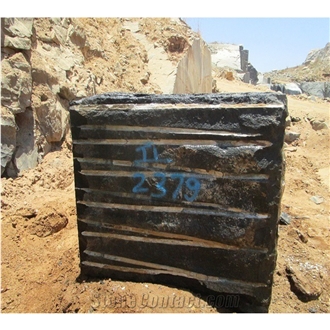
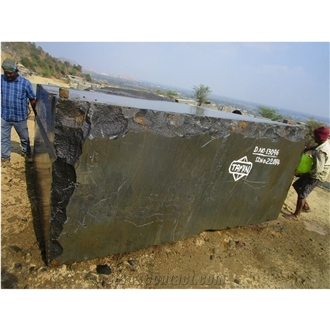
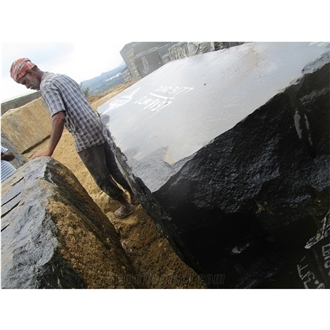
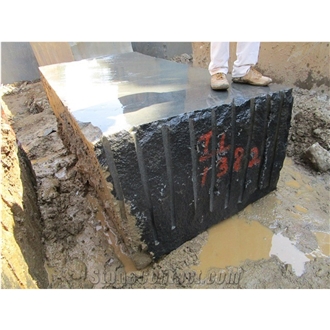
G20 Black Granite

Black - Granite

India

About

Item Details

Material Type:
Granite
Origin:
India (Tamil Nadu)
Primary Color(s):
Black
Recommended Usage:
kitchen and bathroom countertops, wash basins, building stone, ornamental stone, stairs, interior, exterior wall and floor applications, mosaic, waterjet pattern, wall panels, table tops, balustrades, columns, wall and pool copings, pool pavers, sculptures, fireplaces, window sills
Additional Names:
Absolute Black Granite, India Black Granite, Jet Black Granite, Nero Assoluto Granite, G20 Black Granite
Finished Surface:
Polished,Flamed,Bush Hammered,Tumbled,Brushed,Honed,Split,Machine Cut,Natural Surface,Sandblasted,Acid Washing,Combed,Leathered,Water Jet,Filled,Chiseled,Pickling

Testing

Water Absorption:
0.2 - 0.4%
Density:
2960 - 3070 kg/m³
Flexural Strength:
18 - 20 MPa
Compressive Strength:
180 - 220 MPa
Stone texture:
fine grain charcoal black durable granite

Description

G20 Black Granite is a fine-grain, charcoal-black granite quarried in Tamil Nadu, India. Known for its elegance and durability, it's widely used in construction and decorative applications. Below are the detailed descriptions of its physical and mechanical properties, chemical composition, usage, maintenance, cutting sizes, and surface finish options.

Physical and Mechanical Properties

  • Color: Charcoal Black
  • Water Absorption: 0.2% - 0.4% (indicative of its low porosity)
  • Density: Approximately 2.96 - 3.07 g/cm³
  • Flexural Strength: 18 - 20 MPa
  • Compressive Strength: 180 - 220 MPa (indicating high durability)
  • Hardness: The Mohs hardness scale rating is between 6 and 7
  • Porosity: Very low, contributing to its resistance to stains
  • Slip Resistance: Moderate to high, depending on the surface finish

Chemical and Mineral Composition (% by weight)

  • Quartz: 20% - 30%
  • Feldspar: 30% - 40%
  • Biotite and Hornblende (Mica Group): 10% - 15%
  • Iron Oxides: 5% - 7%
  • Other Trace Minerals:

Usage and Applications

Interior Applications:

  • Flooring
  • Wall Cladding
  • Countertops and Vanity Tops

Exterior Applications:

  • Façades
  • Pavements
  • Monuments

Maintenance

  • Regular Cleaning: Use pH-neutral cleaners. Avoid acidic or abrasive cleaners that can wear down the surface over time.
  • Sealing: Periodically seal to enhance resistance against stains, especially in high-contact areas like kitchen countertops.
  • Stain Removal: Immediate cleaning of spills to prevent staining.

Cutting Sizes (cm)

Standard Slab Sizes:

  • 240 cm x 120 cm
  • 300 cm x 180 cm

Tile Sizes:

  • 30 cm x 30 cm
  • 60 cm x 60 cm

Customized dimensions can be ordered based on project requirements.

Surface Finish Options

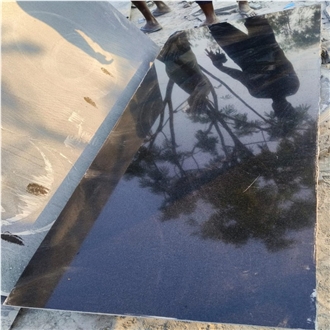
  • Polished: High-gloss finish that enhances the deep black color.
  • Honed: Smooth with a matte appearance, suitable for indoor applications.
  • Flamed: Rough texture, enhances slip resistance, ideal for outdoor paving.
  • Brushed: Textured but soft finish, giving a slightly worn look.
  • Leathered: Creates a soft sheen, retaining color depth while adding texture.

Each finish imparts a unique aesthetic and functional quality, making G20 Black Granite versatile for various applications while highlighting the natural beauty of the stone.

In summary, the G20 Black Granite is a popular choice for its aesthetic appeal, robustness, and versatility in numerous indoor and outdoor projects. Proper maintenance and the selection of an appropriate surface finish can enhance its longevity and performance in various settings.

FAQ

Can India's G20 Black Granite be used exterior applications in cold climates?

Yes, Indias G20 Black Granite can be used for exterior applications in cold climates. Granite is known for its durability, resistance to weathering, and ability to withstand extreme temperatures, making it suitable for various outdoor installations, including cold climates. Additionally, G20 Black Granite is a dense and hard stone, further enhancing its ability to withstand freezing temperatures and other harsh weather conditions. However, it is always advisable to consult with professionals or suppliers specific to your project to ensure the suitability of the stone for your particular climate and application.

What is the standard height of a G20 Black Granite balustrade?

There isnt a specific standard height for a G20 Black Granite balustrade, as the height can vary depending on factors such as the building code regulations in the specific location, the intended use of the balustrade, and personal preference. Typically, balustrades have a height range of 36 to 42 inches (91 to 107 cm) for residential applications and 42 to 48 inches (107 to 122 cm) for commercial applications. It is important to consult local building codes and regulations to determine the required height for your specific situation.

How can I fix a G20 Black Granite balustrade?

Fixing a G20 Black Granite balustrade will depend on the specific issue you are facing. Here are some general steps you can follow: 1. Assess the damage: Determine the extent of the damage to the balustrade. Is it chipped, cracked, or broken? This will help you determine the appropriate course of action. 2. Gather necessary materials: Depending on the type of damage, you may need some materials such as granite epoxy, a putty knife, sandpaper, polish, and a soft cloth. 3. Clean the area: Thoroughly clean the damaged area using a mild detergent and a soft-bristle brush. Rinse it thoroughly and allow it to dry completely before proceeding. 4. Repairing a chip or crack: If you have a small chip or crack, use granite epoxy to fill it. Follow the manufacturers instructions on how to mix and apply the epoxy. Use a putty knife to carefully fill in the damaged area. Smooth the epoxy until it is level with the rest of the surface. Allow it to cure completely. 5. Fixing a broken balustrade: If the balustrade is broken, you may need professional help to repair or replace it. Contact a stone restoration specialist who can assess the damage and provide a solution tailored to your specific situation. 6. Finishing touches: Once the repair is complete, move onto finishing touches. Lightly sand down any rough edges or excess epoxy if necessary. Use a granite polish to restore the shine of the repaired area. Apply the polish using a soft cloth and follow the manufacturers instructions. Buff the surface until it is smooth and shiny. Note: It is important to handle granite carefully, as it is a heavy and delicate material. If the repair seems beyond your ability, considering seeking professional help to ensure a proper fix.

Which is heat resistant G20 Black Granite or marble?

G20 Black Granite is typically a more heat-resistant material compared to marble. While marble can withstand high temperatures, granite is known for its exceptional heat resistance. It can handle heat from hot pots and pans without getting damaged or discolored. Marble, on the other hand, is more susceptible to heat damage and can be stained or discolored if exposed to high temperatures for an extended period. However, it is always advisable to use heat-resistant pads or trivets to protect any natural stone surface from direct and prolonged exposure to heat.

Will fire crack G20 Black Granite?

It is unlikely that a regular fire would crack G20 Black Granite. Granite is a natural stone that is extremely heat-resistant and has a high tolerance for heat. However, extreme and prolonged exposure to high heat could potentially cause cracks or damage to the granite. It is always best to exercise caution and avoid exposing granite or any other material to direct and intense heat for extended periods.

How can I polish G20 Black Granite balustrade?

Polishing G20 Black Granite balustrade can be done by following these steps: 1. Clean the granite surface: Start by cleaning the balustrade thoroughly to remove any dirt or dust. Use a mixture of mild soap or granite cleaner and warm water. Scrub gently with a soft brush or sponge, and rinse with clean water. Allow it to dry completely. 2. Remove any stains or marks: If there are any stains or marks on the balustrade, use a granite stain remover specifically designed for black granite. Follow the instructions on the product carefully to avoid damaging the stone. Rinse off the stain remover thoroughly once youre done. 3. Prepare the polishing compound: Get a quality granite polishing compound. These compounds typically come in a powder or cream form. Follow the instructions on the packaging to prepare the compound accordingly. 4. Apply the polishing compound: Apply a small amount of the polishing compound onto the granite surface. Use a clean, soft cloth or a buffer pad attached to a polisher or buffer machine. Start buffing the granite in circular motions, working in small sections at a time. Ensure even coverage of the polishing compound. 5. Polish the granite: Continue buffing with moderate pressure until the polishing compound begins to dry or becomes powdery. At this point, add a little water to the surface and continue buffing in circular motions. The water helps to spread and activate the compound, promoting a smooth, glossy finish. 6. Wipe off the excess compound: Once youve finished polishing, use a clean, dry cloth to wipe off any excess polishing compound from the granite surface. Inspect the balustrade and make sure it has a uniform shine. 7. Apply a granite sealer (optional): To enhance the shine and protect the granite, consider applying a granite sealer. Follow the instructions on the sealer product carefully, as application methods may vary. Allow the sealer to dry completely according to the manufacturers instructions. By following these steps, you should be able to achieve a polished finish on your G20 Black Granite balustrade.

How can I polish G20 Black Granite fireplace hearth?

To polish a G20 Black Granite fireplace hearth, you can follow these steps: 1. Clean the surface: Start by thoroughly cleaning the fireplace hearth using a mild soap or stone cleaner. Remove any dust, dirt, or stains from the surface. Rinse it with clean water and let it dry completely. 2. Sand the surface: Use a handheld orbital sander with fine-grit sandpaper (around 400 grit) to smooth out any rough spots or scratches on the granite. Sand in circular motions, applying light pressure. Keep the surface damp while sanding to prevent the stone from overheating. 3. Gradually increase sandpaper grit: After sanding with 400 grit, gradually increase the grit size to higher numbers (600, 800, 1000, and so on), continuing the sanding process. This will help in achieving a smoother surface. 4. Use a diamond polishing pad: Once you have reached around 1500 grit, switch to using a diamond polishing pad. Attach the pad to a handheld grinder or variable speed polisher. Start with a lower grit pad (around 50-100) and gradually progress to higher numbers (200, 400, 800, 1500, and 3000 grit). Remember to keep the surface wet while polishing. 5. Apply a stone polish: After achieving the desired level of smoothness and shine with the diamond polishing pads, you can apply a stone polish specifically made for granite. Follow the manufacturers instructions for application and drying time. 6. Seal the granite: To protect the polished surface and make it easier to clean and maintain, apply a granite sealer. You can find various sealers specifically designed for granite at hardware or stone supply stores. Follow the instructions provided by the manufacturer to apply the sealer effectively. Remember to use caution and wear appropriate protective gear such as safety goggles and gloves when working with power tools. It is also recommended to test any cleaners, polishes, or sealers on a small and inconspicuous area first to ensure compatibility and desired results.

Is black marble or G20 Black Granite better for fireplace surround?

The choice between black marble and G20 Black Granite for a fireplace surround ultimately depends on personal preference and the overall aesthetic you are trying to achieve. Black marble often has a softer and more elegant appearance, and can add a touch of luxury to the fireplace surround. It is available in different veining patterns and can create a dramatic contrast against the fire. G20 Black Granite, on the other hand, is known for its durability and strength. It has a consistent black color and a more modern and sleek look. It can be a good choice if you prefer a minimalist or contemporary style for your fireplace. Both materials have their own unique characteristics, so it is recommended to visit a showroom or view samples in person to see how they look and feel in your space. Additionally, consider the maintenance requirements of each material, as granite may be easier to clean and maintain compared to marble.

How can I clean G20 Black Granite around a fireplace?

To effectively clean G20 Black Granite around a fireplace, you can follow these steps: 1. Prepare the area: Remove any objects or debris from the granite surface around the fireplace. Ensure that the fireplace is turned off and completely cool before starting the cleaning process. 2. Dusting: Use a soft brush or a dry microfiber cloth to gently remove any loose dust or dirt from the surface. This will help prevent scratching the granite during the cleaning process. 3. Preparing a cleaning solution: In a spray bottle, mix equal parts of warm water and a mild pH-neutral stone cleaner. Avoid using acidic or abrasive cleaners as they can damage the granites surface. Alternatively, you can use a mixture of warm water and a few drops of dish soap. 4. Applying the cleaner: Spray the cleaning solution onto the granite surface and let it sit for a few minutes. This will help to loosen any stains or grime. 5. Scrubbing: Use a soft-bristled brush or a non-abrasive sponge to gently scrub the surface in a circular motion. Pay attention to any stubborn stains or areas with built-up grime. Avoid using coarse brushes or scrub pads that can cause scratches. 6. Rinse thoroughly: Once you have scrubbed the entire surface, thoroughly rinse the granite with clean water to remove any traces of the cleaning solution. Ensure that all soap residue is removed. 7. Drying: Use a clean, dry cloth or towel to carefully dry the granite surface. This will help prevent water spots or streaks from forming. 8. Sealing (optional): G20 Black Granite is generally a low-porosity stone and may not require a sealer. However, if you feel the need to provide additional protection, follow the manufacturers instructions for applying a granite sealer. This step should be done after the granite has completely dried. Remember to always test any cleaner or sealer on a small, inconspicuous area of the granite before applying it to the entire surface to ensure it does not cause any damage or discoloration.

Is G20 Black Granite good for fireplace surround?

Yes, G20 Black Granite can be a good choice for a fireplace surround. It is a durable and elegant natural stone that is known for its deep black color and subtle veining. G20 Black Granite can provide a sleek and modern look to your fireplace surround, and its heat-resistant properties make it suitable for use in high-temperature areas. However, it is always recommended to consult with a professional or visit a stone supplier to see samples and discuss specific requirements for your fireplace surround.

Products & Prices

View More

Hot Black Granite

New Granite

Post Your Request

The request includes:
  1. surface finished, size
  2. quantity required