Post Your Needs

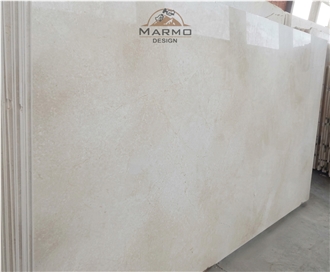
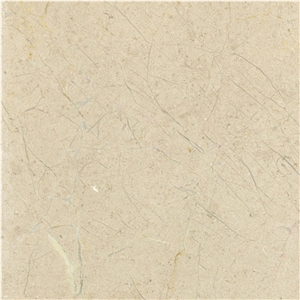
Galala A Marble

Beige - Marble

Egypt

About

Item Details

Material Type:
Marble
Origin:
Egypt (Suez, El-Galala El- Bahareyia Mountain)
Primary Color(s):
Beige
Recommended Usage:
Building stone, sinks, monuments, pool coping, sills, ornamental stone, interior, exterior, wall, floor , paving
Additional Names:
Galala Marble, Galala Beige Marble, Galalah Classic Marble, Galala Light Marble, Galala Tiger Beige Marble, Galala Classic Cream Marble, Galala Classic Beige, Galala Gold Marble, Galala Cream Marble, Galala Extra Marble, Galala Medium Marble, Royal Beige Marble, in China stone market:埃及米黄(āijí mǐhuáng), Galala A Marble
Finished Surface:
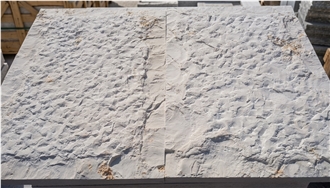
Honed, Aged, Polished, Sawn Cut, Sanded, Rockfaced, Sandblasted, Bushhammered, Tumbled

Testing

Water Absorption:
0.37 by weight %
Density:
2640 kg/m3
Flexural Strength:
7.8 MPa
Compressive Strength:
91.0 MPa

Description

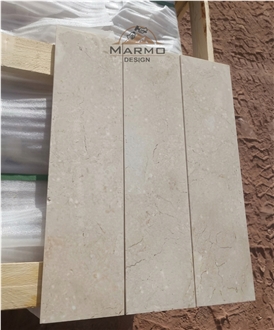
Galala A Marble is a kind of light ivory beige with darker veins beige marble quarried in Egypt. This stone is especially good for Building stone, sinks, monuments, pool coping, sills, ornamental stone, interior, exterior, wall, floor , paving and other design projects. It also called Galala Marble,Galala Beige Marble,Galalah Classic Marble,Galala Light Marble,Galala Tiger Beige Marble,Galala Classic Cream Marble,Galala Classic Beige,Galala Gold Marble,Galala Cream Marble,Galala Extra Marble,Galala Medium Marble,Royal Beige Marble,in China stone market:埃及米黄(āijí mǐhuáng) . Galala A Marble can be processed into Honed, Aged, Polished, Sawn Cut, Sanded, Rockfaced, Sandblasted, Bushhammered, Tumbled and so on.

FAQ

How do I choose grout color for Galala A Marble mosaic?

Choosing the right grout color for your Galala A Marble mosaic can greatly impact the overall look and feel of your installation. Here are some tips to help you select the ideal grout color: 1. Consider the mosaic design: Take into account the colors and patterns on the marble mosaic. Look for dominant hues and undertones present in the design that you would like to highlight or downplay. For example, if the mosaic has warm tones, you may choose a grout color that matches or complements those warm tones. 2. Determine the desired visual effect: Grout color can either blend in with the mosaic or contrast with it. If you want to emphasize the individual marble pieces and create a seamless look, choose a grout color that closely matches the dominant color of the marble. On the other hand, if you desire a more dramatic effect, opt for a contrasting grout color to highlight the mosaic pattern. 3. Consider maintenance: Light grout colors tend to show stains and dirt more easily, while darker grouts may appear more forgiving in regard to maintenance. Consider your lifestyle and the amount of maintenance you are willing to undertake when selecting grout color. 4. Get samples: Before making the final decision, obtain grout color samples and place them next to the mosaic, considering the lighting in the installation area. This will give you a better idea of how the different grout colors will look with your specific Galala A Marble mosaic. 5. Seek professional advice: If you are unsure about your selection or want expert guidance, consult with a tile professional or interior designer who can provide recommendations based on their experience and knowledge. Remember, selecting the right grout color is subjective, so trust your instincts and choose a color that appeals to you and suits your overall design vision.
What color grout goes best with Galala A Marble tile?

For Galala A Marble tile, it is recommended to use a light-colored grout to complement the natural beauty of the marble. The most popular and recommended grout colors for Galala A Marble tile are white or a pale beige. These colors will create a cohesive and elegant look, allowing the marble to stand out as the main feature.

What is the size of a standard Galala A Marble mosaic tile?

The standard size of a Galala A marble mosaic tile is typically 12 inches by 12 inches (30.5 cm by 30.5 cm). However, these tiles can also be available in different sizes such as 6 inches by 6 inches or 18 inches by 18 inches, depending on the manufacturer and specific requirements.

Can I restore damaged Galala A Marble staircase?

Yes, it is possible to restore a damaged Galala A Marble staircase. However, the extent of the damage will determine the process and level of restoration required. Here are some steps that can be taken to restore a damaged Galala A Marble staircase: 1. Assess the damage: Inspect the staircase thoroughly to identify the type and extent of the damage. Common issues may include scratches, chips, cracks, stains, or discoloration. 2. Clean the surface: Start by cleaning the surface of the staircase to remove any dirt, dust, or debris. Use a mild cleaning solution and a soft cloth to gently wipe the surface. 3. Repair chips and cracks: If there are any chips or cracks in the marble, they can be filled with a marble repair compound or epoxy resin. Make sure to choose a product that matches the color of the Galala A Marble. 4. Polish and buff: Once any repairs have been made, the staircase should be polished and buffed to restore its shine. This can be done using a marble polishing compound and a soft, lint-free cloth or a polishing machine specifically designed for marble surfaces. 5. Address stains and discoloration: If there are any stains or discoloration on the marble, they can be treated with a gentle marble stain remover. Follow the instructions provided by the manufacturer and test the product on a small, inconspicuous area first to ensure it does not cause further damage. 6. Seal the staircase: Applying a marble sealer will help protect the surface from future damage and make it easier to clean. Choose a sealer specifically formulated for Galala A Marble and follow the instructions for application. 7. Regular maintenance: To keep the restored Galala A Marble staircase in good condition, it is important to perform regular maintenance. Clean the surface regularly using a mild, non-abrasive cleaner and avoid using harsh chemicals or abrasive tools that can cause further damage. It is worth noting that extensive damage or deep scratches may require professional restoration services. Consulting with a marble restoration specialist can help determine the best course of action for restoring the Galala A Marble staircase.

How can I fix a water damaged Galala A Marble countertop?

Fixing a water-damaged Galala A Marble countertop can be a challenging task, but it is possible with the following steps: 1. Remove any standing water or moisture from the surface of the countertop using a dry cloth or paper towels. It is important to remove the water as quickly as possible to prevent further damage. 2. Mix a mild detergent with warm water and clean the affected area using a soft cloth. Be gentle and avoid scrubbing harshly, as this may worsen the damage. Rinse the countertop thoroughly with clean water and pat dry. 3. Inspect the extent of the damage. If there are severe stains or etching, you may need to use a marble-specific cleaner or poultice. These products can help draw out deep stains from the marble surface. 4. Apply the marble cleaner or poultice according to the manufacturers instructions, ensuring you wear protective gloves and use adequate ventilation. Allow the cleaner to sit on the countertop for the recommended amount of time. 5. Gently scrub the countertop using a soft brush or sponge to remove the stains. Make sure to follow the natural grain and texture of the marble to avoid damaging it further. Rinse the countertop thoroughly with clean water and pat dry. 6. If the damage is still noticeable after cleaning, you may need to hire a professional stone restoration specialist who can assess the damage and perform more advanced techniques such as honing or polishing to restore the marbles appearance. They have specialized tools and experience in dealing with water-damaged marble. 7. To prevent future water damage, ensure the countertop is adequately sealed. Regularly apply a granite or marble sealer recommended for Galala A Marble to protect it from spills and stains. Follow the manufacturers instructions for application and reapplication timeframes. Remember, its always best to consult with professionals or experts in marble restoration if the damage is extensive or difficult to fix yourself.

Can I buff out scratches on Galala A Marble countertop?

Yes, it is possible to buff out scratches on a Galala A Marble countertop. You will need to gather some supplies such as a polishing compound, a buffing pad or soft cloth, water, and a mild cleaning solution. Heres a step-by-step guide: 1. Clean the countertop: Start by cleaning the countertop using a mild cleaning solution and warm water. Gently wipe away any dirt or debris from the scratched area. 2. Assess the scratches: Determine the depth and severity of the scratches. If the scratches are deep, you may need professional help in repairing them. 3. Apply polishing compound: Apply a small amount of polishing compound onto the scratched area. Make sure to use a non-acidic, non-abrasive compound specifically designed for marble surfaces. 4. Buff the scratches: Use a buffing pad or a soft cloth to buff the scratches in a circular motion. Apply light pressure while buffing. Continue buffing until the scratches become less noticeable or completely disappear. 5. Clean and inspect: Once the scratches are buffed, clean the area with water and a mild cleaning solution. Wipe away any residue from the polishing compound and inspect the countertop for any remaining scratches. 6. Repeat if necessary: If the scratches are still visible, repeat the buffing process with the polishing compound until you achieve the desired result. It is important to note that deep or extensive scratches may require professional restoration to ensure the best outcome. Additionally, be cautious not to use abrasive materials or acidic cleaners, as they can further damage the marble surface.

What happens if I don't seal Galala A Marble countertops?

If you choose not to seal your Galala A marble countertops, several potential issues may occur: 1. Staining: Marble is a porous material, which means it can absorb liquids and may easily stain. Without sealing, the marble surface becomes more susceptible to stains from common household substances like acidic liquids (lemon juice, vinegar), wine, oil, or coffee. Stains may become permanent and difficult to remove. 2. Etching: Marble is also susceptible to etching, which is a chemical reaction that occurs when acidic substances come into contact with the surface. Without sealing, the marble can easily etch and develop a dull or matte appearance, especially in areas regularly exposed to acidic liquids. 3. Damage and deterioration: Without a protective seal, the marble surface can be more susceptible to damage and deterioration from daily use, such as scratches, chips, and cracks. This can lead to a decrease in the overall lifespan and aesthetic appeal of the countertops. 4. Increased maintenance: Without sealing, you may need to clean your marble countertops more frequently and with specialized products to prevent staining and etching. This can increase the maintenance requirements and potentially add to the long-term costs. Sealing your Galala A marble countertops helps to protect the surface from stains, etching, and damage. It creates a barrier, making it easier to clean spills and maintain the beauty and longevity of your countertops.

Can I fix a chip in Galala A Marble countertop?

Yes, you can fix a chip in a Galala A marble countertop. Heres a step-by-step guide on how to do it: 1. Clean the countertop: Start by cleaning the countertop thoroughly to remove any dirt, dust, or debris around and inside the chip. Use a mild soap or a marble-specific cleaner and a soft cloth to wipe the surface. 2. Assess the damage: Examine the chip carefully to determine its size and depth. If its a small, shallow chip, you may be able to repair it yourself. However, if its a larger or deeper chip, it may require professional repair or replacement. 3. Gather the necessary materials: To repair the chip, youll need a marble repair kit which typically includes epoxy resin, hardener, a putty knife, and some sandpaper. You can find these kits at a local hardware store or online. 4. Mix the epoxy resin: Follow the instructions provided with the repair kit to mix the epoxy resin and hardener. Usually, it involves equal parts of each component, which youll mix until they are thoroughly combined. 5. Fill the chip: Using a putty knife or a similar tool, apply the mixed epoxy resin into the chip. Make sure to fill it completely, and use the putty knife to level the resin surface. Remove any excess resin around the area. 6. Allow it to cure: Let the epoxy resin cure and harden according to the instructions provided with the repair kit. This typically takes several hours or overnight. Avoid using the countertop during this time to ensure the best results. 7. Sand and polish: Once the epoxy resin has completely hardened, use fine-grit sandpaper to smooth out the repaired area. Start with a coarser grit and gradually move to finer grits to achieve a smooth finish. After sanding, buff the area with a marble polish to restore its shine. Remember, while repairing small chips in your Galala A marble countertop is possible, for larger or more extensive damage, its recommended to seek professional help or consider replacing the affected section to ensure a seamless and lasting repair.

How can I protect Galala A Marble countertops when cooking?

There are several ways you can protect Galala A Marble countertops while cooking. Here are some tips: 1. Use cutting boards: Always use cutting boards when preparing food to prevent direct contact with the marble surface. Avoid cutting or chopping directly on the countertop, as it can cause scratches and damage. 2. Use trivets or hot pads: Place trivets or hot pads under hot pots, pans, or any heat-generating kitchenware to prevent direct contact with the marble surface. Marble is prone to heat damage, so make sure to use protective barriers for hot items. 3. Clean up spills immediately: Marble is porous and can absorb liquids, which may cause staining or etching. Clean up any spills, especially acidic substances like vinegar, citrus juices, or wine, immediately to avoid potential damage. Use a soft cloth or sponge and a mild, pH-neutral cleanser to wipe away spills gently. 4. Avoid abrasive cleaners and tools: Harsh cleaners, abrasive scrub pads, or cleaning solutions containing acidic substances can damage the marble. Stick to mild, non-abrasive cleaners specifically formulated for marble surfaces. 5. Use coasters and placemats: Place coasters or placemats under glasses, bottles, or any other beverages to protect the marble from water rings or spills. 6. Seal the marble: Regularly apply a marble sealer to protect the surface from stains and spills. Follow the manufacturers instructions for the specific sealer you choose. Sealing helps to maintain the marbles appearance and protect it from everyday use. Remember to always handle Galala A Marble countertops with care and avoid using sharp objects directly on the surface. Regular cleaning and maintenance will keep your countertops looking beautiful for years to come.

Products & Prices

View More

Hot Beige Marble

New Marble

Post Your Request

The request includes:
  1. surface finished, size
  2. quantity required