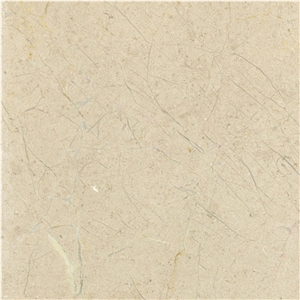
Chinas Guizhou Beige Marble can be used in exterior applications in very humid climates, but certain precautions need to be followed to ensure its durability and longevity.
It is important to note that marble is a natural stone and can be susceptible to damage from moisture, particularly in extremely humid environments. Here are some considerations:
1. Sealant: Apply a high-quality stone sealant to the marble surface, including all sides, edges, and joints, to create a protective barrier against moisture absorption. Reapplication may be necessary annually or as per the manufacturers instructions.
2. Proper drainage: Ensure that the installation allows for proper drainage, especially in areas prone to heavy rainfall or standing water. Standing water can potentially penetrate the stone and cause damage over time.
3. Maintenance: Regularly clean the marble surface using a neutral pH stone cleaner and avoid abrasive or acidic cleaners that can etch the surface. Routine cleaning helps prevent the buildup of moisture-retaining substances like dirt, algae, or mosses.
4. Adequate ventilation: Ensure that the marble is installed in a well-ventilated area. Good air circulation can help prevent the accumulation of excess moisture, reducing the risk of damage.
5. Regular inspections: Periodically inspect the marble surface for any signs of damage or deterioration, such as cracks, discoloration, or efflorescence. Promptly address any issues to prevent further damage in the humid climate.
While these precautions can help maintain the marbles integrity in humid climates, its important to note that no stone is entirely impervious to moisture damage. Monitoring the condition of the marble and addressing any issues promptly will be essential in preserving its appearance and functionality.


 China

 1YR
 United States


 Spain

 Turkey

 Italy

 Oman

 Egypt

 Myanmar


 France
