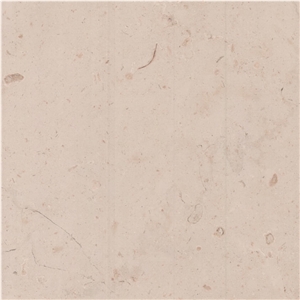
Hathor Cream Limestone

About
Item Details
- Material Type:
- Limestone
- Origin:
Egypt (Djebel Katharina, Sinai) - Primary Color(s):
- Beige
- Recommended Usage:
- Kitchen and bathroom countertops, wash basins, building stone, ornamental stone, stairs, interior, exterior wall and floor applications, mosaic, waterjet pattern, wall panels, table tops, balustrades, columns, wall and pool copings, pool pavers, fireplaces
- Additional Names:
- Sinai Beige Limestone, Hathor Cream Marble, Sinai Pearl Limestone, Hathor Cream
- Finished Surface:
- Polished,Bush Hammered,Tumbled,Brushed,Honed,Split,Machine Cut,Natural Surface,Sandblasted,Combed,Leathered,Water Jet,Filled,Chiseled,Pickling
Testing
- Water Absorption:
- 0.20 - 0.89 By weight %
- Density:
- 2605 - 2628 kg/m3
- Flexural Strength:
- 13.1 - 15.7 MPa
- Compressive Strength:
- 136.51 MPa
- Stone texture:
- durable beige-toned natural stone quarried from the Sinai Peninsula in Egypt, featuring a color palette that ranges from light to medium beige and creamy yellow, often with subtle fossil inclusions that lend it a pearlescent appearance
Description
Hathor Cream Limestone is a durable natural stone quarried from the Sinai Peninsula in Egypt, specifically from the region of Djebel Katharina, Sinai. Known for its elegant beige color palette, it ranges from light to medium beige with creamy yellow tones. The stone often contains subtle fossil inclusions that give it a unique pearlescent appearance, making it highly desirable for various architectural and interior design applications.
Physical and Mechanical Properties
- Water Absorption: 0.20 - 0.89% by weight
- Density: 2605 - 2628 kg/m³
- Flexural Strength: 13.1 - 15.7 MPa
- Compressive Strength: 136.51 MPa
- Hardness: Moderate (exact Mohs scale rating may vary, often between 3-4 for limestone)
- Porosity: Relatively low, contributing to its durability
- Slip Resistance: Generally good, but varies depending on finish
Chemical and Mineral Composition
- Calcium Carbonate (CaCO3): Major component, typically above 90%
- Magnesium Carbonate (MgCO3): Varies based on specific quarry sources
- Silica (SiO2): Minor amounts, presence of quartz
- Iron Oxides (Fe2O3): Trace elements contributing to color variations
- Alumina (Al2O3): Trace
- Fossil Inclusions: Enhance visual texture and uniqueness
Usage
- Interior Applications: Flooring, wall cladding, bathroom surfaces, kitchen countertops
- Exterior Applications: Facades, paving stones, garden pathways
- Decorative Features: Fireplaces, furniture inlays, sculptures
Maintenance
- Cleaning: Use pH-neutral cleaners; avoid acidic and abrasive products
- Sealing: Periodic sealing recommended to protect against stains and moisture
- Regular Care: Dust mopping or soft broom for floors to prevent scratching
Cutting Sizes
- Standard Tiles: Typically available in dimensions such as 30x30 cm, 30x60 cm, 60x60 cm
- Slabs: Custom cut-to-size options often available depending on project requirements
Surface Finish Options
- Polished: For a shiny, smooth surface; enhances color and pearlescence
- Honed: Offers a matt finish; popular for a more natural look
- Brushed: Gives a textured, aged appearance
- Tumbled: Provides a rustic, antique effect
- Sandblasted: For a rougher texture, improving slip resistance
Hathor Cream Limestone's versatility and appealing aesthetic attributes make it a popular choice for both residential and commercial projects, offering a timeless and sophisticated appearance.
FAQ
It is difficult to provide an exact measurement without more specific information, as Hathor Cream Limestone slabs can come in different thicknesses depending on the quarry and the customers requirements. However, typical thicknesses for limestone slabs range from 2 centimeters (about 0.8 inches) to 5 centimeters (about 2 inches).
Can Egypt's Hathor Cream Limestone be used in a bathroom?
Yes, Egypts Hathor Cream Limestone can be used in a bathroom. Limestone is a natural stone that is commonly used in bathroom applications such as countertops, shower walls, and flooring. It is known for its durability and aesthetic appeal, making it a suitable choice for bathroom use. However, it is important to note that limestone is a porous material and may require sealing to protect it from water and moisture damage. Regular maintenance and care should also be undertaken to keep the limestone in good condition.
What is the coefficient of friction of Leathered Egypt's Hathor Cream Limestone tiles?
The coefficient of friction of Leathered Egypts Hathor Cream Limestone tiles can vary depending on the specific finish and surface texture of the tile. It is recommended to contact the supplier or manufacturer of the tiles to obtain accurate information about their coefficient of friction.
Can Egypt's Hathor Cream Limestone be used exterior applications in cold climates?
Egypts Hathor Cream Limestone can generally be used for exterior applications in cold climates. However, it is important to note that limestone is a natural stone and can be subject to weathering and deterioration over time, especially in harsher climates. Cold temperatures and freeze-thaw cycles can cause the stone to crack or spall if it is not properly installed and maintained.
To ensure the longevity and performance of the Hathor Cream Limestone in cold climates, it is recommended to use a high-quality, frost-resistant adhesive and grout during installation. Additionally, proper sealing of the stone surface can help to protect it from water penetration and freeze-thaw damage.
Regular cleaning and maintenance are also important to prevent the buildup of dirt, moss, or other organic materials that can accelerate weathering. This may include periodic sealing, avoiding the use of harsh chemicals or power washing, and promptly addressing any cracks or damages that may occur.
Consulting with a professional stone supplier or installer who is knowledgeable about the specific characteristics of Hathor Cream Limestone and the local climate conditions is always recommended before using it for exterior applications in cold climates. They can provide specific guidance on installation techniques, maintenance requirements, and any additional considerations that may be relevant to your specific project.
Can Egypt's Hathor Cream Limestone be used in landscaping?
Yes, Egypts Hathor Cream Limestone can be used in landscaping. Limestone is a versatile natural stone that is commonly used in landscaping projects due to its durability, aesthetic appeal, and ability to withstand various weather conditions. It can be used for a variety of purposes such as paving, walkways, patios, retaining walls, garden edging, and decorative accents. The Hathor Cream Limestone, with its creamy color and attractive appearance, can add a touch of elegance and sophistication to any landscaping design.
Is Egypt's Hathor Cream Limestone an expensive stone?
I do not have the current pricing of stones. However, Hathor Cream Limestone is a premium and rare stone with a unique color and texture. Thus, it is likely to be more expensive than common stones available in the market. The final price of the stone may also vary depending on the quality, size, and supplier.
What grade is Egypt's Hathor Cream Limestone?
I dont have enough information about the context of your question. Please provide more details.
Are there color variations of Egypt's Hathor Cream Limestone?
Yes, there can be color variations in Egypts Hathor Cream Limestone depending on the specific quarry and location where it was extracted. Some examples of possible color variations include beige, cream, ivory, and light tan. However, these variations are usually minor and do not significantly affect the overall appearance and quality of the stone.