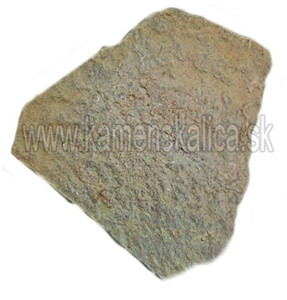
Horicky Sandstone is a versatile and aesthetically appealing natural stone known for its warm, earthy tones, ranging from light beige and sandy yellow to honey gold, sometimes with subtle variations such as light brown or gray undertones. This sandstone is medium to coarse-grained, featuring visible sand-sized mineral particles, and is often sourced from the quarries in Podhorny, Horice, Czech Republic.
Physical and Mechanical Properties:
- Water Absorption: 10.8 - 20.2%
- Density: 1890 - 2280 kg/m³
- Flexural Strength: 1.1 - 3.4 MPa
- Compressive Strength: 38.8 MPa
- Hardness: Medium, enough for traditional masonry without being overly brittle.
- Porosity: High, contributing to its natural, slightly rough texture when unpolished.
- Slip Resistance: Generally good due to its porous nature and rough surface, making it suitable for both interior and exterior applications.
Chemical and Mineral Composition:
While specific percentages can vary depending on the exact source and layer of the stone, Horicky Sandstone typically consists of:
- Silica (SiO2): Predominantly the main component.
- Aluminum Oxide (Al2O3): Present in smaller amounts.
- Iron Oxide (Fe2O3): Imparts subtle variations in color.
- Calcium Carbonate (CaCO3): Present in trace amounts.
- Mineral content mainly includes quartz, with minor contributions from feldspar and mica.
Usage:
- Applications: Ideal for traditional masonry, cladding, paving, and rustic architectural styles.
- Decorative Use: Due to its aesthetic appeal, it is also used in interior flooring, wall facings, and as a feature stone in landscaping.
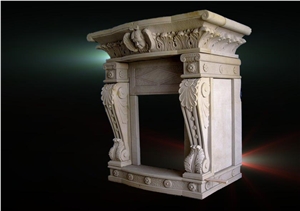
- Architectural Structures: Often used in the construction of ornamental facades, pillars, and heritage restoration due to its historical significance and visual appeal.
Maintenance:
- Cleaning: Regular cleaning with mild, pH-neutral cleaners is recommended. Avoid strong acids as they can damage the stone.
- Sealing: Given its high porosity, sealing is advised to protect against staining and moisture ingress, especially for interior uses.
- Repair: Repairs can be carried out with compatible stone epoxies or bonding agents.
Common Surface Finish Options:
- Natural: Retains the sandstone's typical rough texture, ideal for exteriors.
- Honed: Smooth yet matte finish, enhancing the stone's natural grain without a polished shine.
- Polished: Achieves a smooth, satin finish that highlights the color and grain but is less common due to the stone’s natural porosity.
- Bush-hammered or Sandblasted: Provides extra texture for decorative or anti-slip surfaces.
Horicky Sandstone is a cherished building material, appreciated for its durability, aesthetic appeal, and historical significance in Czech architecture. Its physical and mechanical properties make it highly versatile for various architectural and decorative purposes.


 Czech Republic


 Slovakia


 United Kingdom


 India

 United States


 Spain

 Italy


