Post Your Needs

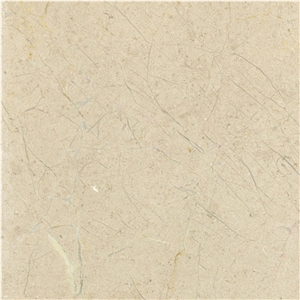
Imperial Beige Marble

Beige - Marble

Iran

About

Item Details

Material Type:
Marble
Origin:
Iran (Dehbid, Fars Province)
Primary Color(s):
Beige
Recommended Usage:
Kitchen and bathroom countertops, wash basins, building stone, ornamental stone, stairs, interior, exterior wall and floor applications, mosaic, waterjet pattern, wall panels, table tops, balustrades, columns, wall and pool copings, pool pavers, sculptures, fireplaces, window sills
Additional Names:
Royal Gold Beige Marble, Royal Beige Marble, IMS Imperial Beige Marble, IMS Imperial Cream Marble, Iran Imperial Beige Marble, Persian Imperial Beige, in China stone market:皇家米黄(Huángjiā mǐhuáng), 红线莎安娜(Hóng xiàn shā ān nà), Imperial Beige Marble
Finished Surface:
Polished,Bush Hammered,Tumbled,Brushed,Honed,Split,Machine Cut,Natural Surface,Sandblasted,Acid Washing,Combed,Leathered,Water Jet,Filled,Chiseled,Pickling

Testing

Water Absorption:
0.15 - 0.2%
Density:
2680 - 2700 kg/m³
Flexural Strength:
7 - 10 MPa
Compressive Strength:
80 - 100 MPa
Stone texture:
a soft, warm beige​ ranging from pale cream to light tan, with subtle variations in tone that add depth and richness with Intricate, light brown to reddish-brown veins​ (some are fine and hairline-thin, others slightly bolder, creating a web-like or “cracked” pattern) interspersed with darker brown to near-black accents​ (enhancing the contrast and visual interest of the beige base) veining; Highly irregular, organic veining that resembles natural stone fractures or flowing, organic lines patterned

Description

Imperial Beige Marble is a natural stone known for its soft, warm beige hue, which ranges from pale cream to light tan. This marble is characterized by its subtle variations in tone, adding depth and richness to the surface. Intricate veining in light brown to reddish-brown creates a web-like or “cracked” pattern, with some veins being fine and hairline-thin, while others are slightly bolder. These veins are interspersed with darker brown to near-black accents, enhancing the contrast and visual interest against the beige base. This marble, quarried in the Dehbid region of Fars Province, Iran, exhibits highly irregular, organic veining that resembles natural stone fractures or flowing lines.

Physical and Mechanical Properties

  • Water Absorption: ~0.15% - 0.2%
  • Density: Approximately 2.68 - 2.7 g/cm³
  • Flexural Strength: Typically between 7 - 10 MPa
  • Compressive Strength: Ranges from 80 to 100 MPa
  • Hardness: 3 - 4 on the Mohs scale
  • Porosity: Generally low porosity, contributing to its durability
  • Slip Resistance: Generally low on polished surfaces, higher on honed or textured finishes

Chemical and Mineral Composition

(Typical percentages by weight)

  • Calcium Carbonate (CaCO₃): 95% - 98%
  • Silica (SiO₂): 1% - 3%
  • Iron Oxides (FeO, Fe₂O₃): Trace amounts
  • Magnesium Carbonate (MgCO₃): Up to 1%
  • Minor Accompaniments: Trace minerals which may include clay, mica, or organic particles

Usage

  • Interior Applications: Flooring, wall cladding, bathroom vanities, and fireplace surrounds.
  • Exterior Applications: Occasionally used in outdoor settings if properly sealed and maintained.
  • Decorative Applications: Suitable for sculptures, countertops, tabletops, and other custom design elements.

Maintenance

  • Regular Cleaning: Use a gentle pH-neutral stone cleaner or mild soap with water.
  • Sealing: Periodic sealing recommended to protect against stains and moisture.
  • Avoid Harsh Cleaners: Do not use acidic or abrasive liquids that can damage the stone.
  • Stone Repair: Chips or cracks can often be repaired by a professional.

Available Common Surface Finish Options

  • Polished: High-gloss finish that highlights the color and veins; less slip-resistant.
  • Honed: Smooth and matte finish with increased slip resistance; easier to maintain.
  • Brushed/Antiqued: Textured finish that gives a more rustic appearance.
  • Tumbled: Softened edges and surface for a more aged or natural look.

In summary, Imperial Beige Marble combines aesthetic appeal with practicality, making it a versatile choice for a variety of architectural and decorative applications. Proper maintenance ensures its longevity and upkeep of its stunning appearance.

FAQ

Can Iran's Imperial Beige Marble be used in landscaping?

Yes, Irans Imperial Beige Marble can be used in landscaping. Its neutral and elegant beige color makes it a popular choice for outdoor applications such as cladding, paving, and landscaping. It can be used for creating pathways, patio areas, garden walls, benches, or decorative elements in garden designs. The durability, low-maintenance, and natural beauty of this marble make it suitable for various landscaping projects.

What is the coefficient of friction of Leathered Iran's Imperial Beige Marble tiles?

The coefficient of friction of Leathered Irans Imperial Beige Marble tiles may vary depending on various factors such as the surface finish, the presence of any treatment or coating, and the specific type of Marble. It is recommended to consult the manufacturer or supplier of the specific Marble tiles for accurate information regarding their coefficient of friction.

Can Iran's Imperial Beige Marble be used in a dining room?

Yes, Irans Imperial Beige Marble can be used in a dining room. Marble is a popular choice for flooring and countertops in dining rooms due to its elegant and luxurious appearance. Irans Imperial Beige Marble, with its sophisticated beige tones, can blend well with various dining room styles and color schemes. It can be used as flooring, tabletops, or even as a decorative accent wall to create a sophisticated and timeless look in the dining room.

Can Iran's Imperial Beige Marble be used exterior applications in very windy climates?

Irans Imperial Beige Marble can be used for exterior applications in windy climates, but it is important to consider some factors before making a decision. Marble is generally a durable natural stone that can withstand various weather conditions, including wind. However, the specific characteristics of the marble and the installation techniques will play a significant role in determining its suitability for exterior use in windy areas. 1. Strength and Durability: Irans Imperial Beige Marble is known for its strength and durability. This makes it more resistant to damage from wind and other external forces. However, it is still recommended to choose a marble variety with strong and consistent properties. 2. Thickness: Using thicker marble slabs can enhance the stones resistance to wind forces. Thicker slabs are less likely to crack or break under strong winds and weathering. This is especially important in windy climate zones. 3. Surface Finish: The surface finish of the marble can also influence its performance in windy conditions. Polished finishes may be more vulnerable to damage compared to honed or textured finishes. A honed or textured finish can provide better grip, which can be beneficial in windy regions. 4. Proper Installation: The installation process is crucial in ensuring the longevity and stability of the marble in windy climates. It is essential to hire experienced professionals who can properly install the marble, including using appropriate anchoring systems and techniques to secure the slabs firmly in place. 5. Maintenance: Regular maintenance and cleaning will help preserve the marbles appearance and performance. This includes sealing the marble to protect it from moisture penetration and weathering, which can be especially important in windy and rainy climates. In summary, Irans Imperial Beige Marble can be used for exterior applications in windy climates, but careful consideration should be given to the specific characteristics of the marble, its thickness, surface finish, installation, and ongoing maintenance to ensure its longevity and performance in such conditions. Consulting with experts or professionals in the field can provide further guidance and recommendations.

What grade is Iran's Imperial Beige Marble?

I cannot find any specific information about the grade of Irans Imperial Beige Marble. However, marble grades can vary depending on the quality and appearance of the product. It is best to consult with a marble supplier or manufacturer regarding the grade of this particular type of marble.

Can Iran's Imperial Beige Marble be used outdoors?

Yes, Irans Imperial Beige Marble can be used outdoors. However, it is important to note that it is a natural stone and may require proper sealing and maintenance to withstand the elements and prevent staining or discoloration over time. It is also essential to consult with a professional installer to ensure proper installation and prevent cracking or other damage due to weather conditions or movement.

Are there color variations of Iran's Imperial Beige Marble?

Yes, there are some color variations of Irans Imperial Beige Marble. The marble can range from a light beige to a medium beige, with some pieces having subtle gray or pink undertones. The veining patterns can also vary, with some pieces having more pronounced veining while others have a more subtle, uniform pattern. Additionally, the level of polish can also affect the color and appearance of the marble.

How thick is Iran's Imperial Beige Marble slabs?

I cannot access the latest s or information on Irans Imperial Beige Marble slabs inventory. However, based on industry standards, marble slabs are usually available in thicknesses between 2cm and 3cm (0.8-1.2 inches). Some manufacturers may also produce custom thicknesses, depending on the project requirements.

Is Iran's Imperial Beige Marble an expensive stone?

I dont have access to current market prices. However, Imperial Beige Marble is considered a high-end luxury stone, and is typically more expensive than other types of marble. Its cost can vary depending on factors such as availability, quality, and location.

Products & Prices

View More

Hot Beige Marble

New Marble

Post Your Request

The request includes:
  1. surface finished, size
  2. quantity required