Post Your Needs

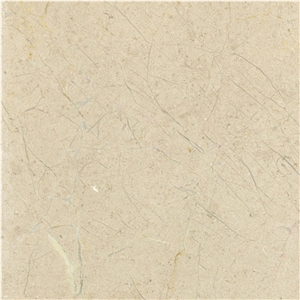
Karnezeika Beige Marble

Beige - Marble

Greece

About

Item Details

Material Type:
Marble
Origin:
Greece (Karnazeika, Argolis, Peloponnese)
Primary Color(s):
Beige
Recommended Usage:
Kitchen and bathroom countertops, wash basins, building stone, ornamental stone, stairs, interior, exterior wall and floor applications, mosaic, waterjet pattern, wall panels, table tops, balustrades, columns, wall and pool copings, pool pavers, sculptures, fireplaces
Additional Names:
Karnezeika Marble, Carnazeika Beige Marble, Beige Karnazeika Marble, Karnazeiko Banded Marble, Carnazeika Beige Limestone, Beige Karnazeika Marble, Karnezeika Limestone, Carnis Breccia Marble, Carnis Venato Marble, Karnezeika Marble, Carnazeika Marble, Carnazeika Beige Marble, Karnazeika Beige Marble, Karnazeika Breccia Marble, Karnezeiko Marble, Karnis Banded Marble, Karnis Beige Marble, Karnazeiko Banded Marble, Karnazeika Beige Marble, Karnazeiko Marble, Karnezeika Beige, Karnezeika Beige Marble
Finished Surface:
Polished,Bush Hammered,Tumbled,Brushed,Honed,Split,Machine Cut,Natural Surface,Sandblasted,Combed,Leathered,Water Jet,Chiseled,Pickling

Testing

Water Absorption:
0.15 - 0.23 By weight %
Density:
2710 kg/m3
Flexural Strength:
14.2 MPa
Compressive Strength:
97.9 MPa

Description

Karnezeika Beige Marble is a distinctive brecciated marble from the Argolis region in the Peloponnese, Greece. Known for its warm, earthy palette, it features a unique mosaic-like appearance with angular fragments in beige, ivory, soft brown, and light grey tones. Here is a detailed description of its properties, composition, uses, maintenance, available cutting sizes, and surface finish options:

Physical and Mechanical Properties

  • Water Absorption: 0.15 - 0.23% by weight
  • Density: 2710 kg/m³
  • Flexural Strength: 14.2 MPa
  • Compressive Strength: 97.9 MPa
  • Hardness: Generally measured by the Mohs scale; typical marble hardness ranges around 3-4.
  • Porosity: Generally low due to its compact nature, contributing to its durability.
  • Slip Resistance: Varies with finish; polished surfaces are less slip-resistant, whereas honed or textured finishes can improve slip resistance.

Chemical and Mineral Composition

  • Calcium Carbonate (CaCO3): Predominantly composed of calcite (accounts for most of the marble).
  • Silicates: Present in smaller quantities, influencing the color and pattern.
  • Iron Oxides: Provide the range of earthy tones, contributing to the beige and brown hues.
  • Trace Minerals: These can include quartz, mica, and other components adding to its color variety.

Usage

  • Interior Applications: Ideal for flooring, wall cladding, countertops, and decorative features due to its aesthetic appeal.
  • Exterior Applications: Sometimes used in exterior cladding and landscaping, although surface treatments are recommended to enhance durability and slip resistance.
  • Artistic Elements: Used for sculptural elements and artistic installations due to its distinctive appearance.

Maintenance

  • Regular Cleaning: Use a mild, pH-balanced cleaner to preserve its natural beauty and prevent etching.
  • Sealing: Periodic sealing is recommended to protect against staining and moisture absorption.
  • Avoid Acidic Substances: Acidic cleaners and spills can etch or stain the marble surface.

Cutting Sizes

Commonly available in a variety of sizes to suit different applications, including:

  • Tiles: Typically cut into standard sizes such as 30x30 cm, 30x60 cm, and 60x60 cm.
  • Slabs: Available in larger formats, often around 2 cm or 3 cm thickness, which can be customized based on project requirements.

Surface Finish Options

  • Polished: Offers a high-gloss, luxurious finish that enhances the color and patterns.
  • Honed: Provides a matte finish with a smooth surface, offering a more subdued, natural look.
  • Brushed: Adds texture to the surface, improving slip resistance while maintaining visual appeal.
  • Antiqued: Gives a weathered, rustic appearance, ideal for traditional or rustic designs.

Karnezeika Beige Marble’s combination of aesthetic charm and practical properties makes it a popular choice in both residential and commercial projects, offering versatility and an elegant visual impact across a range of applications.

APPARENT SPECIFIC DENSITY (ASTM C-97): 2710 kg/m³

WATER ABSORPTION (% wt, ASTM C-97): 0.26

COMPRESSIVE STRENGTH (ASTM C-170): 96 MPa

FLEXURAL STRENGTH – Wet Condition (ASTM C-99): 14 MPa

ABRASION RESISTANCE (DIN 52108 – 20 Cycles): 2.88 mm

MINERALOGICAL COMPOSITION (% wt):

  • Calcite: 95.00
  • Dolomite: 3.00
  • Quartz: 1.00
  • Clay Minerals: 1.00

CHEMICAL ANALYSIS (% wt):

  • CaO: 52.00
  • MgO: 2.30
  • SiO₂: 1.10
  • Fe₂O₃: 0.49
  • Al₂O₃: 0.34
  • K₂O: 0.06
  • Na₂O: 0.09
  • MnO: 0.01
  • LOI: 43.90

FAQ

How thick is Greece's Karnezeika Beige Marble slabs?

The thickness of Greeces Karnezeika Beige Marble slabs can vary depending on customer preferences and project requirements. However, typical thickness options for marble slabs, including Karnezeika Beige Marble, range from 20mm (0.79 inches) to 30mm (1.18 inches).

Can Greece's Karnezeika Beige Marble be used exterior applications in very windy climates?

Greeces Karnezeika Beige Marble can be used for exterior applications in windy climates, but it is important to consider certain factors before making the decision. Marble is a natural stone, and while it is durable and suitable for outdoor use, it is not as dense or resistant to physical stress as other stone materials, such as granite. Wind can carry small particles and debris, and in very windy climates, these particles can cause wear and tear on the marble surface over time. Additionally, strong gusts of wind can potentially cause larger debris, such as tree branches or objects, to impact the marble, potentially leading to cracks or breakage. To mitigate these risks and ensure the durability of the marble in windy climates, proper installation and maintenance are crucial. Here are some considerations: 1. Choose an experienced and knowledgeable installer who can properly prepare the site and ensure the marble is securely fixed. 2. Use appropriate installation techniques, such as backer rods, sealants, and anchoring systems, to enhance the stability of the marble. 3. Regularly inspect and clean the marble to remove any debris that could cause abrasion. 4. Consider applying a protective sealant to help prevent staining and minimize the effects of wind-blown particles. 5. Install windbreaks or barriers in areas where the marble is more exposed to heavy winds, to reduce the impact of flying debris. By taking these precautions, it is possible to use Greeces Karnezeika Beige Marble for exterior applications in very windy climates. However, understanding the limitations and properly maintaining the marble will be essential for its long-term durability and aesthetic appeal.

Can Greece's Karnezeika Beige Marble be used in floor coverings?

Yes, Greeces Karnezeika Beige Marble can be used as a floor covering material. Marble is a popular choice for flooring due to its durability, elegance, and natural beauty. Karnezeika Beige Marble, with its beige color, can add a warm and timeless look to any space. However, it is important to consider factors such as maintenance, porosity, and slip resistance when using marble for floor coverings.

Are there color variations of Greece's Karnezeika Beige Marble?

Yes, there are color variations of Greeces Karnezeika Beige Marble. The marble can vary in shade from light beige to darker beige, and some pieces may have variations in veining and patterning. Additionally, the intensity of the color can also vary depending on the specific quarry and batch of the marble.

Can Greece's Karnezeika Beige Marble be used in a living room?

Yes, Greeces Karnezeika Beige Marble can certainly be used in a living room. It can be utilized for various applications in the living room, such as flooring, fireplace surrounds, accent walls, or even as a countertop for a coffee table or side table. The beige color of the marble can create a warm and elegant atmosphere in the living room, and its natural patterns and textures can add visual interest to the space.

What is the coefficient of friction of Polished Greece's Karnezeika Beige Marble tiles?

I cannot browse the internet or collect data that quickly to provide an up-to-date answer to that question. However, the coefficient of friction of polished marble tiles can vary based on many factors, including the specific type of marble, its finish, how its installed, and many environmental factors. Its essential to consult with a manufacturer or supplier for the specific information regarding the coefficient of friction for these tiles.

Is Greece's Karnezeika Beige Marble an expensive stone?

I do not have access to the current market price fluctuations or real-time market data. However, generally, Karnezeika Beige Marble is considered a mid to high-range priced stone, depending on the quality, finish, and quantity. The final cost of the marble slab or tile will also vary according to the location, demand, and shipping costs. It is always recommended to check with your local supplier or trader to get the latest pricing information on the Karnezeika Beige marble.

Products & Prices

View More

Hot Beige Marble

New Marble

Post Your Request

The request includes:
  1. surface finished, size
  2. quantity required