Post Your Needs

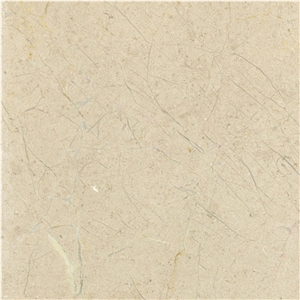
Karnis Classic Marble

Beige - Marble

Greece

About

Item Details

Material Type:
Marble
Origin:
Greece (Karnazeika, Argolis, Peloponnese)
Primary Color(s):
Beige
Recommended Usage:
Kitchen and bathroom countertops, wash basins, building stone, ornamental stone, stairs, interior, exterior wall and floor applications, mosaic, waterjet pattern, wall panels, table tops, balustrades, columns, wall and pool copings, pool pavers, sculptures, fireplaces
Additional Names:
Karnezeika Marble, Carnazeika Beige Marble, Beige Karnazeika Marble, Carnazeika Beige Limestone, Karnezeika Beige Marble, Karnezeika Limestone, Carnis Breccia Marble, Carnis Venato Marble, Karnazeika Beige Marble, Karnazeika Breccia Marble, Karnis Beige Marble, Karnazeiko Marble, Karnis Classic, Karnis Classic Marble
Finished Surface:
Polished,Bush Hammered,Tumbled,Brushed,Honed,Split,Machine Cut,Natural Surface,Sandblasted,Combed,Leathered,Water Jet,Filled,Chiseled,Pickling

Testing

Water Absorption:
1.7 %
Density:
2690 kg/m3
Flexural Strength:
13.9 MPa
Compressive Strength:
147.0 MPa
Stone texture:
brecciated marble from Greece, featuring a warm palette of dark to light beige, ivory, soft brown, and light grey tones with a distinctive mosaic-like appearance created by its angular fragments

Description

Karnis Classic Marble is a distinguished calcitic marble from the region of Karnazeika, Argolis, in the Peloponnese, Greece. It is recognized for its warm color palette ranging from dark to light beige, ivory, soft brown, and light grey tones, creating a striking mosaic-like appearance through its natural angular fragments. This marble's unique aesthetic makes it a preferred choice for numerous architectural and design applications.

Physical and Mechanical Properties:

  • Mineralogical Description (EN 12407 / EN 12670): Marble
  • Water Absorption: 1.7%
  • Density: 2690 kg/m³
  • Flexural Strength: 13.9 MPa
  • Compressive Strength: 147.0 MPa
  • Hardness: (not explicitly specified, but typically high in marble)
  • Porosity: Moderate, affecting water absorption and strength
  • Slip Resistance: Often depends on the surface finish but generally moderate; polished surfaces are more slippery, while honed or textured finishes may offer better traction.

Test Result - Physical Mechanical Properties

  • Apparent density (EN 1936): 2700 kg/m³
  • Open porosity (EN 1936): 1.7 % vol.
  • Water absorption at atmospheric pressure (EN 13755): 0.1 % wt.
  • Uniaxial compressive strength (EN 1926): 132 MPa
  • Flexural strength under concentrated load (EN 12372): 13.9 MPa
  • Breaking load at dowel hole (EN 13364): 2050 N
  • Abrasion resistance (EN 14157 – Method B): 10611 mm³
  • Rupture energy (EN 14158): 3 Joule
  • Frost resistance (EN 12371 & EN 12372): 14.2 MPa

Chemical and Mineral Compositions:

Mineralogical Composition: 100% Calcite

Chemical Composition (% in dry substance)

  • SiO₂:​ 0.80
  • Al₂O₃:​ 0.35
  • Fe₂O₃:​ 0.35
  • CaO:​ 54.00
  • MgO:​ 0.60
  • MnO:​ 0.25
  • TiO₂:​ 0.01
  • K₂O:​ 0.03
  • Na₂O:​ 0.01
  • LOI:​ 43.2

Usage:

  • Interior Flooring: Highly favored for its aesthetic appeal in residential and commercial spaces.
  • Wall Cladding: Offers a luxurious and refined look to interior and exterior walls.
  • Bathroom Vanities and Countertops: Resistant to heat and relatively easy to maintain.
  • Architectural Elements: Often used in columns, stairs, and fireplaces for its structural properties and beauty.

Maintenance:

  • Regular Cleaning: Use a mild detergent and a soft cloth to maintain its shine and prevent etching.
  • Sealing: It is advisable to seal the marble surface periodically to protect it from stains and moisture absorption.
  • Avoid Harsh Chemicals: Acidic or abrasive cleaners can damage the marble surface.

Cutting Sizes (in cm):

  • Tile Size: Commonly available in 30x30, 30x60, and 60x60 cm
  • Slab Size: Typically can be cut to custom sizes based on project requirements

Surface Finish Options:

  • Polished: Offers a high-gloss, reflective surface that enhances the natural colors and patterns of the marble.
  • Honed: Provides a smooth, matte finish that is less reflective and contributes to a more subtle, understated elegance.
  • Brushed/Antique: Creates a rustic, textured appearance with a softer surface feel.
  • Bush-Hammered: A more rugged texture, offering excellent slip resistance and a unique tactile quality.

Karnis Classic Marble is thus a versatile and premium choice for a wide array of design and architectural applications, offering both aesthetic appeal and functional resilience. Proper care and maintenance ensure its longevity and sustained beauty over time.

FAQ

Can Greece's Karnis Classic Marble be used indoors?

Yes, Greeces Karnis Classic Marble can be used indoors. It is a commonly used marble for interior applications such as flooring, walls, countertops, and other decorative elements in residential and commercial spaces.

Are there color variations of Greece's Karnis Classic Marble?

Yes, there are color variations of Greeces Karnis Classic Marble. The marble is known for its white base color with varying degrees of grey veining and patterns. However, the exact colors and patterns can vary from slab to slab and quarry to quarry. Some variations may have more prominent grey veining or include hints of gold, green, or blue undertones. It is always best to check with a marble supplier or visit the quarry to see the range of color variations available.

Can Greece's Karnis Classic Marble be used in a dining room?

Yes, Greeces Karnis Classic Marble can be used in a dining room. Marble is a popular choice for dining rooms due to its elegance and durability. It can be used for various elements in the dining room such as flooring, tabletops, or even as a decorative feature on the walls. It adds a luxurious and timeless touch to the space and can enhance the overall aesthetic of the dining room.

Can Greece's Karnis Classic Marble be used exterior applications in very windy climates?

Greeces Karnis Classic Marble can be used in exterior applications, including in windy climates. However, it is important to note that natural stones, including marble, can be more susceptible to erosion and weathering when exposed to harsh environmental conditions. In very windy climates, the constant bombardment of wind-driven particles and debris can potentially cause damage and wear down the surface of the marble over time. Therefore, it is advisable to properly assess the specific conditions and use appropriate protective measures or maintenance routines, such as sealing, to minimize potential damage and ensure the longevity of the marble in such environments. Consulting with a professional or supplier experienced in working with natural stone materials in windy climates can provide more specific advice tailored to the situation.

What grade is Greece's Karnis Classic Marble?

I do not have access to recent grades or evaluations of specific types of marble. However, the quality of marble can be determined by its color, texture, and durability, among other factors. Greece is known for producing high-quality marble, and the countrys Karnis Classic Marble is a popular choice among architects and designers worldwide.

Is Greece's Karnis Classic Marble an expensive stone?

I do not have access to real-time or current pricing information. However, Karnis Classic Marble is generally considered an expensive stone due to its high quality and beauty. The price can also vary depending on the size and location of the quarry, as well as the demand in the market. It is recommended to consult with experts in the industry for accurate pricing information.

Products & Prices

Hot Beige Marble

New Marble

Post Your Request

The request includes:
  1. surface finished, size
  2. quantity required