Post Your Needs

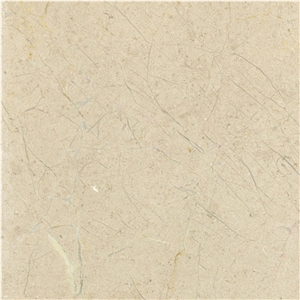
Karnis DG Marble

Beige - Marble

Greece

About

Item Details

Material Type:
Marble
Origin:
Greece (Karnazeika, Argolis, Peloponnese)
Primary Color(s):
Beige
Recommended Usage:
kitchen and bathroom countertops, wash basins, building stone, ornamental stone, stairs, interior, exterior wall and floor applications, mosaic, waterjet pattern, wall panels, table tops, balustrades, columns, wall and pool copings, pool pavers, fireplaces, window sills
Additional Names:
Karnis Marble, Karnis Beige Marble, Karnezeika Beige Marble, Karnazeiko Marble, Karnis DG Marble
Finished Surface:
Polished,Bush Hammered,Tumbled,Brushed,Honed,Split,Machine Cut,Natural Surface,Sandblasted,Combed,Leathered,Water Jet,Filled,Chiseled,Pickling

Testing

Water Absorption:
1.7 %
Density:
2690 - 2700 kg/m3
Flexural Strength:
13.9 MPa
Compressive Strength:
132.0 - 147.0 MPa
Stone texture:
a base color ranging from medium to dark grey with subtle smoky and graphite undertones, enriched by lighter calcitic fragments in shades of pale grey, off-white, and soft beige. These angular fragments create a natural brecciated mosaic structure, giving the surface strong depth, contrast, and a refined architectural character

Description

Karnis DG Marble is a distinguished type of marble quarried from Karnazeika in the Argolis region of the Peloponnese, Greece. It features a base color ranging from medium to dark grey with subtle smoky and graphite undertones. This natural stone is enriched with lighter calcitic fragments in varying shades of pale grey, off-white, and soft beige. These angular fragments form a natural brecciated mosaic structure, providing the marble with strong depth, contrast, and a refined architectural character.

Physical and Mechanical Properties:

  • Apparent density (EN 1936): 2700 kg/m³
  • Open porosity (EN 1936): 1.7 % vol.
  • Water absorption at atmospheric pressure (EN 13755): 0.1 % wt.
  • Uniaxial compressive strength (EN 1926): 132 MPa
  • Flexural strength under concentrated load (EN 12372): 13.9 MPa
  • Breaking load at dowel hole (EN 13364): 2050 N
  • Abrasion resistance (EN 14157 – Method B): 10611 mm³
  • Rupture energy (EN 14158): 3 Joule
  • Frost resistance (EN 12371 & EN 12372): 142 MPa
  • Hardness: Typically rated around 3 on Mohs scale (marble is generally between 3-5)
  • Porosity: Low to moderate, contributing to its structural integrity
  • Slip Resistance: Varies based on finish; honed surfaces have moderate slip resistance, while polished surfaces have lower slip resistance

Chemical and Mineral Composition:

  • Karnis DG – Mineralogical Description (EN 12407 / EN 12670): Marble

Mineralogical Composition

  • 96% Calcite
  • 3% Dolomite
  • 1% Quartz

Chemical Composition (% in dry substance)

  • SiO₂: 0.80%
  • Al₂O₃: 0.35%
  • Fe₂O₃: 0.35%
  • CaO: 54.00%
  • MgO: 0.60%
  • MnO: 0.25%
  • TiO₂: 0.01%
  • K₂O: 0.03%
  • Na₂O: 0.01%
  • LOI: 43.2%

Usage:

Interior Applications:

  • Flooring
  • Wall cladding
  • Staircases
  • Bathrooms
  • Kitchen countertops

Exterior Applications:

  • Facades
  • Pool surrounds

Maintenance:

  • Regular cleaning with a pH-neutral cleaner.
  • Avoid acidic or abrasive cleaning agents that can erode the surface.
  • Periodic sealing is recommended to maintain finish and prevent staining.

Cutting Sizes (in cm):

  • Commonly available in slab sizes such as:
  • 60x60
  • 80x80
  • 90x90
  • Custom sizes and large slabs are also available for bespoke projects.

Available Common Surface Finish Options:

  • Polished: High gloss finish that enhances color and veining; suitable for interiors.
  • Honed: Smooth, matte finish that provides slip resistance and a subtle look.
  • Brushed/Leathered: Textured finish that highlights natural patterns and provides enhanced grip.

Karnis DG Marble is widely appreciated for its versatility, unique aesthetic appeal, and ability to enhance both contemporary and traditional architectural designs. Its durable nature makes it suitable for both residential and commercial projects, offering timeless elegance and robust functionality.

FAQ

Can Greece's Karnis DG Marble be used in landscaping?

Yes, Greeces Karnis DG Marble can be used in landscaping. This marble is known for its attractive gray and white veining, which adds a sophisticated and luxurious touch to any outdoor space. It can be used for various purposes in landscaping, such as creating pathways, garden borders, retaining walls, decorative features, and paving. Additionally, Karnis DG Marble is durable and weather-resistant, making it suitable for long-lasting use in outdoor environments.

Can Greece's Karnis DG Marble be used exterior applications in very rainy climates?

Greeces Karnis DG Marble can potentially be used for exterior applications in very rainy climates. Marble is generally known for its durability and ability to withstand weathering. However, it is important to note that each marble variety and quarry can have unique characteristics and perform differently in various environmental conditions. To determine if Karnis DG Marble is suitable for exterior use in very rainy climates, it is recommended to consult with professionals such as architects, designers, or stone experts, as they can provide specific advice based on the marbles properties and the local climate conditions. Factors to consider include the marbles water absorption rate, porosity, and resistance to freezing temperatures. A low water absorption rate, low porosity, and good freeze-thaw resistance are desirable qualities for exterior marble applications in rainy climates. Additionally, proper installation techniques, such as using appropriate sealants and ensuring proper drainage, can enhance the marbles performance and longevity.

What grade is Greece's Karnis DG Marble?

There is no specific grade for Greeces Karnis DG Marble as it is a type of marble and not a grade. Grades in marble typically refer to the quality and characteristics of the stone, such as color, veining, and texture.

Can Greece's Karnis DG Marble be used in a bathroom?

Yes, Greeces Karnis DG Marble can be used in a bathroom. Marble is a popular choice for bathroom applications due to its natural beauty, durability, and resistance to moisture. It can be used for various purposes in a bathroom, such as countertops, shower walls, flooring, and other decorative elements. However, it is important to properly seal and maintain marble in a bathroom to prevent staining and damage from water and other bathroom products.

Can Greece's Karnis DG Marble be used outdoors?

Yes, Greeces Karnis DG Marble can be used outdoors. This marble is known for its durability and resistance to weather conditions, making it suitable for outdoor applications such as building facades, flooring, and other architectural elements. However, it is important to note that regular maintenance and sealing may be required to ensure its long-term performance in outdoor environments.

What is the coefficient of friction of Pickled Greece's Karnis DG Marble tiles?

I apologize, but I couldnt find specific information about the coefficient of friction for Pickled Greeces Karnis DG Marble tiles. The coefficient of friction can vary depending on factors such as the surface finish, texture, and specific manufacturing processes. It is best to contact Pickled Greece or refer to their product documentation for accurate information about the coefficient of friction for their specific tile product.

How thick is Greece's Karnis DG Marble slabs?

There is no specific information available about the exact thickness of Greeces Karnis DG Marble slabs. The thickness of marble slabs can vary depending on the specific quarry and processing methods. It is recommended to contact the supplier or quarry directly for accurate information about the thickness of Karnis DG Marble slabs.

Are there color variations of Greece's Karnis DG Marble?

I do not have the ability to see images. However, as per my research, Greeces Karnis DG Marble appears to be a white or off-white marble with grey veins and occasional golden hues. There may be some color variations, but they are likely to be subtle and within the same color spectrum.

Is Greece's Karnis DG Marble an expensive stone?

I do not have access to real-time market pricing information. However, in general, Greeces Karnis DG Marble is known for its high quality and exquisite beauty, and is considered a luxury stone, thus it is likely to be expensive. Pricing may vary based on factors such as grade, rarity, availability, and market demand.

Products & Prices

Hot Beige Marble

New Marble

Post Your Request

The request includes:
  1. surface finished, size
  2. quantity required