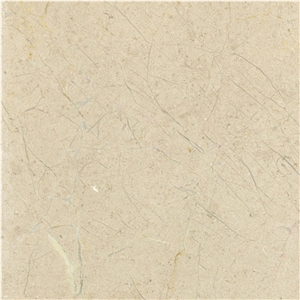
Karnis Special Marble

About
Item Details
- Material Type:
- Marble
- Origin:
Greece (Karnazeika, Argolis, Peloponnese) - Primary Color(s):
- Beige
- Recommended Usage:
- Kitchen and bathroom countertops, wash basins, building stone, ornamental stone, stairs, interior, exterior wall and floor applications, mosaic, waterjet pattern, wall panels, table tops, balustrades, columns, wall and pool copings, pool pavers, sculptures, fireplaces
- Additional Names:
- Karnezeika Marble, Carnazeika Beige Marble, Beige Karnazeika Marble, Carnazeika Beige Limestone, Karnezeika Beige Marble, Karnezeika Limestone, Carnis Breccia Marble, Carnis Venato Marble, Karnazeika Beige Marble, Karnazeika Breccia Marble, Karnis Beige Marble, Karnazeiko Marble, Karnis Special
- Finished Surface:
- Polished,Bush Hammered,Tumbled,Brushed,Honed,Split,Machine Cut,Natural Surface,Sandblasted,Combed,Leathered,Water Jet,Filled,Chiseled,Pickling
Testing
- Water Absorption:
- 1.7 %
- Density:
- 2690 kg/m3
- Flexural Strength:
- 13.9 MPa
- Compressive Strength:
- 147.0 MPa
- Stone texture:
- brecciated marble from Greece, featuring a dark palette of beige, ivory, soft brown, and light grey tones with a distinctive mosaic-like appearance created by its angular fragments
Description
Karnis Special Marble is a brecciated marble variety extracted from the region of Karnazeika in Argolis, Peloponnese, Greece. It is renowned for its luxurious appearance characterized by angular fragments, giving it a distinctive mosaic-like appearance. The color palette includes dark tones of beige, ivory, soft brown, and light grey, making it a versatile choice for various design applications.
Physical and Mechanical Properties:
- Water Absorption: 1.7%
- Density: 2690 kg/m³
- Flexural Strength: 13.9 MPa
- Compressive Strength: 147.0 MPa
- Hardness: Generally around 3-4 on the Mohs scale (typical for marble)
- Porosity: Low to medium; specific percentage typically provided by quarry reports
- Slip Resistance: Depending on finish, but polished surfaces may generally have lower slip resistance
Chemical and Mineral Compositions (% by weight):
- Calcium Carbonate (CaCO3): Predominantly >90%
- Silica (SiO2): Minor amounts
- Aluminum Oxide (Al2O3): Trace elements
- Iron Oxide (Fe2O3): Imparts the brown tonalities, minor presence
- Magnesium Carbonate (MgCO3): May be present in varying quantities
Usage:
- Architectural applications: ideal for high-end residential and commercial projects.
- Interior use: floors, walls, countertops, and backsplashes.
- Suitable for customized furniture tops like tables or decorative elements.
- Exterior use is possible but considered carefully due to potential weathering.
Maintenance:
- Cleaning: Use a pH-neutral, non-abrasive cleaner specifically designed for natural stone.
- Sealing: Recommended to maintain the stone's appearance and protect from stains.
- Routine Maintenance: Regular dusting and immediate clean-up of spills prevent surface staining.
Standard Cutting Sizes (in cm):
- Tiles: Commonly available in sizes like 30x30, 30x60, and 60x60 cm.
- Slabs: Typically about 2-3 cm in thickness, dimensions vary based on quarry yield.
- Custom Sizes: Available upon request depending on project requirements.
Surface Finish Options:
- Polished: Offers a high-gloss finish that enhances color and veining.
- Honed: Provides a smooth, matte finish suitable for non-slip areas.
- Brushed/Leathered: Offers a textured finish that adds depth without high sheen.
- Acid-Washed: Uses a chemical process to create an antiqued appearance.
- Sandblasted: Provides a rougher surface for higher slip resistance, ideal for exteriors.
Karnis Special Marble, with its distinct appearance and robust properties, remains a popular choice for designers and architects looking to infuse elegance and durability into their projects. Its maintenance routine and varied finishes allow for versatile applications both indoors and outdoors.
FAQ
Yes, Greeces Karnis Special Marble can be used in a kitchen. Marble is a popular choice for kitchen countertops and backsplashes due to its natural beauty, durability, and heat resistance. However, it is important to note that marble is a porous material, which means it can stain or etch if not properly sealed and maintained. Regular sealing and careful maintenance are necessary to keep the marble in good condition in a kitchen environment. Additionally, it is advisable to avoid cutting directly on the marble surface as it can scratch.
Can Greece's Karnis Special Marble be used exterior applications in very dusty climates?
Yes, Greeces Karnis Special Marble can be used for exterior applications in very dusty climates. This marble is known for its durability and resistance to external factors. However, regular maintenance and cleaning may be necessary to keep the marble in good condition and to remove any accumulated dust.
Are there color variations of Greece's Karnis Special Marble?
Yes, Greeces Karnis Special Marble is known to have color variations. The most common colors include white, grey, beige, cream, and light brown. However, it is important to note that marble is a natural stone, and variations in color, veining, and patterns are common, making each piece unique.
Can Greece's Karnis Special Marble be used in landscaping?
Yes, Greeces Karnis Special Marble can be used in landscaping. Marble is a versatile natural stone that is often used in landscaping projects for its aesthetic appeal and durability. It can be used for a variety of applications such as pathways, patios, garden borders, retaining walls, water features, and decorative elements in landscaping design. The Karnis Special Marble from Greece, with its unique veining patterns and color variations, can add a touch of elegance and sophistication to any outdoor space.
What is the average density of Greece's Karnis Special Marble?
The average density of Greeces Karnis Special Marble is approximately 2.82 grams per cubic centimeter.
How thick is Greece's Karnis Special Marble slabs?
The thickness of Greeces Karnis Special Marble slabs can vary but a common thickness is around 2 centimeters (0.79 inches). However, it can also be found in 3 centimeters (1.18 inches) thickness or even custom thicknesses depending on the customers requirements.
What is the coefficient of friction of Chiseled Greece's Karnis Special Marble tiles?
The coefficient of friction for Chiseled Greeces Karnis Special Marble tiles would need to be obtained from the manufacturer or supplier of the tiles. It can vary depending on the specific type of marble, the finish or texture of the tiles, and any additional treatments or coatings applied. Contacting the manufacturer or referring to the product data sheets would be the best way to obtain the coefficient of friction for these tiles.
Can Greece's Karnis Special Marble be used outdoors?
Yes, Greeces Karnis Special Marble can be used outdoors. This marble is known for its durability and resistance to weathering, which makes it suitable for outdoor applications such as paving, cladding, and landscaping. It can withstand extreme temperatures, moisture, and sunlight without losing its structural integrity or aesthetic appeal.
What grade is Greece's Karnis Special Marble?
Greeces Karnis Special Marble is typically considered a grade A marble.
Is Greece's Karnis Special Marble an expensive stone?
I do not have access to real-time market data, so I cannot give a definitive answer. However, Karnis special marble is a type of white marble with unique blue-gray veins, which suggests that it could be more valuable and expensive than other types of marble. The price of any marble depends on various factors such as quality, rarity, supply and demand, and location. It is best to consult with experts in the marble industry to get a more precise idea of the stones current market value.