Post Your Needs

Kilimanjaro Granite

Multicolor - Granite

India

About

Item Details

Material Type:
Granite
Origin:
India
Primary Color(s):
Multicolor
Recommended Usage:
Kitchen and bathroom countertops, monuments, building stone, ornamental stone, stairs, interior, exterior wall and floor applications, mosaic, waterjet pattern, wall panels, table tops, window sills, balustrades, columns, wall and pool copings, pool pavers, sculptures, fireplaces
Additional Names:
Kilimanjaro Brown Granite, Kilimanjaro Gray Granite, Snake Brown Granite, Kilimanjaro Snow Granite, Kilimanjaro Granite
Finished Surface:
Polished,Bush Hammered,Tumbled,Brushed,Honed,Split,Machine Cut,Natural Surface,Sandblasted,Combed,Leathered,Water Jet,Filled,Chiseled,Pickling

Testing

Water Absorption:
0.2 – 0.4 % by weight
Density:
2630 – 2700 kg/m³
Flexural Strength:
14 – 18 MPa
Compressive Strength:
160 – 180 MPa

Description

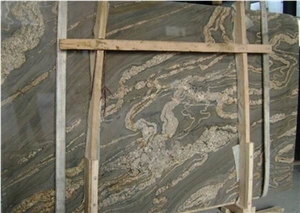
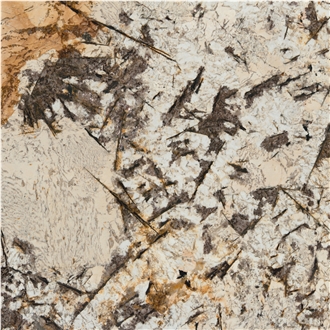
Kilimanjaro Granite is an exotic natural stone quarried in India, characterized by its stunning silver gray to brown base. This granite features intricate veining patterns that add a sense of movement and elegance to its appearance. The veining consists of semi-white to golden beige waves and dark veins, creating a captivating contrast against the base color.

The silver gray to brown base of Kilimanjaro Granite provides a neutral and earthy foundation, offering versatility in design applications. The unique veining patterns are the highlight of this granite, with semi-white to golden beige waves flowing across the surface, creating a sense of fluidity and sophistication. Interspersed among these lighter veins are darker veins that add depth and complexity to the overall aesthetic.

Physical & Mechanical Properties (typical granite values, indicative ranges)

  • Apparent Density (EN 1936): ~2,630 – 2,700 kg/m³
  • Water Absorption (EN 13755): 0.2 – 0.4 % by weight
  • Open Porosity (EN 1936): ~0.3 %
  • Compressive Strength (EN 1926): 160 – 180 MPa
  • Flexural Strength (EN 12372): 14 – 18 MPa
  • Abrasion Resistance (EN 14157): Excellent (18 – 22 mm wide wheel abrasion)
  • Frost Resistance (EN 12371): Very good; maintains strength after 48 cycles
  • Hardness Mohs Hardness: 6.5 – 7.0
  • Scratch Resistance: Very high; suitable for heavy-use areas

Chemical Composition (% by weight, typical granite range)

  • SiO₂ (Silica): 65 – 72 %
  • Al₂O₃ (Alumina): 14 – 16 %
  • K₂O + Na₂O (Alkalis): 4 – 6 %
  • Fe₂O₃ + FeO (Iron Oxides): 2 – 3 %
  • CaO + MgO: 1 – 2 %
  • Trace Elements (TiO₂, MnO, etc.): < 1 %

Mineral Composition (% by weight)

  • Quartz: 25 – 30 %
  • Feldspar (Alkali Feldspar & Plagioclase): 55 – 65 %
  • Mica (Biotite, Muscovite): 5 – 8 %
  • Accessory Minerals (zircon, apatite, magnetite, etc.): < 1 %

Quarried in India, Kilimanjaro Granite is highly regarded for its exotic and high-quality characteristics. Its distinctive color variations and veining make it a sought-after choice for countertops, flooring, wall cladding, and other design elements where a touch of sophistication and uniqueness is desired.

The combination of a silver gray to brown base with semi-white to golden beige waves and dark veining patterns gives Kilimanjaro Granite a luxurious and exotic appeal, making it an ideal option for those looking to create distinctive and visually striking spaces.

FAQ

Can Brazil's Kilimanjaro Granite be used in a office?

Yes, Brazils Kilimanjaro Granite can be used in an office. Granite is a durable and versatile material that is commonly used for various applications, including office spaces. It can be used for office countertops, desktops, conference tables, reception desks, and other surfaces. Brazils Kilimanjaro Granite, known for its unique patterns and colors, can add a sophisticated and elegant look to an office environment.

Can Brazil's Kilimanjaro Granite be used exterior applications in very humid climates?

Yes, Brazils Kilimanjaro Granite can be used for exterior applications in very humid climates. Granite is known for its durability and resistance to extreme weather conditions, including high humidity. It is a popular choice for outdoor applications such as facades, pavements, and landscaping. Additionally, Brazils Kilimanjaro Granite is specifically known for its aesthetic appeal and strength, making it suitable for various exterior projects in humid climates. However, it is important to note that proper installation and maintenance practices should be followed to ensure the longevity and performance of the granite in such environments.

Can Brazil's Kilimanjaro Granite be used in floor coverings?

Yes, Brazils Kilimanjaro Granite can be used in floor coverings. Granite is a durable and versatile material often used in flooring products. It is known for its strength, resistance to scratches, heat, and stains, making it suitable for high-traffic areas such as floors. Kilimanjaro Granite, specifically sourced from Brazil, can be an attractive option for floor coverings due to its unique color patterns and aesthetic appeal.

What grade is Brazil's Kilimanjaro Granite?

There is no specific grade assigned to Brazils Kilimanjaro Granite as different grades of granite are determined based on various factors such as color, pattern, and quality. The specific grade of a granite variety can also vary among different suppliers and manufacturers. It is recommended to consult with a granite supplier or manufacturer for more specific information regarding the grade of Brazils Kilimanjaro Granite.

Are there color variations of Brazil's Kilimanjaro Granite?

There are several color variations of Brazils Kilimanjaro Granite. The most common colors include white, gray, beige, and black. However, it is important to note that these colors can vary depending on the specific quarry and location within Brazil. Additionally, there may be additional variations and unique patterns within each color range. It is always recommended to see actual samples or consult with a stone supplier for a more accurate representation of the available color variations.

What is the coefficient of friction of Pickled Brazil's Kilimanjaro Granite tiles?

Without specific information about the particular type of Kilimanjaro Granite tiles from Pickled Brazil, it is difficult to determine the exact coefficient of friction. The coefficient of friction can vary depending on various factors such as surface finish, texture, and presence of any coatings. It is recommended to contact the manufacturer or supplier for the specific coefficient of friction of the tiles you are interested in.

Can Brazil's Kilimanjaro Granite be used outdoors?

Yes, Brazils Kilimanjaro Granite can be used outdoors. Granite is a popular choice for outdoor applications due to its durability, resistance to weathering, and ability to withstand high temperatures. It is commonly used for outdoor flooring, countertops, walls, and other outdoor structures. Just like any other granite, Brazils Kilimanjaro Granite can be safely used outdoors and will maintain its beauty and strength for a long time with proper care and maintenance.

How thick is Brazil's Kilimanjaro Granite slabs?

The thickness of Brazils Kilimanjaro Granite slabs can vary depending on the specific supplier or manufacturer. However, common thicknesses for granite slabs, including Kilimanjaro Granite, typically range from 2 centimeters (0.78 inches) to 3 centimeters (1.18 inches). However, it is always best to check with the supplier or manufacturer to determine the exact thickness options available for Brazils Kilimanjaro Granite slabs.

Is Brazil's Kilimanjaro Granite an expensive stone?

I do not have access to the current market prices of Kilimanjaro Granite in Brazil. However, in general, the price of granite varies significantly depending on various factors such as the quality, rarity, color, origin, and market demand. It is recommended to consult with a local supplier or stonemason to get the current price of Kilimanjaro Granite in Brazil.

Products & Prices

Hot Multicolor Granite

New Granite

Post Your Request

The request includes:
  1. surface finished, size
  2. quantity required