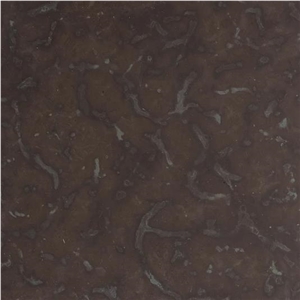
Kinnekulle Roedrosig Limestone is a distinctive natural stone originating from the Kinnekulle region in Sweden. Known for its unique aesthetic appeal, this limestone is characterized by its warm reddish-pink to deep red color, which is occasionally punctuated with lighter streaks or speckles and enriched with rosy tones. Its mottled appearance and natural tonal variations make it a sought-after choice for decorative and architectural use.
Physical and Mechanical Properties
- Water Absorption: 0.5% by weight
- Density: 2670 kg/m³
- Flexural Strength: 18.0 MPa
- Compressive Strength: 208.0 MPa
- Hardness: Typically moderate for limestone, suitable for general architectural applications.
- Porosity: Low, contributing to its durability and resistance to weathering.
- Slip Resistance: Generally good, but dependent on surface finish; rougher finishes provide better slip resistance.
Chemical and Mineral Composition
- Calcite (CaCO3): Dominant mineral, making up the majority of the stone.
- Iron Oxides: Responsible for the reddish-pink hues.
- Silica (SiO2): Present in minor amounts.
- Clay Minerals: Trace amounts that may contribute to texture.
Usage
- Architectural Applications: Ideal for cladding, flooring, and facing in both interior and exterior settings due to its appealing color and durability.
- Decorative Features: Often used in sculptures, fireplaces, and furniture pieces.
- Landscape Design: Used for garden ornaments and retaining walls where visual impact is desired.
- Historical Restoration: Employed in the renovation of historical buildings, especially in regions where it is indigenous.
Maintenance
- Sealing: Regular sealing recommended to enhance resistance to staining and extend the lifespan.
- Cleaning: Mild, non-acidic cleaners should be used to maintain its natural beauty and avoid damage.
- Repairs: Minor chips or scratches can be addressed with professional restoration services.
Cutting Sizes
- Custom sizes available to meet different project requirements, commonly cut into tiles and slabs based on architectural needs.
- Typical tile sizes: 30x30 cm, 40x40 cm, 60x60 cm.
- Slabs can vary significantly based on quarry extraction limitations and project specifications.
Surface Finish Options
- Polished: Achieves a glossy, reflective look that enhances color depth.
- Honed: Smooth and matte appearance, emphasizes stone’s natural beauty without gloss.
- Brushed: Offers a textured surface that provides increased slip resistance.
- Antiqued: Mimics weathered surfaces, adding a rustic charm.
- Sandblasted: Rough, non-reflective finish ideal for outdoor use.
The Thorsberg quarry in Kinnekulle is an active site, producing approximately 12,000 tons of stone annually. However, due to the quality constraints, only a limited portion is suitable for architectural purposes, with the remainder utilized as aggregate.
This limestone, with its fine-grained and dense texture, provides an excellent material for intricate detailing and high-quality finishing, fitting a range of architectural and decorative applications.


 Sweden

 Austria

 Spain

 Portugal



 Norway

 Croatia

 Bulgaria

 China

 France
