Post Your Needs

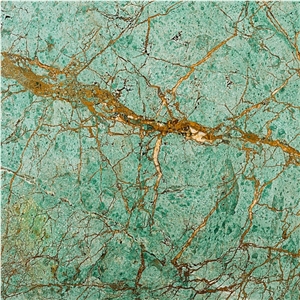
Larvik Emerald Blue Granite

Blue - Granite

Norway

About

Item Details

Material Type:
Granite
Origin:
Norway (Larvik)
Primary Color(s):
Blue
Recommended Usage:
kitchen and bathroom countertops, wash basins, building stone, ornamental stone, stairs, interior, exterior wall and floor applications, mosaic, waterjet pattern, wall panels, table tops, balustrades, columns, wall and pool copings, pool pavers, fireplaces, window sills
Additional Names:
Emerald Blue Granite, Blue Emerald Granite, Ocean Blue Pearl Granite Pearl Granite, Blue Green Star Granite, in China stone market:蓝绿星(Lán lǜ xīng), Emerald Blue
Finished Surface:
Polished,Flamed,Bush Hammered,Tumbled,Brushed,Honed,Split,Machine Cut,Natural Surface,Sandblasted,Acid Washing,Combed,Leathered,Water Jet,Filled,Chiseled,Pickling

Testing

Water Absorption:
0.16 %
Density:
2730 kg/m3
Flexural Strength:
11.6 - 12.6 MPa
Compressive Strength:
183 MPa
Stone texture:
a dark gray to bluish-black background with coarse-grained labradorite crystals that reflect shades of blue, green, and emerald

Description

Larvik Emerald Blue Granite is a visually striking natural stone originating from quarries in Larvik, Norway. It features a dark gray to bluish-black backdrop that is adorned with coarse-grained labradorite crystals. These crystals exhibit iridescent reflections, showcasing shades of blue, green, and emerald, which contribute to its unique and captivating appearance.

Physical and Mechanical Properties:

  • Water Absorption: 0.16%
  • Density: 2730 kg/m³
  • Flexural Strength: 11.6 - 12.6 MPa
  • Compressive Strength: 183 MPa
  • Hardness: Typically falls between 6 and 7 on the Mohs hardness scale
  • Porosity: Very low, contributing to its durability and resistance to moisture
  • Slip Resistance: Generally good, though surface finish can affect this property

Chemical and Mineral Compositions (% by weight):

  • Silica (SiO₂): Approximately 62-70%
  • Alumina (Al₂O₃): Roughly 14-16%
  • Potassium Oxide (K₂O): Around 3-5%
  • Sodium Oxide (Na₂O): About 3-5%
  • Calcium Oxide (CaO): Approximately 2-4%
  • Iron Oxide (FeO/Fe₂O₃): Typically 1-2%
  • Magnesium Oxide (MgO): Less than 1%

Detailed Usage:

Interior Applications:

  • Countertops

  • Flooring

  • Wall cladding

  • Stairs

  • Fireplace surrounds

Exterior Applications:

  • Facades

  • Paving

  • Outdoor sculptures

Maintenance:

  • Regular cleaning with mild detergent and water
  • Periodic sealing to maintain resistance to staining and water penetration
  • Avoiding harsh chemicals and abrasive cleaners

Cutting Sizes (Commonly available in cm):

  • Slabs: Often cut into 2 cm and 3 cm thicknesses
  • Tiles: Common sizes include 30x30 cm, 40x40 cm, 60x30 cm, and 60x60 cm
  • Customized sizes are available upon request

Surface Finish Options:

  • Polished: Highlights the granite’s natural color and iridescence, enhancing its reflective properties.
  • Honed: Provides a matte or satin finish, reducing reflectivity while preserving color.
  • Flamed: Offers a rough, textured surface ideal for external use, enhancing slip resistance.
  • Brushed: Produces a slightly rough surface, maintaining a level of elegance.
  • Bush-hammered: Very rugged and highly slip-resistant, suitable for outdoor paving.

Larvik Emerald Blue Granite is an ideal material for both aesthetic and structural applications due to its beautiful coloration, impressive physical properties, and versatility in usage. Its enduring appeal and durability make it a premium choice for a range of architectural and design projects.

FAQ

What do professionals use to seal Emerald Blue?

Professionals may use a variety of sealants to seal Emerald Blue, depending on the specific use case. Some common sealants used for sealing surfaces like Emerald Blue countertops or tiles include: 1. Stone sealers: Professional-grade stone sealers specifically formulated for natural stone like Emerald Blue can be used. These sealers provide protection against stains, water damage, and wear, while also enhancing the natural beauty of the stone. 2. Impregnating sealers: These sealers penetrate deep into the stone, creating a protective barrier that repels stains and liquids. They allow the stone to breathe, preventing moisture from being trapped within. 3. Epoxy-based sealers: These sealers provide a strong, durable, and highly resistant barrier against stains, scratches, and chemicals. Epoxy sealers are often used for high-traffic areas or surfaces that are subject to frequent spills and wear. 4. Enhancing sealers: If professionals want to boost the color and shine of Emerald Blue, they may use enhancing sealers. These sealers darken the stone while providing protection against stains and moisture. It is important to follow the manufacturers instructions and recommendations when applying any sealant to Emerald Blue or any other stone surface. Additionally, it is advisable to consult with a professional stone care expert for guidance specific to the type and condition of the Emerald Blue surface being sealed.

How often should Emerald Blue stairs be resealed?

The frequency of resealing Emerald Blue stairs depends on several factors, such as the amount of foot traffic, exposure to elements, and the quality of the initial sealant used. In general, it is recommended to reseal exterior stairs every 1-2 years to maintain their appearance and protection against wear and tear. However, if the stairs are located in a high-traffic area or subjected to harsh weather conditions, more frequent resealing may be necessary. Regular inspections can help determine the need for resealing based on the condition of the protective layer and any signs of wear or damage.

Will baking soda scratch Emerald Blue countertop?

Baking soda is generally considered to be a safe and gentle cleaning option for most surfaces, including countertops. However, it is always recommended to test it on a small, inconspicuous area before using it on the entire countertop. This is especially important for countertops made of more delicate materials, such as Emerald Blue, to ensure that the baking soda does not cause any scratches or damages.

Can Emerald Blue countertops be permanently sealed?

Yes, Emerald Blue countertops can be permanently sealed to provide long-term protection against stains and damage. There are various methods and products available for sealing countertops, such as sealant sprays or sealant solutions that can be applied multiple times to ensure maximum protection. It is important to follow the manufacturers instructions and regularly maintain the sealant to keep the countertop effectively sealed.

Should I polish or seal Emerald Blue floor?

It depends on the specific type of flooring material and its manufacturers recommendations. Some types of flooring may require sealing to protect the surface and prevent staining or damage, while others may not require any additional treatment. It is best to consult with the manufacturer or a flooring professional to determine the appropriate maintenance and care for your specific Emerald Blue floor.

How do I clean Emerald Blue without scratching it?

To clean Emerald Blue without scratching it, follow these steps: 1. Begin by removing any loose dirt or dust from the surface of the Emerald Blue with a soft, dry cloth. Gently wipe the stone to eliminate any debris that could cause scratches during the cleaning process. 2. Prepare a cleaning solution using mild dish soap or laundry detergent mixed with warm water. Ensure the solution is gentle and non-abrasive. 3. Dip a soft cloth or sponge into the cleaning solution and wring it out to remove excess moisture. The cloth or sponge should be damp but not dripping wet. 4. Gently wipe the Emerald Blue with the damp cloth or sponge, ensuring to cover all areas of the stone. Avoid applying too much pressure or scrubbing vigorously, as this can create scratches or damage the stones surface. 5. Pay special attention to any specific stains or stubborn spots. If needed, you can lightly rub the affected area with a soft-bristled toothbrush, moving in a circular motion, to help loosen any dirt or grime. However, extra care must be taken to avoid applying excessive force. 6. Once you have thoroughly cleaned the Emerald Blue, rinse the stone with clean water to remove any soap residue. You can either dip the cloth or sponge into a separate bowl of water and gently wipe the stone or rinse it under a gentle stream of water. 7. Finally, dry the Emerald Blue with a soft, clean cloth. Ensure that no moisture remains on the surface, as it can leave water spots or streaks. Remember to always handle the Emerald Blue with care during cleaning and avoid using harsh chemicals or abrasive materials that might cause scratches or damage to the stone.

Can I put a hot pan on my Emerald Blue countertop?

It is generally not recommended to put a hot pan directly on an Emerald Blue countertop. Although Emerald Blue is a durable and heat-resistant material, extreme and prolonged exposure to heat can potentially damage the surface or cause discoloration. It is best to use heat-resistant mats or trivets to protect the countertop from direct heat. Always follow the manufacturers guidelines and recommendations for proper use and maintenance of your specific countertop material.

Will Emerald Blue sealer hide scratches?

Emerald Blue sealer is primarily used to enhance the appearance and provide protection to natural stone surfaces, such as granite or marble. While it may offer some level of protection against scratching, it is not specifically designed to hide or conceal scratches. For minor surface scratches or imperfections, you may consider using a stone-specific polish or filler to minimize their visibility.

How do I fix scratches on Emerald Blue surfaces?

To fix scratches on Emerald Blue surfaces, you can follow these steps: 1. Clean the surface: Start by cleaning the scratched area with a mild dish soap and warm water. This will remove any dirt or debris from the scratch and surrounding area. 2. Assess the depth of the scratch: Evaluate the depth of the scratch to determine the best method for repair. If the scratch is only superficial, you may be able to fix it with simple polishing. However, deeper scratches may require more advanced techniques or professional help. 3. Buff out the scratch: For superficial scratches, you can try buffing out the scratch by using a cleaner specifically designed for your type of surface. You can find polishing compounds or scratch removers specifically made for Emerald Blue surfaces. Apply a small amount of the product to a soft cloth and gently rub it over the scratch in a circular motion, following the manufacturers instructions. 4. Sand and blend for deeper scratches: For deeper scratches, you may need to sand the area to level it with the surrounding surface. Start with a relatively fine-grit sandpaper, such as 400 or 600 grit, and sand the scratch in a circular motion. Gradually progress to finer grits until the scratch is smooth. 5. Polish the repaired area: After sanding, use a polishing compound specifically made for Emerald Blue surfaces to restore the shine. Apply the compound to a soft cloth and gently buff the repaired area in circular motions. This will help blend the repaired section with the rest of the surface. 6. Apply a sealer or wax: Once the scratch is repaired and polished, consider applying a sealer or wax to protect the surface and enhance its shine. Choose a product recommended for your specific type of Emerald Blue surface and follow the instructions provided. If the scratch is too deep or none of the above methods work well for your situation, it is advisable to seek professional help or consult with an expert who specializes in repairing Emerald Blue surfaces to ensure the best results.

Do Emerald Blue commercial countertops scratch easily?

Emerald Blue commercial countertops, also known as Labradorite Blue, are a type of granite that is highly durable and resistant to scratching. However, like any other countertop material, it is still possible for them to get scratched with excessive force or misuse. It is recommended to use cutting boards and avoid dragging heavy or sharp objects across the surface to prevent scratches. Regular cleaning and maintenance can also help preserve the countertops appearance and prevent any potential scratches.

Products & Prices

Hot Blue Granite

New Granite

Post Your Request

The request includes:
  1. surface finished, size
  2. quantity required