Post Your Needs

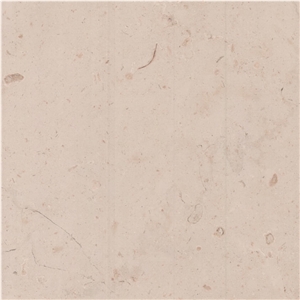
Likya Royal Limestone

Limestone

Turkey

About

Item Details

Material Type:
Limestone
Origin:
Turkey (Antalya)
Recommended Usage:
Kitchen and bathroom countertops, wash basins, building stone, ornamental stone, stairs, interior, exterior wall and floor applications, mosaic, waterjet pattern, wall panels, table tops, balustrades, columns, wall and pool copings, pool pavers, sculptures, fireplaces
Additional Names:
Likya Limestone, Likya Beige Limestone, Likya Cream Limestone, in China stone market:白沙米黄(Báishā Mǐhuáng)
Finished Surface:
Polished,Bush Hammered,Tumbled,Brushed,Honed,Split,Machine Cut,Natural Surface,Sandblasted,Acid Washing,Combed,Leathered,Water Jet,Filled,Chiseled,Pickling

Testing

Water Absorption:
1.5–3.0 % by weight
Density:
2400–2600 kg/m³
Flexural Strength:
8–12 MPa
Compressive Strength:
40–60 MPa

Description

Likya Royal Limestone is a classic, fine-grained limestone from Turkey, prized for its consistent light beige color and uniform texture. Its neutral and calming appearance makes it an excellent choice for luxury interiors, flooring, wall cladding, and architectural applications, offering a timeless and elegant aesthetic.

Appearance & Color

  • Base Color: Soft, warm light beige or “cream,” reminiscent of sand or natural linen
  • Veining & Variation: Minimal veining or color variation, providing a very even, homogeneous backdrop
  • Visual Effect: Neutral, calming, and versatile; suitable for both contemporary and classic designs

Pattern & Grain

  • Texture: Fine, uniform grain with a smooth and quiet surface
  • Pattern: Very subtle and minimalistic, lacking bold veining or contrasting patterns
  • Finish Effect: Polished surfaces can range from soft sheen to high gloss; honed or leathered finishes maintain a gentle tactile texture

Physical & Mechanical Properties (Typical Values)

  • Density: 2,400–2,600 kg/m³
  • Water Absorption: 1.5–3.0 %
  • Compressive Strength: 40–60 MPa
  • Flexural Strength: 8–12 MPa
  • Mohs Hardness: 3–4

Chemical & Mineral Composition (Approx. % by Weight)

  • Calcite (CaCO₃): 90–95 %
  • Dolomite (CaMg(CO₃)₂): 2–5 %
  • Quartz & Silicates: 1–3 %
  • Other Minerals: <2 %

Applications & Usage

  • Interior flooring and wall cladding
  • Kitchen countertops and islands (honed or leathered preferred)
  • Bathroom vanities, shower walls, and decorative panels
  • Staircases and architectural features
  • Landscaping and outdoor paving (weather-resistant applications with proper sealing) 

Surface Finish Options

  • Polished: Smooth, reflective, high-gloss or soft sheen
  • Honed: Smooth matte finish, ideal for modern interiors
  • Leathered: Textured finish with subtle tactile depth
  • Brushed: Slightly roughened finish
  • Tumbled: Antique, rustic look

Maintenance & Care

  • Low-maintenance; recommended to seal polished surfaces to protect from staining
  • Clean with pH-neutral stone cleaners
  • Avoid acidic or abrasive cleaners to prevent etching
  • Regular maintenance preserves color and surface integrity

FAQ

Can Likya Royal Limestone be used for stair steps?

Yes, Likya Royal Limestone can be used for stair steps. This type of limestone is a natural stone known for its durability and aesthetic appeal, making it a suitable choice for both interior and exterior staircases. However, when using it for stair steps, it is important to ensure that the surface is finished in a way that provides sufficient grip to prevent slipping. This might involve a honed, brushed, or textured finish. Additionally, considering the maintenance requirements and environmental conditions, such as exposure to freeze-thaw cycles or heavy foot traffic, will help ensure the longevity and safety of the stairs. Consulting with a professional installer or a stone supplier can provide more specific guidance tailored to your project needs.

Do fruit juices stain the surface of Likya Royal Limestone kitchen countertop?

Likya Royal Limestone is a type of natural stone that can be susceptible to staining due to its porous nature. Fruit juices, which are often acidic, can potentially stain the surface if they are not cleaned up quickly. The acids in fruit juices can also etch the surface, dulling its finish over time. To minimize the risk of staining or etching, its important to: 1. Clean up spills immediately with a soft, damp cloth. 2. Use coasters or mats under glasses and other containers. 3. Consider applying a penetrating sealer to the countertop, which can help protect the stone by reducing its absorbency. Regular maintenance and prompt cleaning are key to preserving the appearance of Likya Royal Limestone countertops.

What type of abrasive should be used to polish the Likya Royal Limestone surface?

Polishing Likya Royal Limestone, like other natural stones, requires using the right type of abrasives to achieve a smooth and shiny finish while avoiding damage. Generally, you would start with diamond abrasives. Here’s a typical process: 1. **Diamond Pads**: Begin with coarse-grit diamond pads (around 50-grit to 200-grit) to remove any surface imperfections or scratches. 2. **Progressive Grits**: Gradually move to finer grits (400, 800, 1500, up to 3000) to refine the surface and prepare it for polishing. 3. **Polishing Compound**: Use a specialized stone polishing compound or powder formulated for limestone. This helps to enhance the natural shine of the stone. 4. **Final Buffing**: Use a high-quality buffing pad to achieve a mirror-like finish. Always ensure that the floor is properly sealed after polishing to protect the limestone from staining and etching. It’s also important to test any products on a small area first to ensure compatibility with your specific type of limestone. Consulting with a professional or following manufacturer guidelines for the specific products and equipment you are using can provide the best results.

Is Likya Royal Limestone durable enough for use as walkway pavers?

Likya Royal Limestone is a natural stone known for its aesthetic appeal and luxurious appearance. When considering its use for walkway pavers, a few factors should be taken into account to determine its suitability and durability: 1. **Durability**: Limestone is a relatively durable material. However, its durability can vary depending on specific geological characteristics. Likya Royal Limestone might be durable enough for moderate foot traffic, but it may not be as hard as other stones like granite or certain types of sandstone. 2. **Weather Resistance**: Limestone is susceptible to weathering, especially in climates with freeze-thaw cycles. If youre in an area where this is a concern, the stone might deteriorate more quickly unless its properly sealed and maintained. 3. **Maintenance**: Limestone requires regular maintenance, including sealing to protect it from moisture penetration and staining. For walkway pavers, its important to keep in mind that the maintenance routine should be consistent to preserve the stones appearance and longevity. 4. **Surface Texture**: For walkways, a non-slip surface is crucial, especially in wet conditions. Depending on the finish of the Likya Royal Limestone, it could become slippery when wet. A textured or honed finish might be more suitable than a polished one. 5. **Aesthetic Suitability**: If youre looking for a specific aesthetic, Likya Royal Limestones color and texture could fit the design scheme of your outdoor space. Its worth considering how the stone complements the surrounding environment. Ultimately, if Likya Royal Limestone is chosen for walkway pavers, ensure its properly treated, installed, and maintained to maximize its durability and safety. Consulting with a professional stonemason or supplier can provide specific insights related to its performance in your particular environment.

Does the surface of Likya Royal Limestone scratch easily?

Likya Royal Limestone, like other types of limestone, is a relatively soft natural stone. Limestone typically rates between 3 and 4 on the Mohs scale of mineral hardness, which means it can be susceptible to scratching from harder materials. While Likya Royal Limestone can withstand regular use, it is more prone to surface scratches compared to harder stones like granite or quartzite. To help minimize scratching, its important to use protective measures such as cutting boards in the kitchen, avoid dragging heavy objects across the surface, and use coasters or placemats under objects that could potentially cause damage. Regular cleaning and proper sealing can also help maintain its appearance and prevent damage. If you have specific concerns or usage scenarios in mind, it might be helpful to consult with the supplier or a stone care expert for tailored advice.

Can 2 cm thick Likya Royal Limestone be used for pool coping?

Yes, 2 cm thick Likya Royal Limestone can be used for pool coping, but there are several factors to consider before making a final decision: 1. **Durability**: Limestone is generally a durable material; however, it can be softer and more porous compared to other stone options like granite. It’s important to ensure that the particular type of limestone you are considering is suitable for outdoor and wet conditions. 2. **Slip Resistance**: Pool coping should be slip-resistant. The surface finish of the limestone can impact its traction. Tumbled or honed finishes often provide better slip resistance than polished surfaces. 3. **Water Absorption**: Limestone is more porous than other stones, which can lead to increased water absorption. Sealing the stone can help reduce this and prevent water damage. 4. **Freeze-Thaw Cycle**: In climates where temperatures fall below freezing, water absorbed by limestone can freeze and expand, causing cracks or damage. In such cases, more resistant materials should be considered, or proper sealing and maintenance will be required. 5. **Aesthetic and Compatibility**: Ensure that the stone pairs well with the rest of your pool and landscape design. Limestone offers a timeless, natural look that can enhance the aesthetic of the pool. 6. **Maintenance**: Be prepared for regular maintenance, as limestone can be prone to staining and etching. Before proceeding, it’s advisable to consult with a professional installer or architect to ensure the material is suitable for your specific setting and to discuss any preparatory treatments or sealing that might be necessary.

Customer reviews

Customer reviews

Write a Review
Elf**** Libya

what is the price per squire meter?

Helpful (0) 0Reply

Products & Prices

Hot Limestone

New Limestone

Post Your Request

The request includes:
  1. surface finished, size
  2. quantity required