Post Your Needs

Lundhs Ocean Blue Granite

Blue - Granite

Norway

About

Item Details

Material Type:
Granite
Origin:
Norway (Krukåsen quarry, Larvik)
Primary Color(s):
Blue
Recommended Usage:
kitchen and bathroom countertops, wash basins, building stone, ornamental stone, stairs, interior, exterior wall and floor applications, mosaic, waterjet pattern, wall panels, table tops, balustrades, columns, wall and pool copings, pool pavers, fireplaces, window sills
Additional Names:
Lundhs Ocean Granite, Ocean Blue Pearl Granite, Emerald Blue Pearl Granite, Lundhs Blue Pearl Granite, Lundhs Ocean Blue Granite, in China stone market:伦思海洋蓝(Lún Sī Hǎi Yáng Lán)
Finished Surface:
Polished,Bush Hammered,Tumbled,Brushed,Honed,Split,Machine Cut,Natural Surface,Sandblasted,Acid Washing,Combed,Leathered,Water Jet,Chiseled,Pickling

Testing

Water Absorption:
ASTM C-97 0.16 %
Density:
ASTM C-97 170.1 lb/ft2
Flexural Strength:
11.6 - 12.6 MPa
Compressive Strength:
183 MPa
Stone texture:
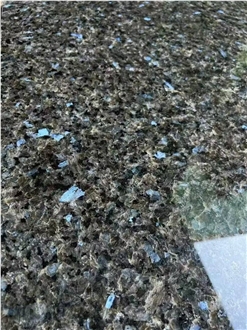
a high-end natural stone quarried in Larvik, Norway. Part of the renowned Lundhs Blue family, this granite is valued for its deep ocean-blue iridescence created by reflective labradorite crystals embedded in a dark gray to black background; The stone features a dark gray to black base with coarse-grained labradorite crystals that shimmer in shades of deep blue, teal, and subtle green. The pearlescent effect produces dynamic movement across the surface, creating a visually captivating depth. The pattern is generally uniform with minor natural variation, ensuring each slab is unique., Rock Type: Magmatic plutonic rock (Anorthosite), Geological Age: Precambrian (~1–1.5 billion years)

Description

Lundhs Ocean Blue Granite, part of the prestigious Lundhs Blue family, is a high-end natural stone renowned for its striking visual appeal and durable characteristics. Quarried in the Krukåsen quarry in Larvik, Norway, this granite stands out for its deep ocean-blue iridescence, resulting from labradorite crystals that shimmer over a dark gray to black background. This natural stone is not only a piece of geological beauty but also a testament to its ancient origins, dating back to the Precambrian era, approximately 1 to 1.5 billion years ago.

Physical and Mechanical Properties

  • Water Absorption (ASTM C-97): 0.16%
  • Density (ASTM C-97): 170.1 lb/ft²
  • Flexural Strength: 11.6 - 12.6 MPa
  • Compressive Strength: 183 MPa
  • Hardness: Generally high due to its composition, contributing to its durability.
  • Porosity: Low, contributing to its water resistance and durability.
  • Slip Resistance: Typically high, depending on the finish, making it suitable for flooring applications.

Chemical and Mineral Composition (approximate % by weight)

  • Labradorite (a type of feldspar): 60-70%
  • Other feldspar minerals: 10-20%
  • Mafic minerals (such as pyroxene and olivine): 10-20%
  • Quartz: Up to 5% (though it's called granite, it lacks significant quartz)
  • Accessory minerals: Trace amounts

Usage

  • Interior Applications: Countertops, backsplashes, wall cladding, and flooring are highly popular due to the stone's aesthetic qualities.
  • Exterior Applications: Facades, paving, and architectural features, given its resistance to weathering.
  • Decorative Usage: Fireplaces and accent walls to add elegance and character to spaces.

Maintenance

  • Requires regular cleaning with pH-neutral cleaners. Avoid using acidic or abrasive cleaners that could dull the surface.
  • For optimal longevity, periodic sealing is recommended to preserve the surface and enhance water resistance.

Cutting Sizes

  • Standard slab thickness: Usually available in thicknesses of 2 cm and 3 cm.
  • Custom cut-to-size options available upon request to accommodate specific project dimensions.

Common Surface Finish Options

  • Polished: High gloss and reflective surface that enhances the colors and patterns.
  • Honed: Smooth and matte finish, offering a subtle and sophisticated look.
  • Brushed: Textured finish that provides a more rustic appearance while still showing the stone's iridescence.
  • Flamed: Rough, non-slip surface, ideal for outdoor applications, like paving.

Lundhs Ocean Blue Granite offers a combination of aesthetic beauty and robust physical properties, making it an excellent choice for high-end architectural and decorative projects. Its unique color and texture, ensured by its coarse-grained labradorite crystals, make every piece distinctive, promoting both visual impact and timeless elegance.

Technical Properties – Standard Mean Values

Stone Name: NS-EN 12407 Monzonite (Larvikite)

Structure: Coarse-grained

Texture: Oriented feldspar crystals with lustre

  • Compressive Strength NS-EN 1926 : 183 MPa
  • Flexural Strength NS-EN 12371 : 12.6 MPa
  • Flexural Strength (after 48 frost cycles) NS-EN 12371 : 11.6 MPa
  • Frost Resistance (after 48 freeze-/thaw cycles) NS-EN 12371 : -11 %
  • Rupture Energy (Thickness 30 mm) NS-EN 14158 : 4.4 J
  • Abrasion Resistance, Wide Wheel NS-EN 14157 (a) : 16.5 mm
  • Breaking Load at Dowel Holes NS-EN 13364 : 3780 N
  • Slip Resistance (Honed Surface) NS-EN 14231 : 68 SRV (dry) / 17 SRV (wet)
  • Resistance to Ageing by Thermal Shock NS-EN 14066 : No visual changes, no weight loss

Petrographic Composition (NS-EN 12407)

  • Feldspar: 72 %
  • Pyroxene: 8 %
  • Amphibole: 6 %
  • Biotite: 3 %
  • Olivine: 2 %
  • Apatite: 3 %
  • Nepheline: 3 %
  • Opaques: 3 %

FAQ

Can Norway's Lundhs Ocean Blue Granite be used exterior applications in cold climates?

Yes, Norways Lundhs Ocean Blue Granite can be used for exterior applications in cold climates. Granite is a highly durable and weather-resistant stone, making it suitable for various outdoor applications, including countertops, paving, cladding, and landscaping features. Lundhs Ocean Blue Granite is known for its high resistance to frost and low water absorption, making it particularly suitable for use in cold climates where freezing temperatures and moisture can potentially cause damage to other materials. Additionally, the natural beauty and unique color variations of Lundhs Ocean Blue Granite can enhance the aesthetics of any exterior space.

What do professionals use to seal Lundhs Ocean Blue?

Professionals typically use a sealant specifically designed for natural stone surfaces, such as a high-quality impregnating sealer or a stone enhancer/sealer, to seal Lundhs Ocean Blue granite. It is recommended to consult with a local stone professional or supplier to determine the most suitable sealant for this particular stone.

How often should Lundhs Ocean Blue stairs be resealed?

Lundhs Ocean Blue stairs should be resealed every 1-2 years for optimal maintenance and protection. However, the frequency of resealing may vary depending on the level of wear and tear, exposure to moisture, and other environmental factors. It is always recommended to consult the manufacturer or a professional stone contractor for specific guidance based on your individual circumstances.

Will baking soda scratch Lundhs Ocean Blue countertop?

Baking soda is generally considered non-abrasive and should not scratch Lundhs Ocean Blue countertop. However, it is always advisable to conduct a small test on an inconspicuous area to make sure there are no adverse reactions before using baking soda on the entire countertop surface.

Can Lundhs Ocean Blue countertops be permanently sealed?

Lundhs Ocean Blue countertops are made from natural stone and can be sealed to enhance their durability and prevent staining. However, no sealer can provide permanent protection, as it will eventually wear off over time and require reapplication. Regular maintenance and resealing, as recommended by the manufacturer, will help prolong the lifespan and maintain the quality of the countertops.

Should I polish or seal Lundhs Ocean Blue floor?

It depends on your specific needs and preferences. Lundhs Ocean Blue is a type of natural stone with a polished finish, which provides a high-gloss and reflective surface. This finish enhances the natural beauty of the stone and provides a sleek and modern look to the floor. However, it may require more maintenance and can be prone to scratches and etching from acidic substances. If you want to preserve the polished look and want a more reflective and shiny floor, then polishing Lundhs Ocean Blue would be a suitable option. Regular polishing will help maintain the polished finish and keep it looking its best. On the other hand, if you prefer a more natural and matte look, and want to enhance the durability and resistance to staining and scratching, then sealing the floor would be recommended. Sealing the floor creates a protective layer on the surface, making it easier to clean and maintain. Additionally, a sealer can help prevent water and other liquids from penetrating the stone and causing damage. Ultimately, the choice between polishing or sealing Lundhs Ocean Blue floor depends on your personal preference for aesthetics and the level of maintenance you are willing to commit to. Consulting with a professional stone care specialist can also provide valuable advice tailored to your specific situation.

How do I clean Lundhs Ocean Blue without scratching it?

To clean Lundhs Ocean Blue without scratching it, follow these steps: 1. Start by removing any loose dirt and debris from the surface using a soft-bristled brush or a dry cloth. This helps prevent scratching during the cleaning process. 2. Fill a bucket with warm water and add a few drops of a mild, non-abrasive dish soap. Avoid using harsh chemicals or abrasive cleaners that can damage the stone. 3. Dip a soft sponge or microfiber cloth into the soapy water and wring it out to remove excess moisture. The sponge or cloth should be damp but not soaking wet. 4. Gently scrub the surface of the Lundhs Ocean Blue using the damp sponge or cloth. Use small, circular motions and apply light pressure. Avoid scrubbing too hard or using abrasive materials, as this can lead to scratches. 5. Rinse the sponge or cloth thoroughly to remove any soap residue, and then wring it out again. Wipe down the surface of the stone with the damp cloth to remove any remaining soap. 6. Use a separate, clean and dry cloth to dry the Lundhs Ocean Blue completely. This helps prevent water spots and streaks from forming. 7. If there are any stubborn stains or spills that cannot be removed with the soap and water solution, you can try using a stone cleaner specifically designed for natural stone surfaces. Follow the instructions on the cleaners packaging and test it in a small, inconspicuous area first. 8. Lastly, avoid using abrasive cleaning pads, scouring powders, or acidic cleaners like vinegar or lemon juice on Lundhs Ocean Blue, as these can cause damage to the stones surface. Regularly cleaning and wiping down the surface of Lundhs Ocean Blue with mild soap and water will help maintain its natural beauty and prevent the buildup of dirt and stains.

Can I put a hot pan on my Lundhs Ocean Blue countertop?

Lundhs Ocean Blue countertops are typically heat resistant, but it is always recommended to use caution when placing hot pans directly on any countertop surface. To be on the safe side, it is advisable to use a trivet or hot pad to protect the surface from potential heat damage. It is also a good practice to read and follow the manufacturers guidelines or consult with a professional for specific care and maintenance instructions for your particular countertop model.

Will Lundhs Ocean Blue sealer hide scratches?

Lundhs Ocean Blue sealer is specifically designed to enhance the natural color and pattern of the stone rather than hide imperfections or scratches. While it may provide some level of protection to the surface, it is not specifically formulated to hide scratches. For scratch concealment, it is recommended to consult with a professional stone restoration specialist who can assess the severity of the scratches and suggest appropriate solutions.

How do I fix scratches on Lundhs Ocean Blue surfaces?

To fix scratches on Lundhs Ocean Blue surfaces, you can follow these steps: 1. Clean the surface: Start by cleaning the scratched area with a mild soap and warm water solution. Rinse it thoroughly and dry it completely. 2. Assess the severity: Examine the scratches to determine their depth. If they are minor surface scratches, you may be able to fix them yourself. However, deep gouges or multiple scratches in one area might require professional help. 3. Sand the scratch: For minor scratches, use a fine-grit sandpaper (around 400-600 grit) to sand down the scratch gently. Keep the sanding area limited to the scratch itself. Be sure to sand in the same direction as the surface pattern to maintain consistency. 4. Polish the surface: After sanding, use a polishing compound specifically designed for natural stone surfaces. Apply it to the scratched area and use a clean, soft cloth to buff the surface in circular motions. Repeat this process until the scratch becomes less visible. 5. Clean and check: Once the polishing is complete, clean off any residue or polish from the surface with a damp cloth. Check the repaired area under different lighting conditions to ensure the scratch is sufficiently concealed. 6. Apply sealant: To protect the surface and prevent further damage, apply a stone sealant as per the manufacturers instructions. This step will enhance the scratch resistance and overall durability of the Lundhs Ocean Blue surface. Remember, if the scratches are extensive or beyond your expertise, it is recommended to seek professional help or contact Lundhs directly for their advice on repairing the specific type of surface.

Products & Prices

View More

Hot Blue Granite

New Granite

Post Your Request

The request includes:
  1. surface finished, size
  2. quantity required