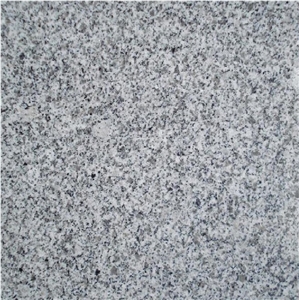
Luz de Compostela Granite

About
Item Details
- Material Type:
- Granite
- Origin:
Spain (Galicia, northwestern Spain) - Primary Color(s):
- Grey
- Recommended Usage:
- Kitchen and bathroom countertops, monuments, building stone, ornamental stone, stairs, interior, exterior wall and floor applications, mosaic, waterjet pattern, wall panels, table tops, window sills, balustrades, columns, wall and pool copings, pool pavers, sculptures, fireplaces, pavers, cobbles, curbstone
- Additional Names:
- Granito Luz de Compostela, Luz de Compostela Grey Granite, Luz de Compostela, Luz de Compostela Granite
- Finished Surface:
- Polished,Flamed,Bush Hammered,Tumbled,Brushed,Honed,Split,Machine Cut,Natural Surface,Sandblasted,Acid Washing,Combed,Leathered,Water Jet,Filled,Chiseled,Pickling
Testing
- Density:
- 2650 - 2720 kg/m³
- Flexural Strength:
- 12 - 15 MPa
- Compressive Strength:
- 160 - 180 MPa
- Stone texture:
- a striking natural granite distinguished by a rich blend of warm beige, light brown, and golden tones interspersed with darker brown, grey, and occasional black mineral specks, creating a vibrant, dynamic, and slightly mottled surface appearance. The stone exhibits a warm and inviting aesthetic with natural tonal variations and speckling that provide depth and character, making it ideal for both contemporary and traditional architectural applications. In terms of texture and structure, Luz De Compostela Granite is a dense, compact igneous rock composed primarily of quartz, feldspar, and dark mica minerals, forming a medium- to coarse-grained crystalline matrix. This granular structure ensures high durability, low porosity, and excellent resistance to abrasion and weathering. When polished, the stone reveals a glossy reflective surface that enhances its warm tones and mineral contrast, while finishes such as honed, flamed, sandblasted, or bush-hammered emphasize its natural granular texture and robust structural properties, making it suitable for flooring, countertops, wall cladding, exterior paving, and decorative architectural features.
Description
Luz de Compostela Granite is a visually striking natural stone characterized by a warm blend of beige, light brown, and golden tones, accented with darker brown, grey, and black specks. Its slightly mottled surface appearance adds vibrancy and dynamism, making it perfect for a variety of architectural styles, from contemporary to traditional.
Texture and Structure:
- Type: Dense, compact igneous rock
- Grain Size: Medium- to coarse-grained crystalline matrix
- Primary Minerals: Quartz, feldspar, and dark mica
- Durability: High
- Porosity: Low
- Resistance: Excellent abrasion and weathering resistance
Physical and Mechanical Properties:
- Water Absorption: Low
- Density: Approximately 2.65 to 2.72 g/cm³
- Flexural Strength: Roughly 12 to 15 MPa
- Compressive Strength: Approx. 160 to 180 MPa
- Hardness: High, typically rated around 6-7 on the Mohs scale
- Porosity: Very low
- Slip Resistance: Good, particularly in non-polished finishes
Chemical and Mineral Compositions (approximate % by weight):
- Quartz: 30-40%
- Feldspar: 50-60%
- Mica (Biotite and/or Muscovite): 5-10%
- Other Minerals: Small amounts contributing to color variations
Usage:
Common Applications:
- Flooring
- Countertops
- Wall Cladding
- Exterior Paving
- Decorative Architectural Features
Maintenance:
Routine Care:
- Clean with mild detergent and water
- Avoid acidic cleaners to prevent dulling
Sealing: Recommended to enhance stain resistance and longevity
Available Common Surface Finishes:
- Polished: Enhances warm tones and mineral contrast with a glossy finish
- Honed: Smooth surface with matte appearance
- Flamed: Rough texture that enhances slip resistance
- Sandblasted: Uniformly textured, subtle appearance
- Bush-hammered: Even more rugged texture for exterior and non-slip applications
Luz de Compostela Granite, with its perfect blend of durability and aesthetic appeal, is an excellent choice for various architectural needs. It provides an inviting warmth through its natural colors while offering robust performance for both interior and exterior applications.
FAQ
Yes, Spains Luz de Compostela Granite can be used for exterior applications in very humid climates. Granite is known for its durability and resistance to moisture, which makes it suitable for outdoor use. However, it is important to install and seal the granite properly to ensure its long-term performance in a humid climate. This includes using a high-quality sealant, regular maintenance, and proper drainage to prevent any potential issues such as water absorption or discoloration.
Can Spain's Luz de Compostela Granite be used in a office?
Yes, Spains Luz de Compostela Granite can be used in an office. Granite is a popular choice for office spaces due to its durability and aesthetic appeal. Luz de Compostela Granite, in particular, has a light gray color with speckles that can add a touch of elegance and sophistication to the office environment. It can be used as a flooring material, for countertops, or as decorative elements such as wall panels or reception desks. However, it is important to consider factors such as maintenance requirements, the overall design aesthetic, and the intended use of the space before finalizing the decision to use Luz de Compostela Granite in an office.
Can Spain's Luz de Compostela Granite be used in landscaping?
Yes, Spains Luz de Compostela Granite can be used in landscaping. It is a durable and versatile stone that can be used for various landscaping purposes such as paving, walkways, retaining walls, outdoor kitchen countertops, and decorative features. Its natural beauty and unique color patterns make it a popular choice for both residential and commercial landscaping projects.
What is the coefficient of friction of Pickled Spain's Luz de Compostela Granite tiles?
The coefficient of friction of Pickled Spains Luz de Compostela Granite tiles can vary depending on the specific finish applied to the tiles. The coefficient of friction is a measure of how slippery or grippy a surface is, and it is typically expressed as a decimal value ranging from 0 to 1.
To determine the coefficient of friction for a specific finish of the Luz de Compostela Granite tiles, it is best to refer to the manufacturers specifications or contact the manufacturer directly. This will ensure accurate and up-to-date information regarding the coefficient of friction for the specific tiles you are interested in.
Can Spain's Luz de Compostela Granite be used outdoors?
Yes, Luz de Compostela Granite can be used outdoors. It is a durable and weather-resistant stone that can withstand outdoor elements such as rain, sunlight, and temperature changes. It is commonly used for outdoor applications such as paving, exterior walls, stairs, and landscaping features.
What grade is Spain's Luz de Compostela Granite?
Spains Luz de Compostela Granite is generally considered to be a commercial grade granite.
How thick is Spain's Luz de Compostela Granite slabs?
The thickness of Spains Luz de Compostela Granite slabs can vary depending on the specific supplier or manufacturer. However, typical thickness options for granite slabs range from 2 centimeters (0.79 inches) to 3 centimeters (1.18 inches).
Are there color variations of Spain's Luz de Compostela Granite?
Yes, there can be color variations in Spains Luz de Compostela Granite. The granite typically has a creamy white background with veins and flecks of various colors, including gray, brown, and black. However, due to natural variations in the stone, the specific colors and patterns can vary from slab to slab.
Is Spain's Luz de Compostela Granite an expensive stone?
I dont have access to current market prices and trends. However, Luz de Compostela Granite is generally considered to be a valuable and high-quality stone, which means it may be pricier than other types of granite. Factors that could affect the price of this granite include the size, thickness, finish, and origin of the stone. Its best to consult with a professional stone supplier or installer for more specific pricing information.