Post Your Needs

Mandela Sandstone

Black - Sandstone

China

About

Item Details

Material Type:
Sandstone
Origin:
China
Primary Color(s):
Black
Recommended Usage:
Wall and floor applications, mosaic, fountains, pool and wall capping, stairs, window sills
Additional Names:
Mandela Stone, China Black Sandstone, Purple Wood Grain Sandstone, River Black Sandstone, Wooden Grey Sandstone, Purple Wooden Sandstone, Grey Wooden Sandstone, Grey Wenge Sandstone, in China stone market:曼德拉木纹(Màn dé lā mù wén), Mandela Sandstone
Finished Surface:
Honed, Aged, Polished, Sawn Cut, Sanded, Rockfaced, Sandblasted, Bushhammered, Tumbled

Description

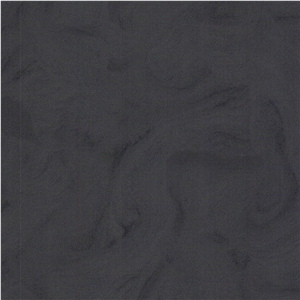
Mandela Sandstone is a kind of deep purple-black wooden vein sandstone quarried in China. This stone is especially good for Wall and floor applications, mosaic, fountains, pool and wall capping, stairs, window sills and other design projects. It also called Mandela Stone,China Black Sandstone,Purple Wood Grain Sandstone,River Black Sandstone,Wooden Grey Sandstone,Purple Wooden Sandstone,Grey Wooden Sandstone,Grey Wenge Sandstone,in China stone market:曼德拉木纹(Màn dé lā mù wén) . Mandela Sandstone can be processed into Honed, Aged, Polished, Sawn Cut, Sanded, Rockfaced, Sandblasted, Bushhammered, Tumbled and so on.

FAQ

How can I repair the scratched surface of the Mandela Sandstone steps?

Repairing scratched Mandela Sandstone steps involves a few careful steps to restore their appearance: 1. **Cleaning the Surface:** - Begin by thoroughly cleaning the steps to remove dirt and debris. Use a mild detergent mixed with water and a soft brush or sponge. Rinse with clean water and allow the surface to dry completely. 2. **Assess the Damage:** - Examine the scratches to determine their depth. Light scratches may be repairable through polishing, while deeper ones might need filling. 3. **Polishing Light Scratches:** - For shallow scratches, start by using a fine-grit sandpaper (such as 400-600 grit) to gently buff the area in a circular motion. Keep the area wet while sanding to prevent dust and facilitate a smoother finish. - Gradually move to finer grit sandpapers for a smoother finish (up to 1000-1500 grit). - Once the scratching is reduced, clean the area again and dry it thoroughly. - Apply a stone sealer as per the manufacturers instructions to protect the surface and bring back its shine. 4. **Filling Deep Scratches:** - For deeper scratches, you might need a stone repair kit or epoxy resin. Choose a filler that matches the color of your sandstone. - Mix the filler according to the instructions and apply it to the scratches using a putty knife or a similar tool. Smooth out the surface and remove any excess material. - Allow the filler to cure as per the product’s instructions. 5. **Final Sanding and Polishing:** - Once the filler is set, use sandpaper to smooth the repair area so it matches the surrounding stone. - Finally, polish the area using a stone polish or a buffing pad designed for natural stone, ensuring an even finish. 6. **Sealing the Stone:** - After repairs, sealing the sandstone is crucial to protect the surface from water and staining. Use a high-quality stone sealer and apply it evenly across the entire step, not just the repaired area. Allow it to dry as instructed by the manufacturer. 7. **Regular Maintenance:** - To prevent future scratches and damage, regularly clean the steps, avoid using harsh chemicals, and reseal the stone periodically according to the sealer’s recommendations. If the damage is extensive or youre not confident in performing the repairs yourself, consider hiring a professional stone restoration specialist to ensure the best results.

Is Mandela Sandstone a suitable choice for gravestones?

Mandela Sandstone can be a suitable choice for gravestones, depending on the specific characteristics of the material and the environmental conditions where the gravestone will be placed. Here are some key factors to consider: 1. **Durability**: Sandstone is generally a durable material, but its suitability for gravestones depends on its specific composition and density. High-density sandstone with low porosity will better withstand weathering and erosion over time. 2. **Aesthetics**: Mandela Sandstone is known for its unique color variations and patterns, which can create visually appealing gravestones. Consider the desired look and whether the characteristics of this sandstone align with it. 3. **Weather Resistance**: The location of the gravestone is important. Sandstone can be more susceptible to weathering in harsh climates with frequent freeze-thaw cycles, high rainfall, or acidic conditions. It is important to choose a variety of sandstone that has good resistance to these factors. 4. **Maintenance**: Sandstone gravestones may require regular maintenance, including cleaning and sealing, to preserve their appearance and structural integrity. Assess whether this level of maintenance is acceptable. 5. **Cultural and Historical Relevance**: If Mandela Sandstone has cultural or historical significance, this might add value or relevance to the choice. To ensure you select the best material, its a good idea to consult with a local stonemason or supplier familiar with Mandela Sandstones properties and performance in gravestone applications.

Is Mandela Sandstone durable enough for use as outdoor terrace pavers?

Mandela Sandstone is a natural stone that can be used for various construction purposes, including outdoor applications like terrace pavers. The durability of sandstone for such uses depends on several factors: 1. **Density and Porosity**: Sandstone in general can be porous, which might make it susceptible to water absorption and weathering. However, denser variants with lower porosity can be more durable. 2. **Weather Resistance**: For outdoor use, especially in freeze-thaw climates, its important that the sandstone can withstand temperature fluctuations without cracking or spalling. Some sandstones are more resistant to weathering and are suitable for such applications. 3. **Wear Resistance**: Sandstone used for pavers should be able to withstand foot traffic without significant wear. 4. **Finish and Surface Treatment**: The treatment and finishing of the stone can impact its performance. Proper sealing can enhance its resistance to moisture and staining. 5. **Location and Climate Considerations**: Climate plays a big role. In areas with heavy rainfall or freezing temperatures, a more durable stone might be needed. In most cases, Mandela Sandstone should be durable enough for outdoor terrace pavers if it meets the necessary density and resistance criteria. It is important to consult with a supplier or a professional familiar with local conditions and sandstone variations to ensure that it is a suitable choice for your specific project.

Is Mandela Sandstone heat resistant? Is it suitable for use in fireplaces?

Mandela Sandstone, like many types of sandstone, generally has good heat resistance, which often makes it suitable for use in fireplaces and similar applications. Sandstone is a sedimentary rock composed primarily of sand-sized mineral particles or rock fragments. Its durability and resistance to high temperatures can vary based on its specific composition and the presence of binding materials. For use in fireplaces, it’s essential to ensure that the sandstone is dense and well-bonded enough to withstand the thermal stress and potential thermal shock created by changing temperatures. It is also important to verify that the sandstone does not easily spall, which can occur if moisture trapped within the stone expands upon heating. Before choosing Mandela Sandstone, or any sandstone, for use in a fireplace, it’s a good idea to consult with a professional stonemason or supplier who can confirm its thermal properties and suitability for your specific project. They may also offer specific treatments or installation techniques to enhance the stones performance in high-temperature environments.

Can Mandela Sandstone be used for kitchen islands?

Mandela Sandstone, like many types of natural stone, can potentially be used for kitchen islands. However, there are several factors you should consider before deciding if its the right choice for your kitchen: 1. **Durability**: Sandstone is generally softer and more porous than other stones like granite or quartz, making it more susceptible to scratches, stains, and moisture damage. Regular sealing is necessary to help protect it. 2. **Maintenance**: Sandstone requires more maintenance than harder stones. It needs to be sealed regularly to prevent stains and damage from spills, especially in a high-use area like a kitchen. 3. **Aesthetic**: Sandstone offers a unique, natural look with earthy tones and intricate patterns. It can add a warm and rustic charm to your kitchen design. 4. **Cost**: Consider the cost of the material itself, as well as installation and potential ongoing maintenance costs. 5. **Practicality**: Evaluate how you use your kitchen. If you do a lot of cooking or entertaining, you may want a more durable surface that requires less maintenance. 6. **Environment**: Consider your local climate and indoor conditions, as sandstone can be affected by humidity and temperature changes. Before making a decision, it is advisable to consult with a professional to assess your specific needs and kitchen environment. They can provide guidance on the suitability of Mandela Sandstone and suggest alternatives if necessary.

Can Mandela Sandstone be used in freeze-thaw climates?

Mandela Sandstone, like many natural stones, can potentially be used in freeze-thaw climates, but its suitability depends on several factors including its porosity, density, and specific characteristics. Freeze-thaw cycles can cause damage to stone materials by allowing water to infiltrate the stone, freeze, expand, and eventually lead to cracking or spalling. To determine if Mandela Sandstone is appropriate for use in freeze-thaw climates, you should consider the following: 1. **Porosity and Absorption Rate**: Lower porosity stones with lower water absorption rates are generally more resistant to freeze-thaw damage. Check the specific porosity and absorption rate of the Mandela Sandstone. 2. **Density and Compressive Strength**: Denser stones with higher compressive strength tend to withstand freeze-thaw cycles better. 3. **Installation Techniques**: Proper installation, including sealing and using appropriate drainage methods, can improve the performance of sandstone in such climates. 4. **Manufacturer or Supplier Recommendations**: Consult with the supplier or manufacturer regarding the stone’s suitability for freeze-thaw environments and any specific treatments or recommendations they may have. If you are considering using Mandela Sandstone in such climates, it is advisable to conduct thorough testing or consult with a stone expert or engineer experienced in assessing stone for freeze-thaw conditions.

Can China's Mandela Sandstone be used in a bathroom?

Yes, Chinas Mandela Sandstone can be used in a bathroom. Mandela Sandstone is a type of natural stone that is known for its durability and beauty. It can be used for various applications in a bathroom, such as floor tiles, wall cladding, countertops, and even shower walls. Its natural texture and earthy colors can add a sophisticated and luxurious touch to the bathroom décor. However, it is important to properly seal the sandstone to protect it from moisture and staining, as bathrooms are exposed to high levels of humidity and water.

Can China's Mandela Sandstone be used exterior applications in hot climates?

Chinas Mandela Sandstone is generally considered suitable for exterior applications in hot climates. It is a type of sandstone known for its durability, weather resistance, and heat resistance. Sandstone, in general, is a popular choice for external applications due to its ability to withstand harsh weather conditions. However, it is important to note that the suitability of any specific stone for a particular climate depends on various factors, including its porosity, color, and finish. Some sandstone varieties may be more suitable for hot climates than others. It is always recommended to consult with a local stone supplier or an expert to ensure that Chinas Mandela Sandstone is suitable for the specific application and climate conditions. Additionally, proper sealing and maintenance of the stone are necessary to ensure its longevity and performance in hot climates.

What grade is China's Mandela Sandstone?

Chinas Mandela Sandstone does not have a specific grade as it is not a standardized classification used in the stone industry. The quality of sandstone can vary depending on factors such as color, texture, and durability. It is common for suppliers or manufacturers to provide their own grading system based on these characteristics. Therefore, the grade of Chinas Mandela Sandstone would be determined by the specific supplier or manufacturer.

Products & Prices

Hot Black Sandstone

New Sandstone

Post Your Request

The request includes:
  1. surface finished, size
  2. quantity required