


 Turkey
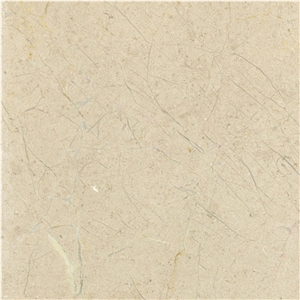
Can Turkey's Medusa Marble be used exterior applications in very rainy climates?
Turkeys Medusa Marble is typically very durable and can be used in exterior applications, including in very rainy climates. However, it is important to consider several factors when using any type of marble in such conditions:
1. Porosity: Marble is a naturally porous material, which means it can absorb water if not properly sealed. Ensure that the Medusa Marble is sealed with a high-quality water repellent sealer to protect it from moisture penetration.
2. Maintenance: Regular maintenance and cleaning are necessary to prevent the buildup of dirt, algae, or mold on the marble surface. This is especially important in rainy climates, where the marble may be exposed to more moisture.
3. Slip resistance: Marble can be slippery when wet, which may increase the risk of accidents. Consider using textured or honed finishes that offer better traction to reduce the slipperiness.
4. Freeze-thaw cycles: If the region experiences freezing temperatures, it is crucial to consider the effects of freeze-thaw cycles on the marble. Water trapped inside the stone can freeze, expand, and cause damage. Proper installation techniques and ensuring good drainage will help minimize the risk of freeze-thaw damage.
Consulting with a professional installer or architect experienced in working with marble in exterior applications is recommended to ensure proper installation and ongoing maintenance. They can provide guidance specific to the local climate and conditions to ensure the longevity and performance of Medusa Marble in rainy climates.

 14YR

 India

 China


 Brazil


 Portugal


 Italy

 Spain


 Oman

 Egypt


