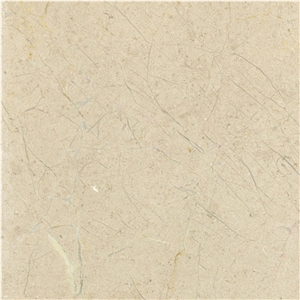
Turkish Melitta Rose Marble is a type of marble that is known for its vibrant pink and rose-colored veins. It is commonly used in various interior applications such as countertops, flooring, and wall cladding due to its visual appeal. However, when it comes to exterior applications in very humid climates, there are certain considerations to keep in mind.
Marble is a natural stone that is formed through the process of metamorphism, and it is inherently porous. This means that it has tiny pores and can absorb moisture to some extent. In very humid climates, where the air is filled with moisture, exterior applications of marble can be a challenge.
Excessive moisture and humidity can cause marble to absorb water, leading to structural damage, discoloration, efflorescence, staining, and mold or mildew growth. Over time, these issues can degrade the appearance and durability of the marble.
To mitigate these risks, it is important to take preventive measures and employ proper installation techniques. This can include using a high-quality, moisture-resistant adhesive and sealant specifically designed for exterior use, applying a proper waterproofing and sealing system, and ensuring proper drainage to prevent water accumulation near the marble surface.
Additionally, regular maintenance and cleaning are crucial to maintaining the marbles appearance and preventing any moisture-related issues. This may involve periodic resealing to enhance the marbles resistance to humidity and moisture penetration.
While Turkish Melitta Rose Marble can be used in exterior applications in very humid climates, it is important to work with experienced professionals who understand the challenges associated with marble in such environments. As always, it is recommended to consult with a local stone supplier or a professional installer prior to making any decisions regarding the specific usage of marble in your particular climate.


 Turkey


 Spain


 Italy

 Oman

 Egypt


 India


 Greece
