Post Your Needs

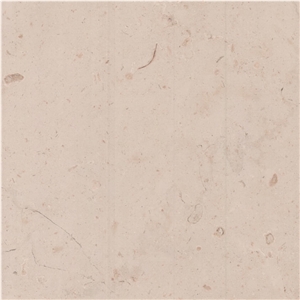
Moca Rosal Limestone

Beige - Limestone

Portugal

About

Item Details

Material Type:
Limestone
Origin:
Portugal (Codacal, Porto de Mos, Leiria)
Primary Color(s):
Beige
Recommended Usage:
building stone, countertops, sinks, monuments, pool coping, sills, ornamental stone, interior, exterior, wall, floor, paving
Additional Names:
Cabeça Veada Limestone, Dunas Limestone, Semi-Rijo Limestone, Porto Beige Limestone, Rosal CV Limestone, Rosal Limestone, Moca Rosal Limestone
Finished Surface:
Polished,Flamed,Bush Hammered,Tumbled,Brushed,Honed,Split,Machine Cut,Natural Surface,Sandblasted,Acid Washing,Combed,Leathered,Water Jet,Filled,Chiseled,Pickling

Testing

Water Absorption:
2.3 %
Density:
2520 kg/m3
Flexural Strength:
126 kg/cm2
Compressive Strength:
930 kg/cm2

Description

Moca Rosal Limestone is a fine-grain light beige limestone quarried in Portugal, celebrated for its uniform appearance and soft, natural beauty. Characterized by its warm beige tones and subtle horizontal vein patterns, this limestone offers a refined and elegant aesthetic suitable for a variety of applications. The gentle veining, combined with its smooth texture, adds depth and character to any space without overpowering the design. Moca Rosal Limestone is ideal for interior and exterior projects, including flooring, wall cladding, facades, staircases, and decorative elements. Its versatility, durability, and timeless appeal make it a popular choice for both residential and commercial architectural designs, seamlessly complementing classic and contemporary styles.

FAQ

What is the difference between tumbled and brushed Moca Rosal Limestone?

The main difference between tumbled and brushed Moca Rosal Limestone lies in their finishes. Tumbled Moca Rosal Limestone has a weathered, worn look with soft, rounded edges and a slightly textured surface. It gives a more rustic and aged appearance to the stone. Brushed Moca Rosal Limestone, on the other hand, has a smoother and more polished surface. The brushing process removes the outer layer of the stone, revealing the natural texture and color variations of the limestone. It gives a more contemporary and sleek look to the stone. Ultimately, the choice between tumbled and brushed Moca Rosal Limestone comes down to personal preference and the desired aesthetic for the space.

Does tumbled Moca Rosal Limestone tile easy stain?

Tumbled Moca Rosal Limestone tile is a natural stone material, so it is more porous and prone to staining compared to other types of tile. The tumbled finish can also make the surface slightly more textured, which can make it easier for dirt and stains to become trapped in the crevices. To prevent staining, it is recommended to seal the tile with a penetrating sealer and to clean up spills promptly.

Is tumbled Moca Rosal Limestone floor slippery?

It is important to note that all natural stone surfaces can be slippery when wet, including tumbled Moca Rosal Limestone. The tumbled finish can help to provide some traction, but it is always recommended to use caution and take steps to prevent slipping, especially in wet conditions. If you are concerned about the potential slipperiness of the tumbled Moca Rosal Limestone floor, you may want to consider using non-slip rugs or mats in areas where water may be present, such as bathrooms or kitchen areas. Additionally, using a sealant specifically designed for natural stone surfaces can help improve traction and reduce the risk of slipping.

Can Moca Rosal Limestone be tumbled?

Yes, Moca Rosal Limestone can be tumbled to give it a more rustic and weathered appearance. Tumbling is a process where the stone is placed in a machine with abrasive materials and rotated to soften the edges and create a worn look. Tumbled Moca Rosal Limestone can be used for various applications such as flooring, wall cladding, and outdoor paving.

How can I get scratches out of Moca Rosal Limestone countertop?

To remove scratches from a Moca Rosal Limestone countertop, you can try the following steps: 1. Start by cleaning the countertop using a mild soap and water solution to remove any debris or dirt from the surface. 2. Mix a small amount of limestone polishing compound with water to create a paste. 3. Apply the paste to the scratched area on the countertop and gently rub it in using a soft cloth or sponge in a circular motion. 4. Allow the paste to sit on the scratches for a few minutes to help buff out the imperfections. 5. Rinse the countertop with clean water and dry it thoroughly. 6. If the scratches are still visible, you may need to repeat the process or consider hiring a professional stone restoration company to repair the damage. It is important to note that limestone is a soft and porous stone, so it is important to handle it with care and avoid using harsh chemicals or abrasive materials that could further damage the surface.

Does Moca Rosal Limestone scratch easily?

Moca Rosal Limestone is a durable and hard material, so it is not likely to scratch easily. However, like all natural stones, it can be susceptible to scratching if it comes into contact with abrasive materials or sharp objects. It is always recommended to use coasters or protective pads under heavy objects to prevent scratching and maintain the beauty of the stone. Regular cleaning and maintenance can also help to prevent scratches and keep the stone looking its best.

How to get wine stain out of Moca Rosal Limestone countertop?

To remove a wine stain from a Moca Rosal Limestone countertop, you can follow these steps: 1. Blot the stain with a clean cloth or paper towel to remove as much of the wine as possible. 2. Create a paste using baking soda and water. Apply the paste to the stained area and let it sit for about 15-20 minutes. The baking soda will help absorb the stain. 3. Use a soft-bristled brush or a sponge to gently scrub the stained area in a circular motion. 4. Rinse the area with warm water and dry it thoroughly with a clean cloth. 5. If the stain persists, you can try using a mixture of hydrogen peroxide and water. Mix equal parts of hydrogen peroxide and water and apply it to the stained area. Let it sit for a few minutes before rinsing it off with warm water. 6. Repeat the process if necessary until the stain is completely removed. 7. Once the stain is removed, you can seal the countertop with a limestone sealer to protect it from future stains.

Is Moca Rosal Limestone good for kitchen countertops?

Moca Rosal Limestone is generally considered a suitable material for kitchen countertops due to its durability, heat resistance, and natural beauty. However, it is important to note that limestone is a softer and more porous stone compared to granite or quartz, so it may require more maintenance and care to keep it looking its best. It is also susceptible to etching and staining from acidic substances, so it is important to use cutting boards and avoid prolonged exposure to acidic liquids. Ultimately, whether Moca Rosal Limestone is a good choice for your kitchen countertops will depend on your personal preferences and lifestyle.

Products & Prices

Hot Beige Limestone

New Limestone

Post Your Request

The request includes:
  1. surface finished, size
  2. quantity required