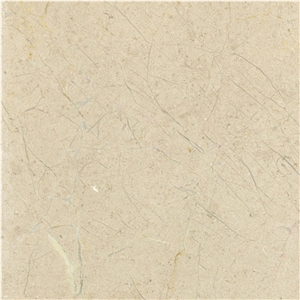
Moon Marble

About
Item Details
- Material Type:
- Marble
- Origin:
Iran (Shiraz, Fars Province) - Primary Color(s):
- Beige
- Recommended Usage:
- Building stone, sinks, monuments, pool coping, sills, ornamental stone, interior, exterior, wall, floor , paving
- Additional Names:
- Moon Beige Marble, Moon Marble
- Finished Surface:
- Honed, Aged, Polished, Sawn Cut, Sanded, Rockfaced, Sandblasted, Bushhammered, Tumbled
Description
Moon Marble is a kind of beige marble quarried in Iran. This stone is especially good for Building stone, sinks, monuments, pool coping, sills, ornamental stone, interior, exterior, wall, floor , paving and other design projects. It also called Moon Beige Marble . Moon Marble can be processed into Honed, Aged, Polished, Sawn Cut, Sanded, Rockfaced, Sandblasted, Bushhammered, Tumbled and so on.
FAQ
Irans Moon Marble is a beautiful and unique type of marble known for its stunning lunar-like patterns. While it can be used for various purposes such as countertops, flooring, and wall cladding, whether it is suitable for a dining room depends on personal preference and the overall design aesthetic of the space.
If you are looking to create a sophisticated and luxurious dining room, Irans Moon Marble can be an excellent choice. Its elegant and artistic patterns can add a touch of glamour and uniqueness to the room. However, keep in mind that marble requires regular maintenance and can be susceptible to stains and scratches.
Additionally, consider the practicality of using marble in a dining room. Marble is a porous material, making it vulnerable to spills and stains from food or beverages. It is recommended to use coasters, placemats, and tablecloths to protect the marble surface. Regular sealing and cleaning are also essential to maintain its appearance.
Ultimately, the decision to use Irans Moon Marble in a dining room depends on your personal style, maintenance commitment, and how well it can complement the overall design and functionality of the space.
Can Iran's Moon Marble be used exterior applications in very humid climates?
It is difficult to provide a definitive answer without specific information about the composition and properties of Irans Moon Marble. However, in general, marbles are porous materials and can be susceptible to damage in very humid climates, particularly if they are not properly sealed or treated.
The high moisture content in humid climates can lead to various problems with marble, such as water absorption, discoloration, staining, or even degradation over time. Additionally, the presence of humidity can also promote the growth of mold and mildew on the marble surface, further compromising its appearance and structural integrity.
To ensure the suitability of Irans Moon Marble for exterior applications in very humid climates, it is recommended to consult the manufacturer or supplier for specific information about its moisture resistance, sealing requirements, and long-term performance in such conditions. Additionally, proper installation techniques, regular maintenance, and the use of appropriate sealants can also help protect the marble from potential damage caused by humidity.
What grade is Iran's Moon Marble?
There is no available information regarding the specific grade of Irans Moon Marble.
Can Iran's Moon Marble be used in landscaping?
The Iran Moon Marble, also known as marble onyx, is a unique and beautiful natural stone found in Iran. Its distinctive veining and coloration make it a popular choice for various applications, including interior design and decor. However, whether it can be used in landscaping depends on the specific requirements of the project.
The Iran Moon Marble is primarily used for indoor applications such as flooring, countertops, wall cladding, and decorative items. Its translucent quality can create visually stunning effects when backlit or illuminated. Due to its delicate nature, it is not commonly used in external applications where it may be exposed to weathering and frequent use.
In landscaping, durability, resistance to weathering, and maintenance requirements are crucial factors. While the Iran Moon Marble can add a luxurious touch to outdoor spaces, it may not be the most practical choice for high-traffic areas or areas exposed to harsh weather conditions.
However, if the landscaping project involves decorative elements, accent pieces, or low-traffic areas, the Iran Moon Marble can be incorporated to enhance the aesthetics of the space. It could be used as decorative pathways, stepping stones, border accents, or as part of intricate mosaic designs.
Ultimately, the suitability of Iran Moon Marble in landscaping depends on the specific needs and conditions of the project, as well as the personal preference for its unique appearance. It is always advisable to consult with a professional landscaper or designer to determine the best materials for your specific landscaping needs.
What is the coefficient of friction of Combed Iran's Moon Marble tiles?
The coefficient of friction for specific tiles can vary based on factors such as the material used, the finish applied, and the manufacturing process. Without specific information about the specific tiles in question, it is not possible to provide an accurate coefficient of friction for Combed Irans Moon Marble tiles. It is recommended to consult the manufacturer or supplier for the coefficient of friction of a particular tile.
How thick is Iran's Moon Marble slabs?
There is no specific information available on the exact thickness of Irans Moon Marble slabs. The thickness of marble slabs can vary depending on the specific type of marble, the quarry from which it is sourced, and the intended use of the slabs. Marble slabs are typically available in various thicknesses ranging from 2 centimeters (0.79 inches) to 3 centimeters (1.18 inches) or more.
Are there color variations of Iran's Moon Marble?
I do not have the ability to verify the existence of a specific type of marble. However, based on my research, the traditional Iranian Moon Marble (also known as Chandar marble) is usually blue and white, but there may be variations in color due to different techniques used in the production process. Some marbles are also dyed different colors, but they wouldnt be considered traditional Moon Marbles.
Is Iran's Moon Marble an expensive stone?
I do not have access to current market prices of Irans Moon Marble. However, it is a unique and rare stone, and its price may vary depending on the quality, size, and demand. It is generally considered a valuable and prized stone.


10YR