Post Your Needs

New Caledonia Granite

Brown - Granite

Brazil

About

Item Details

Material Type:
Granite
Origin:
Brazil (Venda Nova, Minas Gerais)
Primary Color(s):
Brown
Recommended Usage:
Countertops, mosaic, exterior - interior wall and floor applications, fountains, pool and wall capping
Additional Names:
Café Brown Marron, Brazil Caledonia Granite, Ocre Granite Granite, New Caledonia Brown Granite, Crystal Brown Granite, Cafe Royal Granite, Cafe Brown Granite, Gadoli Granite, Ocre Itabira Granite, in China stone market:啡水晶(Fēi shuǐjīng), 加多利(Jiā duōlì), New Caledonia Granite
Finished Surface:
Polished,Flamed,Bush Hammered,Tumbled,Brushed,Honed,Split,Machine Cut,Natural Surface,Sandblasted,Acid Washing,Combed,Leathered,Water Jet,Filled,Chiseled,Pickling

Testing

Water Absorption:
0.26 %
Density:
2708 kg/m3
Flexural Strength:
87 kg/cm2
Compressive Strength:
1285 kg/cm2

Description

New Caledonia Granite, also known as Café Imperial Granite- Cafe Brown Granite or Café Brown Marron, is a popular granite variety that is quarried in Brazil. It is highly regarded for its rich, warm tones and distinctive beauty. Here's a description of New Caledonia Granite:

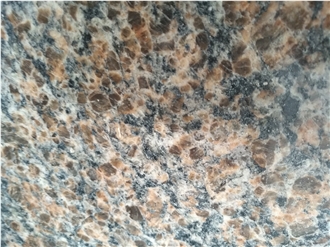
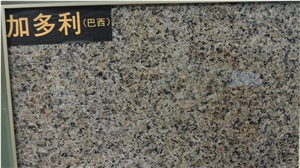
Color and Appearance:New Caledonia Granite is characterized by its deep brown background color, often described as coffee or espresso brown. The stone exhibits a combination of lighter brown and beige flecks and speckles throughout, creating a dynamic and visually appealing pattern. The interplay of these colors gives the granite a luxurious and elegant appearance.

Texture and Pattern:The texture of New Caledonia Granite is typically medium to coarse-grained, with visible crystals of various minerals, including quartz, feldspar, and mica. The stone's surface may have a slight reflective quality, enhancing its overall attractiveness. The pattern can range from consistent and uniform to more varied and veined, depending on the specific slab.

Durability and Strength:As with most granites, New Caledonia Granite is highly durable and resistant to scratches, heat, and impacts. It is a natural stone that can withstand daily use and is suitable for both indoor and outdoor applications. Proper sealing helps maintain its appearance and ensures longevity.

Applications:New Caledonia Granite is commonly used in a wide range of architectural and design applications. It is particularly popular for kitchen countertops, bathroom vanities, flooring, backsplashes, and fireplace surrounds. The warm brown tones of New Caledonia Granite can create a cozy and inviting atmosphere in both residential and commercial spaces.

Origin and Quarrying:New Caledonia Granite is quarried in Brazil, which is renowned for its extensive granite reserves and production. The exact location of the quarries may vary, as Brazil has multiple regions known for granite extraction, such as Minas Gerais, Espírito Santo, and Bahia. The stone is then processed into slabs, tiles, and other custom sizes for distribution worldwide.

New Caledonia Granite's combination of deep brown color, beautiful patterns, and durability makes it a sought-after choice for various interior and exterior design projects. It adds a touch of sophistication and warmth to spaces, complementing a range of design styles. As with any natural stone, there can be variations in color and veining between different slabs, so it is advisable to view and select the specific slabs for your project to ensure they meet your preferences.

FAQ

How long do human ashes last in a New Caledonia Granite urn?

The duration for which human ashes can last in a New Caledonia Granite urn can vary depending on various factors such as environmental conditions, care, and maintenance. Generally, if the urn is kept in a dry and protected environment, human ashes can last indefinitely in a granite urn. Granite is known for its durability and ability to withstand weathering and deterioration. With proper care, a New Caledonia Granite urn can preserve human ashes for generations.

How long ashes are kept in New Caledonia Granite columbarium?

The duration for which ashes are kept in a New Caledonia Granite columbarium can vary depending on the specific regulations and policies of the place where the columbarium is located. There is no universal standard for how long ashes are kept in a columbarium. In some cases, ashes may be kept in the columbarium for an indefinite period, allowing families to visit and remember their loved ones for as long as they wish. In other instances, there may be a specific lease or rental period, typically ranging from 5 to 99 years, after which families have the option to renew or remove the ashes. It is recommended to contact the specific columbarium facility in New Caledonia for accurate information regarding the duration for which ashes can be held in their granite columbarium.

What is the difference between a New Caledonia Granite mausoleum and a columbarium?

A New Caledonia Granite mausoleum and a columbarium are two different types of structures used for the interment of human remains. 1. New Caledonia Granite Mausoleum: A mausoleum is a freestanding, above-ground structure that houses multiple burial compartments known as crypts. These crypts are individually sealed and usually designed to accommodate caskets or coffins. Mausoleums are constructed using various materials, including New Caledonia Granite, which is a type of granite known for its black and gray speckled appearance. Mausoleums are often considered prestigious and are associated with affluent families or individuals. They provide a permanent resting place and allow for memorialization through inscriptions or plaques on the exterior. 2. Columbarium: A columbarium is also an above-ground structure, but it is specifically designed to store cremated remains in small compartments called niches. These niches are typically smaller in size compared to mausoleum crypts and are specifically intended for urns containing cremated ashes. Columbariums can be freestanding structures or a part of a larger building, such as a chapel or memorial garden. They can be made from various materials, including marble, granite, or concrete. In summary, the main difference between a New Caledonia Granite mausoleum and a columbarium lies in their primary purpose and the type of interment they accommodate. Mausoleums are used for traditional burials in crypts, while columbariums are specifically designed for the storage of cremated remains in niches.

What are the pros and cons of a New Caledonia Granite columbarium?

Pros: 1. Visual appeal: New Caledonia Granite is a beautiful natural stone with a gray and black speckled pattern, giving it an elegant and modern look. 2. Durability: Granite is known for its strength and longevity, making it a sturdy material for a columbarium that can withstand the elements and maintain its appearance over time. 3. Low maintenance: Granite is relatively low maintenance and easy to clean, requiring minimal effort to keep it looking pristine. 4. Variety of finishes: New Caledonia Granite comes in various finishes, such as polished, honed, or leathered, allowing for customization and flexibility in design choices. Cons: 1. Cost: Granite is generally more expensive compared to other materials used for columbarium construction, which can make a New Caledonia Granite columbarium a more significant investment. 2. Heavyweight: Granite is a heavy material, which can make the installation process more complex, requiring professional handling and equipment. 3. Limited color options: While New Caledonia Granite has its unique gray and black speckled pattern, if you are looking for a wider variety of color options, other materials like marble or limestone may provide more choices. 4. Susceptible to staining: Although granite is durable, it can still be vulnerable to staining from certain substances if not properly sealed. Regular maintenance and sealing are necessary to avoid potential staining issues.

What are the different types of New Caledonia Granite columbarium?

The different types of New Caledonia Granite columbarium may include: 1. Traditional Columbarium: This type of columbarium consists of wall niches or compartments where cremated remains are placed in an urn. These niches are typically built in rows or tiers, allowing for a large number of niches to be accommodated in a limited space. 2. Glass-Fronted Columbarium: In this type, the niches have a glass front that allows visitors to see the urn or personal memorabilia placed inside. The glass can be customized with etchings or designs to personalize the columbarium. 3. Outdoor Columbarium: Some New Caledonia Granite columbariums are designed to be placed outdoors, often in a serene garden or memorial park setting. These columbariums may incorporate landscaping, benches, and pathways to create a peaceful environment for reflection and remembrance. 4. Custom-Designed Columbarium: Some families may choose to have a custom-designed columbarium made using New Caledonia Granite. These columbariums can be tailored to specific dimensions, styles, or themes, incorporating unique architectural elements or personalized features. 5. Columbarium Niches with Statues: In certain cases, New Caledonia Granite columbarium niches may be adorned with statues or sculptures, such as angelic figures, religious symbols, or other decorative elements, adding an artistic touch to the memorial space. It should be noted that while New Caledonia Granite is a popular choice for columbarium construction due to its durability, strength, and aesthetic appeal, these different types of columbariums can often be built using various materials, depending on the preferences of the family or design considerations.

What is the difference between a New Caledonia Granite gravestone and a grave marker?

A New Caledonia Granite gravestone and a grave marker are both used to mark a grave, but there are a few key differences between the two: 1. Material: A New Caledonia Granite gravestone is typically made of natural granite, which is a durable and long-lasting material. On the other hand, a grave marker can be made of various materials like granite, bronze, marble, or even wood. 2. Size and Design: Gravestones are usually larger and more ornate than grave markers. They can include intricate carvings, engravings of names, dates, epitaphs, religious symbols, or other personalized elements. Grave markers, on the other hand, tend to be smaller and simpler in design, often featuring basic information such as the name and dates of the deceased. 3. Placement: Gravestones are typically placed at the head of the grave, serving as a monument to honor the deceased. They can be standalone structures or integrated within a larger family plot. Grave markers, on the other hand, are generally flat and placed directly over the grave, flush with the ground. They are primarily used to indicate the location of the grave and provide essential information. 4. Cost: Due to their larger size and more intricate design, gravestones tend to be more expensive than grave markers. The cost of a New Caledonia Granite gravestone can vary depending on size, design, customization, and other factors. Grave markers, being simpler and smaller, are generally more affordable. Overall, the choice between a New Caledonia Granite gravestone and a grave marker depends on personal preference, cultural or religious customs, budget considerations, and cemetery regulations or restrictions.

How much does a New Caledonia Granite grave marker weigh?

The weight of a New Caledonia Granite grave marker can vary depending on the size and thickness of the marker. On average, a standard-sized New Caledonia Granite grave marker can weigh between 200 and 400 pounds (90 to 180 kilograms). However, larger or more elaborate designs can weigh even more. Its best to check with the specific monument or granite supplier for an accurate weight of the desired grave marker.

How can I fill cracks in New Caledonia Granite kitchen countertops?

To fill cracks in New Caledonia Granite kitchen countertops, you can follow these steps: 1. Clean the countertop: Use a mild soap or granite cleaner to thoroughly clean the countertop. Make sure there is no dirt, grease, or debris in the cracks. 2. Dry the countertop: Wipe the countertop dry with a clean cloth or towel. 3. Mix epoxy resin: Purchase an epoxy resin kit specifically designed for granite or stone repair. Follow the manufacturers instructions to mix the epoxy resin and hardener together. 4. Apply epoxy resin: Using a putty knife or a small spatula, apply the mixed epoxy resin into the cracks in the granite. Make sure to fill the cracks completely and evenly. Smooth the surface of the epoxy resin with the putty knife, ensuring it is level with the surrounding countertop. 5. Remove excess epoxy resin: Wait for about 10-15 minutes to allow the epoxy resin to set slightly. Then, using a razor blade or a single-edge scraper, carefully remove any excess epoxy resin from the surface of the countertop. Be gentle to avoid scratching the granite. 6. Let it cure: Let the filled cracks cure and dry completely according to the epoxy resin manufacturers instructions. This might take a few hours or even overnight, depending on the product. 7. Polish and blend: Once the epoxy resin has fully cured, use fine-grit sandpaper to smooth out the surface of the filled cracks. Start with a higher grit sandpaper (around 400 or 600) and gradually move to a finer grit (around 800 or 1000). Blend the repaired area with the surrounding countertop until it feels smooth and seamless. 8. Clean the countertop again: After sanding, wipe away any dust or residue from the countertop using a damp cloth. 9. Seal the countertop: Apply a granite sealer to the entire countertop surface, including the filled cracks. This will help protect the granite and keep it looking its best. By following these steps, you should be able to effectively fill cracks in your New Caledonia Granite kitchen countertops and restore their appearance.

What is the best glue for cracked New Caledonia Granite?

The best glue for cracked New Caledonia Granite is an epoxy resin adhesive. Epoxy adhesives are known for their strong bonding properties and ability to withstand extreme temperatures and moisture. When choosing an epoxy adhesive, make sure to select one that is specifically designed for bonding natural stone materials. It is also recommended to consult with a professional or granite fabrication specialist for proper application and guidance.

Can a cracked New Caledonia Granite countertop be repaired?

Yes, a cracked New Caledonia Granite countertop can be repaired. Repairs can be done by a professional stone fabricator or restoration specialist. The process involves filling the crack with a color-matched epoxy resin and then smoothing and polishing the surface to blend with the rest of the countertop. Its important to consult with a professional to ensure that the repair is done correctly and does not further damage the countertop.

Products & Prices

View More

Hot Brown Granite

New Granite

Post Your Request

The request includes:
  1. surface finished, size
  2. quantity required