Post Your Needs

New Niwala Limestone

Beige - Limestone

Spain

About

Item Details

Material Type:
Limestone
Origin:
Spain (Albacete, Castile-La Mancha)
Primary Color(s):
Beige
Recommended Usage:
wash basins, building stone, ornamental stone, stairs, interior, exterior wall and floor applications, mosaic, waterjet pattern, wall panels, table tops, balustrades, columns, wall and pool copings, pool pavers, sculptures, fireplaces
Additional Names:
Arenisca New Niwala, New Niwala Sandstone, New Niwala
Finished Surface:
Polished,Bush Hammered,Tumbled,Brushed,Honed,Split,Machine Cut,Natural Surface,Sandblasted,Acid Washing,Combed,Leathered,Water Jet,Filled,Chiseled,Pickling

Testing

Water Absorption:
2.2 %
Density:
2380 Kg/m³
Flexural Strength:
91.29 Kg/cm2
Compressive Strength:
537.64 Kg/cm2
Stone texture:
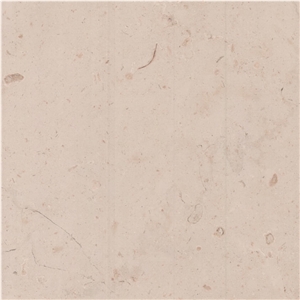
Porous and fine-grained, typical of biocalcarenite; Yellowish beige to pale pink color; Subtle, soft patterns with occasional cloudy or linear textures

Description

New Niwala Limestone is a popular natural stone known for its porous and fine-grained texture. It is typically categorized as biocalcarenite, a stone formed primarily from the accumulated debris of marine organisms. This limestone is quarried in the region of Albacete, Castile-La Mancha, Spain. It is admired for its aesthetic appeal, displaying a yellowish beige to pale pink color with subtle, soft patterns and occasional cloudy or linear textures.

Physical and Mechanical Properties

  • Water Absorption: 2.2%
  • Density: 2380 Kg/m³
  • Flexural Strength: 91.29 Kg/cm²
  • Compressive Strength: 537.64 Kg/cm²
  • Hardness: Medium; suitable for most interior applications but may require sealing for certain uses depending on the traffic and usage scenario.
  • Porosity: Moderate, contributing to its water absorption rate and making it essential to seal when used in moisture-prone areas.
  • Slip Resistance: Relatively low, thus surfaces may require treatment or texturing to improve safety in high-moisture environments.

Chemical and Mineral Composition (% by Weight)

  • Calcium Carbonate (CaCO₃): Predominant component, typical of most limestone.
  • Secondary Minerals: May include small amounts of quartz (SiO₂), clay minerals, and other trace components which contribute to its color variations.
  • Chemical Stability: Generally good, but like all limestones, it is susceptible to acid reactions due to its calcium carbonate content.

Uses

  • Interior Flooring & Walls: Ideal for both residential and commercial applications due to its aesthetic appeal.
  • Exterior Cladding and Facades: Suitable with appropriate treatment for weather protection.
  • Countertops and Vanities: Offers a unique look but requires regular sealing to prevent staining.
  • Staircases and Elevation Paving: Optimal for elegant designs where moderate slip resistance is acceptable.
  • Decorative Features: Often used for sculptures and garden ornaments.

Maintenance

  • Regular Cleaning: Use pH-neutral cleaners to prevent damaging the stone. Avoid acidic or abrasive cleaners.
  • Sealing: Essential due to its porosity; sealant should be reapplied periodically depending on use.
  • Polishing: Maintains the aesthetic by enhancing color and patterns, though some finishes may not require regular polishing.

Common Surface Finishes

  • Polished: Gives a glossy, reflective surface enhancing the stone's color. Best for interior floors and cladding.
  • Honed: Offers a smooth, less glossy, matte finish suitable for areas where anti-slip properties are less of a concern.
  • Bush-Hammered: Provides a textured finish that improves slip resistance, ideal for exterior pavings.
  • Tumbled: Gives an aged appearance, suitable for a rustic or antique look.

In conclusion, New Niwala Limestone combines aesthetic appeal with functional attributes, making it a versatile choice for various applications. Proper maintenance and selection of the right finish can enhance its usability and longevity in both interior and exterior environments.

FAQ

Can Spain's New Niwala Sandstone be used in landscaping?

Yes, Spains New Niwala Sandstone can definitely be used in landscaping. It is a type of natural stone that is known for its attractive beige color and elegant appearance. The sandstone can be used for various landscaping projects such as constructing pathways, terraces, walls, and even for creating decorative features like fountains or sculptures. Its durability, versatility, and aesthetic appeal make it a popular choice for landscaping design.

Can Spain's New Niwala Sandstone be used in a kitchen?

Yes, Spains new Niwala Sandstone can be used in a kitchen. Sandstone is a durable and versatile natural stone that is commonly used for countertops, flooring, and other kitchen surfaces. It is known for its strength and resistance to heat, making it a suitable choice for kitchen applications. However, it is important to properly seal and maintain the stone to ensure its longevity and prevent staining.

Can Spain's New Niwala Sandstone be used exterior applications in very humid climates?

Yes, Spains New Niwala Sandstone can be used in exterior applications in very humid climates. This sandstone is known for its high durability and resistance to weathering, making it suitable for various climate conditions, including humid environments. However, it is always recommended to properly seal and maintain the stone to ensure its longevity and prevent any potential issues such as moisture absorption or discoloration. Consulting with a professional and following appropriate sealing and maintenance protocols is advisable for optimal performance in any specific environment.

How thick is Spain's New Niwala Sandstone slabs?

The thickness of Spains New Niwala Sandstone slabs can vary depending on the specific manufacturer and customer requirements. However, commonly used thicknesses for these slabs range from about 2 cm (0.79 inches) to 3 cm (1.18 inches).

What is the coefficient of friction of Pickled Spain's New Niwala Sandstone tiles?

I cannot browse the internet or access real-time information. Consequently, I do not have access to the specific information and characteristics of Pickled Spains New Niwala Sandstone tiles. The coefficient of friction for any specific material, such as sandstone tiles, can vary based on factors such as surface texture, finish, and the presence of sealants. To determine the coefficient of friction for these tiles, it is advisable to consult the manufacturers specifications, contact the manufacturer directly, or refer to independent testing and certification organizations that may have evaluated and provided friction coefficient ratings for the specific product.

Are there color variations of Spain's New Niwala Sandstone?

I do not have access to current catalogs or sales brochures of stone suppliers regarding Spains New Niwala Sandstone. However, it is worth noting that some natural stones have color variations due to the presence of different minerals, impurities, and geological conditions during their formation. Moreover, quarries can extract stone blocks from different parts of the same deposit, and these blocks may display slight variations in color, texture, or vein patterns. Therefore, it is possible that Spains New Niwala Sandstone can have some color variations depending on the specific quarry and extraction area. It is recommended to consult with stone suppliers or visit the quarry directly to assess the stones color range before purchasing it.

Is Spain's New Niwala Sandstone an expensive stone?

I do not have access to real-time market prices and trends. However, the pricing of Niwala Sandstone can vary depending on factors such as quality, quantity, location, and demand. It is recommended to consult a stone supplier or a market expert to get an accurate understanding of the current pricing of Niwala Sandstone in Spain.

Hot Beige Limestone

New Limestone

Post Your Request

The request includes:
  1. surface finished, size
  2. quantity required