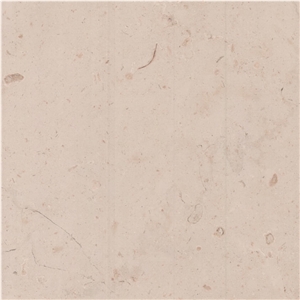
New Santenoy Limestone

About
Item Details
- Material Type:
- Limestone
- Origin:
Portugal (Codaçal, Serro Ventoso, Arrimal, Porto de Mos) - Primary Color(s):
- Beige
- Recommended Usage:
- planters, fountains, facade, urban street furnitures, building stone, ornamental stone, stairs, interior, exterior wall applications, mosaic, waterjet pattern, wall panels, table tops, balustrades, columns, wall and pool copings, pool pavers, fireplaces
- Additional Names:
- Crema Mos Limestone, Creme De Mos Limestone, Crema Do Mos Gf Limestone, Crema Do Mos Gm Limestone, Calcario Crema Do Mos Grao Fino, Calcario Crema Do Mos Grao Medio, Branco De Mós. Limestone, Calcario Crema Mos, Creme Do Mos Limestone, Creme Mos Limestone, Cream Mos Limestone, Santenoy Limestone, New Santenoy Limestone
- Finished Surface:
- Polished,Bush Hammered,Tumbled,Brushed,Honed,Split,Machine Cut,Natural Surface,Sandblasted,Combed,Leathered,Water Jet,Chiseled,Pickling
Testing
- Water Absorption:
- 2.34 %
- Density:
- 2515 kg/m³
- Flexural Strength:
- 19.22 MPa
- Compressive Strength:
- 85.03–90.91 MPa
- Stone texture:
- a fine-to medium grained, soft beige limestone
Description
New Santenoy Limestone is a fine-to-medium-grained, soft beige limestone known for its aesthetic appeal and versatility. Quarried in Portugal, specifically from regions such as Codaçal, Serro Ventoso, Arrimal, and Porto de Mos, its neutral color and refined texture make it a popular choice for various architectural and decorative applications.
Physical and Mechanical Properties
- Water Absorption: 2.34%
- Density: 2515 kg/m³
- Flexural Strength: 19.22 MPa
- Compressive Strength: 85.03–90.91 MPa
- Hardness: Generally, limestone has a Mohs hardness of about 3. Specific hardness for New Santenoy may vary slightly.
- Porosity: Limestone is typically quite porous, though specific porosity for New Santenoy needs characterization.
- Slip Resistance: Slip resistance will vary depending on the finish applied. Polished surfaces will be less slip-resistant compared to honed or textured finishes.
Chemical and Mineral Composition
- Calcium Carbonate (CaCO₃): Dominant in limestone, typically over 95% by weight.
- Magnesium Carbonates (MgCO₃): Present in smaller amounts.
- Silica (SiO₂): Trace amounts may be present.
- Iron Oxides (Fe₂O₃) and Aluminum Oxides (Al₂O₃): Can contribute to color variations and may be present in trace amounts.
Usage
- Interior Applications: Flooring, wall cladding, staircases, and countertops due to its soft, pleasing color.
- Exterior Applications: Facades, paving, and other decorative features, although it requires a proper sealant to withstand weathering.
- Landscaping: Suitable for garden paths, decorative boulders, and other outdoor features.
Maintenance
- Regular Cleaning: Use a gentle, pH-neutral detergent to maintain its appearance.
- Sealing: Recommended to reduce porosity and enhance longevity, especially for outdoor installations.
- Avoid Acidic Cleaners: These can etch and damage the limestone surface.
Cutting Sizes
Standard tile sizes can vary greatly, with common formats including:
- 30x30 cm
- 40x40 cm
- 60x30 cm
- Custom sizes can be fabricated based on project requirements.
Surface Finish Options
- Polished: Offers a high-gloss, reflective surface but is less slip-resistant.
- Honed: Smooth with a matte finish, providing a balance between aesthetics and functionality.
- Brushed: Adds texture to the surface, increasing slip resistance.
- Tumbled: Creates a rustic, aged appearance, useful for both indoor and outdoor settings.
This comprehensive profile of New Santenoy Limestone showcases its versatile nature and suitability for various architectural needs, while also emphasizing the importance of proper maintenance to ensure its longevity and performance.
FAQ
Yes, Portugals New Santenoy Limestone can be used in landscaping. Limestone is a popular choice for landscaping projects due to its durability, natural beauty, and versatility. It is often used for various applications in landscaping, such as paving, patios, pathways, retaining walls, garden borders, and decorative features. The unique characteristics of Portugals New Santenoy Limestone, such as its color variation, texture, and strength, make it suitable for a range of landscape designs and styles.
What is the coefficient of friction of Water Jet Cut Portugal's New Santenoy Limestone tiles?
There is no specific information available regarding the coefficient of friction for Water Jet Cut Portugals New Santenoy Limestone tiles. The coefficient of friction can vary depending on factors such as the surface finish, the presence of any coatings or sealants, and the specific testing conditions. It is recommended to contact Water Jet Cut Portugal or refer to the product specifications provided by the manufacturer for accurate and up-to-date information.
Can Portugal's New Santenoy Limestone be used exterior applications in very rainy climates?
Portugals New Santenoy Limestone can be used in exterior applications in rainy climates, but it may require additional protective measures to ensure its durability and longevity. Limestone is a porous material, and constant exposure to moisture can result in issues such as staining, weathering, and deterioration.
To use the New Santenoy Limestone in very rainy climates, it is recommended to apply a high-quality sealer or waterproofing agent to the stone. This will help to reduce water absorption and prevent damage caused by moisture penetration. Regular re-sealing may be necessary, depending on the severity of the climate and the stones exposure to rainfall.
Additionally, proper installation techniques should be followed to ensure the stone is properly sealed, joints are well-maintained, and any potential drainage issues are addressed.
Its important to note that even with these precautions, excessive exposure to moisture and harsh weather conditions may still affect the limestone over time. Regular cleaning and maintenance will be necessary to keep the surface in good condition and prevent the growth of mold or algae.
Consulting with a professional stone supplier or installer is highly recommended before using New Santenoy Limestone in exterior applications in very rainy climates to ensure proper installation and care.
What grade is Portugal's New Santenoy Limestone?
Portugals New Santenoy Limestone does not have a specific grade. The quality of limestone is determined by various factors such as color, pattern, durability, and suitability for specific applications. Each supplier or manufacturer may have different classifications or grades for their limestone products based on these factors.
Can Portugal's New Santenoy Limestone be used in a bathroom?
Yes, Portugals New Santenoy Limestone can be used in a bathroom. Limestone is a natural stone that is often used in bathrooms due to its durability and beauty. It can be used for flooring, wall cladding, showers, countertops, and other bathroom applications. However, it is important to note that limestone is porous, so it should be properly sealed to protect it from moisture and staining in a bathroom environment. Regular maintenance and cleaning will also help to maintain the stones appearance and longevity.
Are there color variations of Portugal's New Santenoy Limestone?
Yes, there are color variations of Portugals New Santenoy Limestone. The limestone itself comes in a creamy white color with subtle beige tones. However, it can also display some variations with light gray or yellowish hues, giving it a more unique and diverse appearance. The specific color variations may depend on the specific quarry from which the stone is sourced.
Is Portugal's New Santenoy Limestone an expensive stone?
I dont have access to the current market prices for the Santenoy Limestone. However, natural stones can vary greatly in price depending on the quality, availability, cut, size, and demand. Its best to check with a reputable supplier or stonemason for current prices.