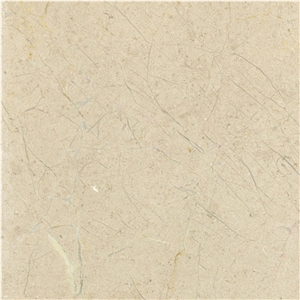
Ondagata Scuro Marble

About
Item Details
- Material Type:
- Marble
- Origin:
Italy (Apricena, Provincia di Foggia, Puglia) - Primary Color(s):
- Beige
- Recommended Usage:
- Kitchen and bathroom countertops, wash basins, building stone, ornamental stone, stairs, interior, exterior wall and floor applications, mosaic, waterjet pattern, wall panels, table tops, balustrades, columns, wall and pool copings, pool pavers, sculptures, fireplaces
- Additional Names:
- Marmi Ondagata Scura, Pietra Apricena, Pietra di Apricena, Ondagata Scuro Limestone, Ondagata Dark Marble, Ondagata Scuro
- Finished Surface:
- Polished,Bush Hammered,Tumbled,Brushed,Honed,Split,Machine Cut,Natural Surface,Sandblasted,Combed,Leathered,Water Jet,Filled,Chiseled,Pickling
Testing
- Water Absorption:
- 0.03 By volume %
- Density:
- 2720 Kg/m³
- Flexural Strength:
- 14.4 - 18.1 MPa
- Compressive Strength:
- 148.6 - 175.1 MPa
- Stone texture:
- a classic Italian stone with a dark cream-beige base color, adorned with light speckles, small veins, darker spots, and fossil traces. Although Ondagata Scuro is usually referred to as marble in the natural stone market, considering its geological characteristics, it is actually limestone.
Description
Ondagata Scuro Marble Overview
Ondagata Scuro, commonly referred to as marble in the natural stone market, is actually a type of limestone. It is a classic Italian stone recognized for its dark cream-beige base color, adorned with light speckles, small veins, darker spots, and fossil traces. This stone is quarried in Apricena, Provincia di Foggia, Puglia, Italy.
Physical and Mechanical Properties:
- Water Absorption:0.03% by volume
- Density:2720 kg/m³
- Flexural Strength:14.4 - 18.1 MPa
- Compressive Strength:148.6 - 175.1 MPa
- Hardness:Typically in the medium range on the Mohs scale, similar to standard limestone/marble.
- Porosity:Low porosity, contributing to its density and reduced water absorption rate.
- Slip Resistance:Varies depending on the surface finish, but typically requires treatment or use in areas where slip resistance is crucial.
Chemical and Mineral Composition (% by weight):
- Calcium Carbonate (CaCO3):Predominantly over 90%
- Other Minerals:Small traces of magnesium carbonate and other impurities that influence its color and texture characteristics.
Uses:
-
Interior Applications:
-
Flooring, wall cladding, and countertops due to its aesthetic appeal and durability.
-
Exterior Applications:
-
Facade cladding and landscaping, although finishing and treatment may be necessary to improve weather resistance.
-
Decorative Use:
-
Used for decorative objects and sculptures, leveraging its ability to be polished to a high sheen.
Maintenance:
-
Regular Cleaning:
-
Use a mild pH-balanced cleaner to maintain appearance without damaging the surface.
-
Sealing:
-
Periodic sealing is advised to protect against staining, given its natural porosity.
-
Avoid Acidic Cleaners:
-
Lime-based stones can be sensitive to acids which can etch or dull the surface.
Cutting Sizes (cm):
- Standard tile sizes: 30x30, 30x60, 60x60
- Slab thicknesses typically range from 2 cm to 3 cm
- Custom sizes can be fabricated based on project specifications.
Common Surface Finish Options:
- Polished:High gloss finish that enhances color and visibility of patterns.
- Honed:Smooth with a matte or satin appearance, providing an elegant surface that is less reflective.
- Brushed:Textured finish for a more rustic look, which can also increase slip resistance.
- Sandblasted:Rough texture created by blasting sand at high pressure onto the stone's surface.
- Antiqued:Designed to give a weathered, aged appearance.
This versatile stone is sought after for its visual appeal in various architectural and decorative applications, embodying the elegance and enduring beauty typical of Italian natural stones.